Münster Focuses on Sustainable Mobility – Mobility Projects in January 2026 in the Spotlight
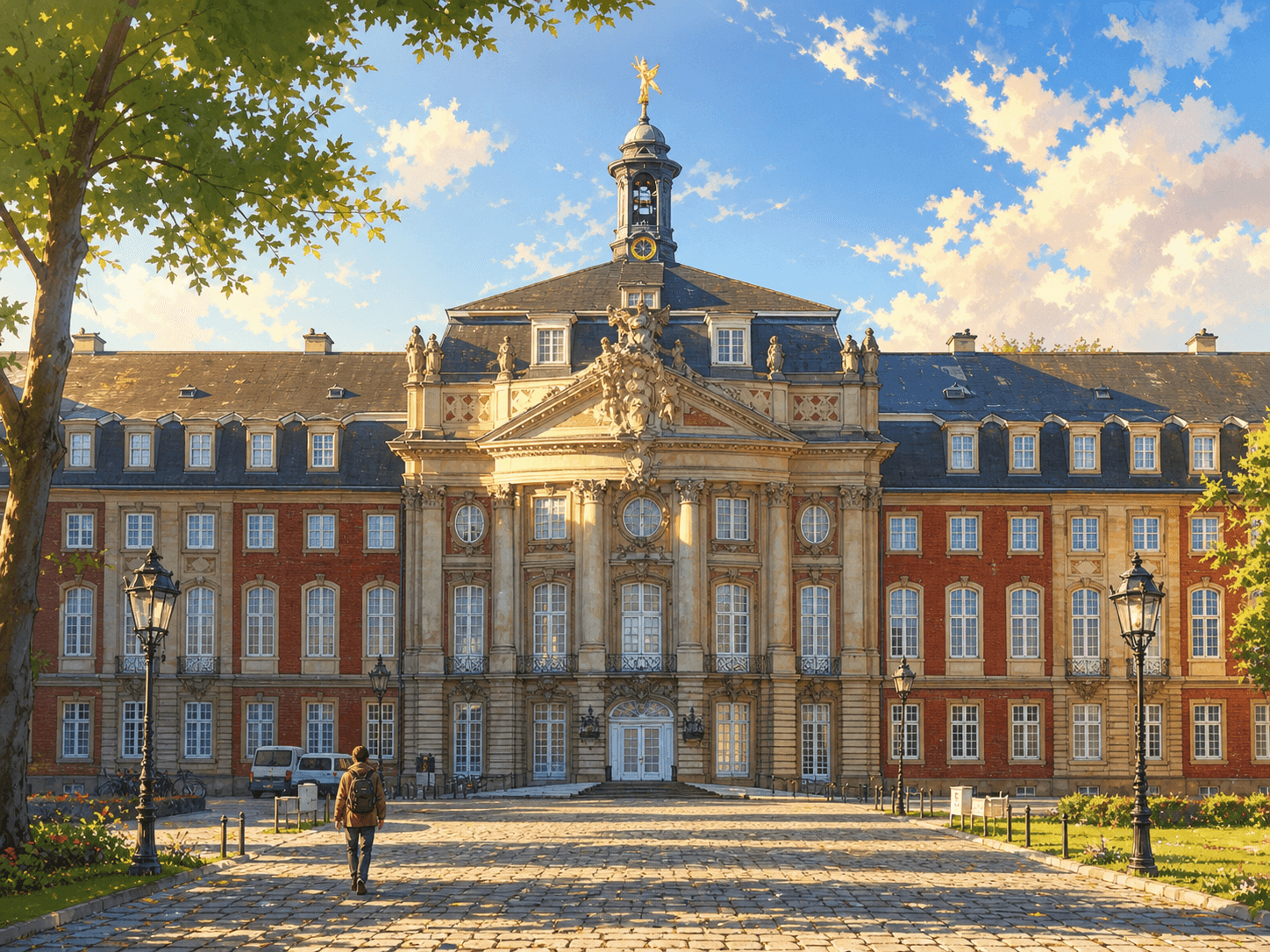
In January 2026, Münster made significant strides in its transport policy. By implementing bicycle streets, resident parking zones, and barrier-free traffic areas, the city is clearly charting a course toward climate-friendly and inclusive mobility. The blog provides insight into the most important projects and decisions.
Münster Focuses on Sustainable Mobility – Mobility Projects in January 2026 in the Spotlight
Münster has established itself over the past few years as a pioneer in sustainable mobility. In January 2026, the city introduced further decisive measures to guide traffic into the future. Numerous projects were prepared, approved, and partially implemented in recent weeks – from the canal promenade to the Martiniviertel district. The focus was on strengthening bicycle traffic, creating barrier-free traffic areas, and reducing car traffic in inner-city districts.
Aegidiistraße as a Bicycle Street – A Milestone in Bicycle Traffic Policy
The designation of Aegidiistraße as a basic bicycle street in the summer of 2026 marks a milestone in Münster's bicycle traffic policy. With a speed limit of 30 km/h and comprehensive infrastructure for cyclists – including bike parking racks, dooring zones, and new signs – the street becomes significantly safer and more attractive.
The administration plans two phases: initially a temporary upgrade, followed by a long-term transformation into a Plus bicycle street by 2030. The street, used daily by about 7,000 cyclists, is a central element of the inner-city cycling network. The measures are also part of the renovation of underground utilities, which reduces the overall project effort.
Resident Parking Zones: A Step Toward Relief for the City Center
Resident parking zones based on a mixed principle have been introduced in the districts of Erpho and Pluggendorf. Non-residents may park for only two hours, while residents can park without time restrictions. These measures aim to reduce parking pressure in the city center while at the same time protecting residential areas.
Funding is provided by Product Group 1201 in the budget plan. The costs for signage and flyers amount to approximately €7,000 (Erpho) and €4,400 (Pluggendorf). Implementation is planned for the second and fourth quarters of 2026. Revenue from resident parking permit fees is planned to start in 2027.
Accessibility and Inclusion – A Central Component of Transport Policy
Inclusion and accessibility were central to several projects. For example, barrier-free sidewalks, tactile guidance elements, and unmarked disability parking spaces were installed in the Martiniviertel district. In Wolbeck, the bus stop "Wolbeck Ehrenmal" was also made barrier-free at a cost of €245,000, which was fully financed by grants.
These measures reflect Münster's long-term commitment to creating an inclusive and barrier-free transport infrastructure – a requirement also enshrined in the North Rhine-Westphalia Building Code.
Nature Conservation and Climate – Lighting of the Canal Promenade
The lighting of the canal promenade has been adjusted to take both the safety of cyclists and nature conservation into account. The lighting is now on from 5 a.m. until sunrise and from sunset until midnight. Between midnight and 5 a.m., it is switched off to protect bats and bird conservation areas.
These adjustments are part of a resilience strategy that Münster is pursuing in the areas of climate protection and ecological stability. Funding is already included in the draft budget for 2026/2027, and the administration reserves the right to adjust the switching times if new findings emerge.
Outlook: Münster as a Model for Sustainable Mobility
With the measures taken in January 2026, Münster has once again demonstrated that sustainable mobility is both feasible and financially viable. The city combines environmental protection with the improvement of residents' quality of life – through cycling, barrier-free paths, smart parking planning, and climate-friendly design.
The coming months will show how these projects perform in practice. But one thing is already clear: Münster remains on course – away from the car and toward a sustainable, inclusive, and climate-friendly mobility system.
NeoSearch analyses public council documents, committee minutes and municipal announcements. Source references appear automatically once verified meeting data is available.
What does this mean for businesses?
Municipal council decisions are early indicators: following the council agenda surfaces projects and tenders months before the official award — before they ever reach the procurement portals.
Track similar decisions in your region
Set up monitoring for kommunale Projekte in Nordrhein-Westfalen — prefilled from this article.
Set up monitoring →More signals from Munster
Culture and Community in Münster: Theater and Historical Preservation in Focus
In April 2026, important decisions and developments in the field of culture and community were at the center of attention in Münster. The Cultural Committee intensely addressed the future of Theater Münster and the expansion of the expert advisory board for the historical site Villa ten Hompel.
Read more → Münster's Youth Policy in April 2026: Leisure Spots, Demonstrations, and Future Visions
In April 2026, youth policy topics such as leisure meeting points, demonstrations, and collaborations with political parties were at the center of the Youth Council's focus in Münster. This deep dive reveals which decisions were made and what challenges remain.
Read more → Münster Invests in Resuscitation and Care: Where State, Technology, and Society Must Collaborate
In April 2026, Münster will discuss key measures to strengthen the resuscitation chain and care provision. The goal is to increase survival rates in cases of cardiac arrest while securing the care infrastructure for the future.
Read more →