Münster's Urban Development 2026 – An Analysis of the March Meetings
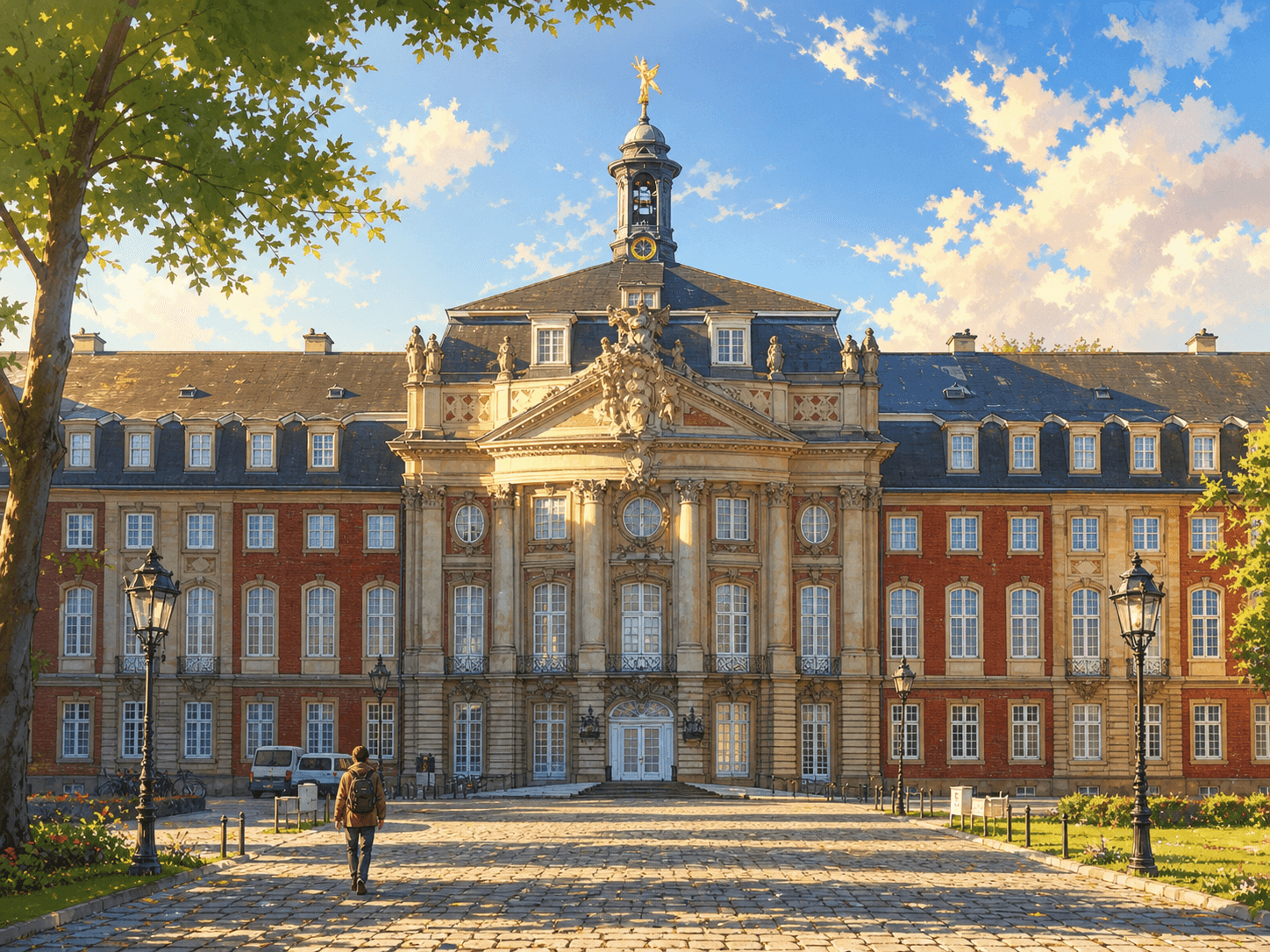
In March 2026, Münster focused on comprehensive changes in urban development, construction planning, and neighborhood development. The emphasis was on participation, climate protection, and social cohesion. This blog analyzes the most important decisions and their significance for the city's future.
Future-Ready City Centers: Münster's March Decisions in Focus
Urban development is a central component for Münster's future viability. In March 2026, decisions were made that will not only change the cityscape but also have a lasting impact on the city's social and ecological quality. The key areas of focus were participatory planning, climate protection measures, and the creation of vibrant neighborhoods. Here is an overview of the most important topics.
1. The Apostelgarten: A Green Urban Space Reimagined
The redevelopment of the Apostelgarten is a prime example of participatory urban planning. With the involvement of church communities, associations, and local residents, a concept was developed that is not only barrier-free and green but also offers a wide range of uses. Planting islands with insect-friendly plants, seating areas, a fountain, and a historical connection to the Apostelkirchen area are intended to make the space lively and identity-forming.
Financially, the project is supported by federal and state programs, particularly the North Rhine-Westphalia program "Zukunftsgerechte Innenstadt-Plätze" (Future-Ready City Center Spaces) and the federal program "Zukunftsfähige Innenstädte und Zentren" (Future-Ready City Centers). Around 1.2 million euros are planned for the redevelopment by 2030. The planning is to be completed by summer 2027 in the HOAI performance phase 6, indicating concrete implementation.
The redevelopment also includes traffic-related adjustments: bicycle racks along the Neubrückenstraße, the conversion of car parking spaces into recreational areas with permeable ground surfaces, and the provision of delivery zones. These measures emphasize the focus on climate protection and sustainability.
2. Commercial and Sports Facilities: Planning in Harmony with the Environment
In the area of land use and zoning, two significant changes were decided. The 143rd amendment to the land use plan concerns the sports facility in the Wienburgstraße. The new zoning plan No. 658 enables the creation of a modern sports facility with artificial turf, multi-purpose fields, boule lanes, a daycare center, and sanitary facilities. Legal certainty is particularly important here, as case law from the OVG NRW (Higher Administrative Court of North Rhine-Westphalia) requires that such areas are clearly defined and secured in planning terms.
Another focus was the industrial area Gremmendorf-West. With the 85th amendment to the land use plan, land for commercial and industrial use is being created. Infrastructure measures via the Heumannsweg and climate-relevant elements such as green roofs, photovoltaics, and water-sensitive planning are central. However, there is also a need for compensation for forest areas, highlighting the city's responsibility in land-use policy.
3. Neighborhood Development and Social Inclusion
The adjustment of the neighborhood concept in Handorf shows how Münster is responding to the housing shortage. The construction site 7 will be divided into 12 owner-occupied apartments and 9 rental apartments. The goal is a housing mix that strengthens social and economic diversity. A shared underground garage and the primary marketing to self-users should promote sustainability and social integration.
Another project is the construction of a new beach volleyball hall, which secures the national volleyball support center in Münster. This shows that sport and leisure are not forgotten in urban development – they are central to the city's quality of life and identity.
4. Legal and Administrative Challenges
Alongside the positive developments, there are also legal and administrative challenges. The repeal of the zoning plan Hiltrup No. 13 is part of an expansion of a sewage treatment plant in the peripheral area. Although this project is considered privileged, it requires public participation and a solid legal basis. The final decision is scheduled for March 25, 2026, in the Council.
In addition, the Sunday trading ordinance for the Hiltruper Frühlingfest was approved. The three planned opening days are intended to revitalize the town center and strengthen trade. The successes of 2025 – with around 30,000 visitors at the festival and 3,500 at the store openings – show that such initiatives work when well planned and coordinated.
Outlook: What's Next for Urban Development?
The March decisions show that Münster is on the right track: participation, climate protection, and social inclusion are not empty slogans but shape concrete planning. At the same time, challenges such as land requirements, legal certainty, and financing remain. The coming months will show whether the plans are implemented in reality – and whether Münster can indeed become a model for sustainable urban development.
NeoSearch analyses public council documents, committee minutes and municipal announcements. Source references appear automatically once verified meeting data is available.
What does this mean for businesses?
Municipal council decisions are early indicators: following the council agenda surfaces projects and tenders months before the official award — before they ever reach the procurement portals.
Track similar decisions in your region
Set up monitoring for Finance and Budget in Nordrhein-Westfalen — prefilled from this article.
Set up monitoring →More signals from Munster
Culture and Community in Münster: Theater and Historical Preservation in Focus
In April 2026, important decisions and developments in the field of culture and community were at the center of attention in Münster. The Cultural Committee intensely addressed the future of Theater Münster and the expansion of the expert advisory board for the historical site Villa ten Hompel.
Read more → Münster's Youth Policy in April 2026: Leisure Spots, Demonstrations, and Future Visions
In April 2026, youth policy topics such as leisure meeting points, demonstrations, and collaborations with political parties were at the center of the Youth Council's focus in Münster. This deep dive reveals which decisions were made and what challenges remain.
Read more → Münster Invests in Resuscitation and Care: Where State, Technology, and Society Must Collaborate
In April 2026, Münster will discuss key measures to strengthen the resuscitation chain and care provision. The goal is to increase survival rates in cases of cardiac arrest while securing the care infrastructure for the future.
Read more →