Social Integration and Housing Policy in Münster: Challenges, Progress and Perspectives
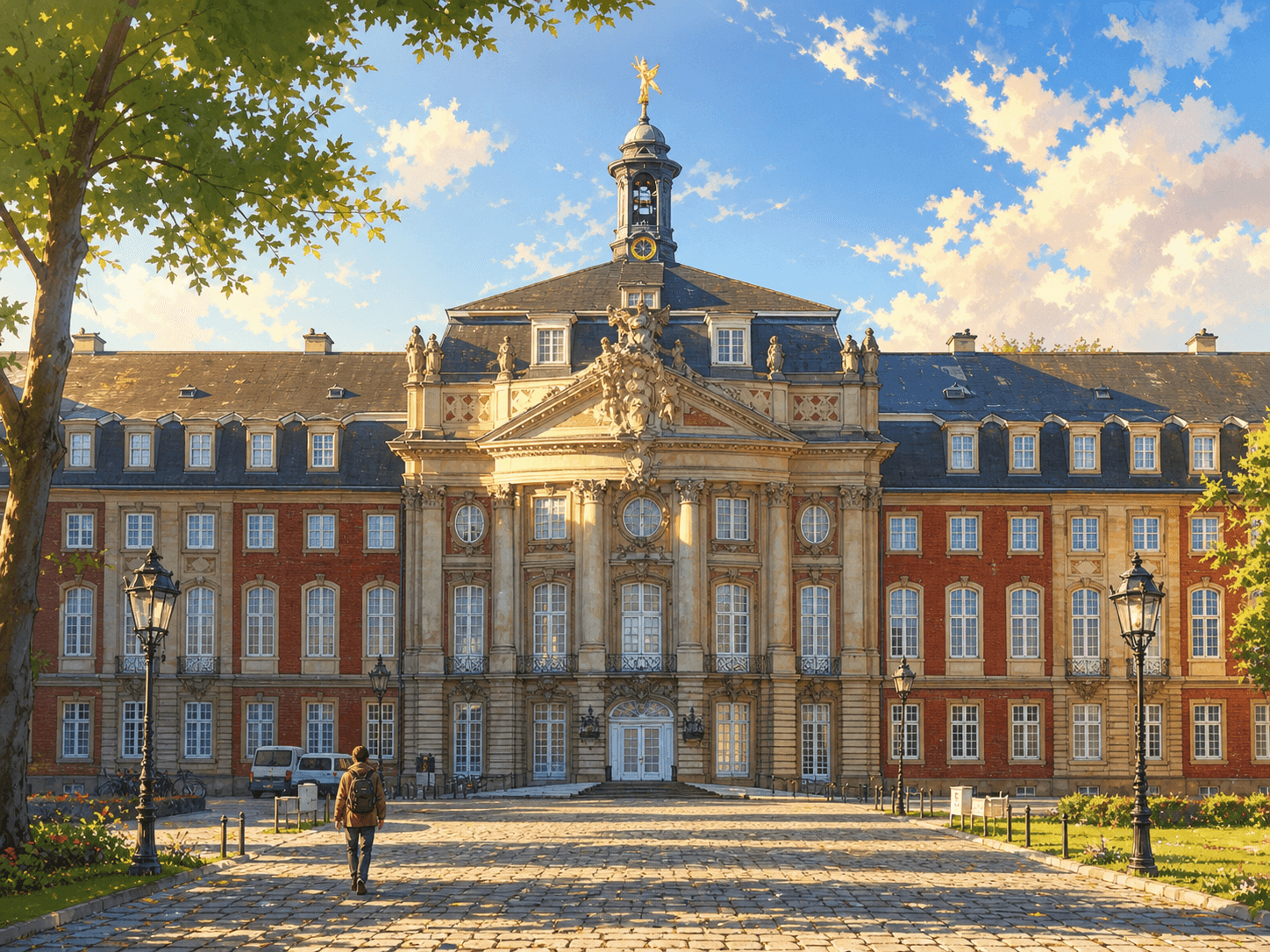
March 2026 was marked by intense debates and decisions in the areas of social policy, migration and housing in Münster. The focus was on the integration of newcomers, the promotion of social participation, and the adaptation to changed demographic and financial framework conditions. In this blog post, we analyze the most important developments, backgrounds and consequences.
Social Integration and Housing Policy: Münster in March 2026
Münster has taken decisive steps in social and housing policy in March 2026 to address the challenges of integration and social participation. With a population of 25 % with a migration background, the city is particularly challenged to strengthen integrative structures and reduce spatial segregation as well as access barriers. At the same time, the pressure to design the housing market in a socially acceptable way is growing, especially for households with a migration background.
Integration: Monitoring, Progress and Gender Gap
The Integration Monitoring Report 2024/2025 underlines progress in social and legal integration, with the focus in the next phase being on the effectiveness and implementation. In 2025, an integration result rate of 21.1 % was achieved, slightly above the target value of 19.9 %. However, the gender gap remained at 7.2 percentage points, below the target of 8.2 percentage points.
These figures show that integration is making progress, but is still not delivering balanced results in all areas of society. The discussion on the naturalization rate (4.17 % in Münster, significantly above the average for North Rhine-Westphalia) and the increasing number of international students (9 % at Münster University) show that Münster is seen as an attractive city for newcomers. At the same time, integration remains problematic in the areas of education, sport and the housing market, especially for families with several children.
Housing: Supply Rate, Household Structure and Spatial Segregation
Housing policy in Münster remains a central topic of discussion. The supply rate – the proportion of eligible households actually accommodated in subsidized housing – is at just under 20 %. Particularly affected are households with more than three people, where over 60 % of applicants have non-German nationality.
These figures show that the city of Münster urgently needs to create more subsidized housing, especially for larger households. The spatial segregation resulting from the settlement behavior of people with a migration background has a negative impact on social integration. The city has therefore issued recommendations to strengthen the funding of rental housing and to better align the distribution of eligible households with districts.
Labour Market: Integration Successes and Challenges
In the area of the labour market and employment, Münster has made significant progress in recent years. The 2026 Labour Market Programme is planned with a budget of 13.32 million euros – however, with a budget deficit of 845,040 euros. Funding mainly comes from federal funds, with the city having to provide up to 100,000 euros in the event of a surplus.
The number of trainees with non-German nationality is declining, indicating structural barriers in the transition from school to work. In addition, the unemployment rate among non-Germans is significantly higher at 14.6 % than the city average. At the same time, integration into the labour market is successful, with 19 people from the social labour market taken on in non-subsidized employment relationships.
Inclusion and Health: Projects and Suggestions for Improvement
In the area of health and inclusion, Münster is relying on targeted projects, which are usually approved by the advisory board. The inclusive swimming training, empowerment workshops and other programmes show how the city promotes social participation through sport and health.
Particularly noteworthy is the workshop series "Confident ME", which receives positive feedback but also criticism regarding the time limitations and the lack of inclusion of people with non-visible disabilities. The city has issued recommendations for differentiating the content and strengthening the participation of affected people.
Outlook: Integration and Sustainability in Focus
Münster has shown in March 2026 that integration and housing policy cannot be viewed in isolation. The challenges range from adapting to demographic changes and securing subsidized housing to strengthening social participation. The focus in the future will also be on creating structures that enable equality of opportunity and inclusion – not only for individuals, but for entire communities.
The reform of SGB II and the planned reform of SGB 2 also show that federal policy is increasing pressure on municipalities. Münster therefore not only needs to further develop existing structures in the coming years, but also to seek new ways in financing and cooperation – for example through stronger cooperation with neighboring municipalities within the framework of the cooperative K4K.
NeoSearch analyses public council documents, committee minutes and municipal announcements. Source references appear automatically once verified meeting data is available.
What does this mean for businesses?
Municipal council decisions are early indicators: following the council agenda surfaces projects and tenders months before the official award — before they ever reach the procurement portals.
Track similar decisions in your region
Set up monitoring for kommunale Projekte in Nordrhein-Westfalen — prefilled from this article.
Set up monitoring →More signals from Munster
Culture and Community in Münster: Theater and Historical Preservation in Focus
In April 2026, important decisions and developments in the field of culture and community were at the center of attention in Münster. The Cultural Committee intensely addressed the future of Theater Münster and the expansion of the expert advisory board for the historical site Villa ten Hompel.
Read more → Münster's Youth Policy in April 2026: Leisure Spots, Demonstrations, and Future Visions
In April 2026, youth policy topics such as leisure meeting points, demonstrations, and collaborations with political parties were at the center of the Youth Council's focus in Münster. This deep dive reveals which decisions were made and what challenges remain.
Read more → Münster Invests in Resuscitation and Care: Where State, Technology, and Society Must Collaborate
In April 2026, Münster will discuss key measures to strengthen the resuscitation chain and care provision. The goal is to increase survival rates in cases of cardiac arrest while securing the care infrastructure for the future.
Read more →