Youth Policy in Nuremberg: Focus on Playgrounds, Youth Centers, and Participation
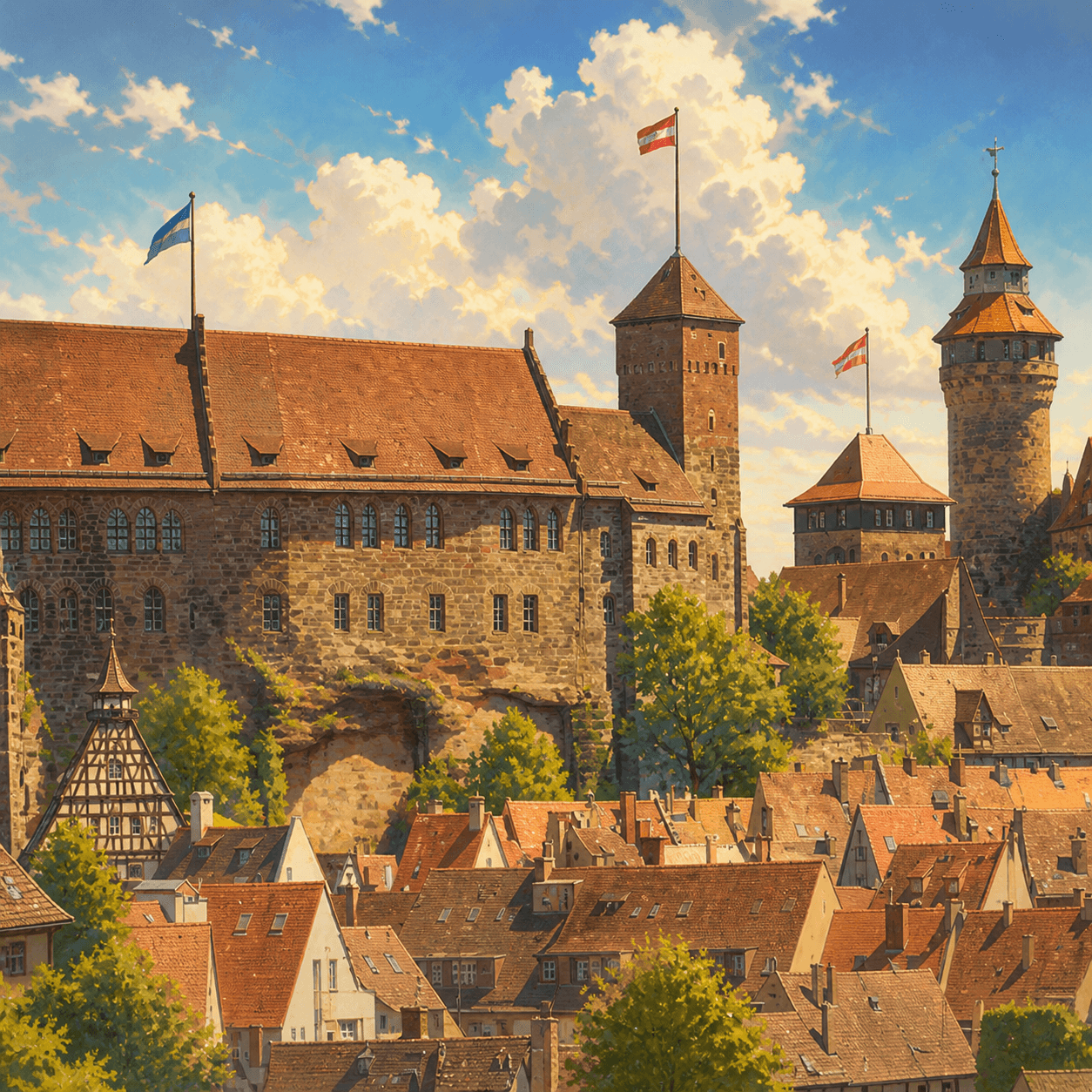
In February 2026, important decisions for the future of youth were on the agenda in Nuremberg. The Youth Welfare Committee addressed playground development, the future of the youth educational center Burg Hoheneck, and the strengthening of democratic youth work. An overview.
Youth Policy in Action: What Nuremberg is Planning for Young People
The city of Nuremberg is consistently committed to the interests of young people. In February 2026, several central topics of youth policy were at the center of attention in the Youth Welfare Committee. From the reorganization of playgrounds to the future of the youth educational center Burg Hoheneck and the strengthening of democratic youth work – the decisions have far-reaching consequences for the everyday lives of young people in Nuremberg.
Playground and Playyard Measures 2026–2029: A New Concept for Urban Use
During the Youth Welfare Committee meeting on February 26, 2026, a comprehensive plan was approved for the redesign, expansion, and construction of public play and sports areas. The administration of the Youth Office coordinates these measures in close cooperation with various city departments, such as the Service Operation for Public Space (SÖR), the Citizen Offices, and the Office for General Education Schools.
The total costs amount to 1,127,000 euros, of which 1,028,000 euros are capital expenditures and 99,000 euros are operating costs. The funds are already secured from the budget, and there are no effects on the staffing plan. Particularly noteworthy is the fact that the planning explicitly takes diversity into account and is aimed at all children and young people in their diversity.
Future of the Youth Educational Center Burg Hoheneck: Renovation and Further Development
The Burg Hoheneck, a central youth educational center in Nuremberg, has an urgent need for renovation due to structural and functional deficiencies. Therefore, the Youth Welfare Committee has decided to initiate planning for a comprehensive renovation and further development. The goal is to make the facility barrier-free, functional, and economically viable, so that it remains usable for young people with and without impairments in the future.
The feasibility study from 2024 suggests that basic renovations are necessary. In addition, the committee emphasizes that the use of public and private funding should be considered to reduce the financial burden on the city's budget. With this decision, a clear political commitment to youth education in Nuremberg is formulated.
Strengthening Democratic Youth Work: Inclusion and Awareness of Rights in Focus
Another central point of the meeting was the decision to strengthen democratic youth work. The aim is to enable young people in their diversity to participate in youth work without discrimination. Youth work should not only offer leisure activities but also promote democratic basic attitudes, awareness of rights, and a sense of self-efficacy.
The Youth Welfare Committee has also approved the paper "Nuremberg's Children's and Youth Work Shows Attitude," which is to serve as a binding orientation for both open and organized youth work. The principles emphasize that youth work is seen as essential infrastructure for the development of young people and makes an important contribution to the strengthening of democracy.
Personnel Changes: Diversity as a Central Value
To ensure a diverse and representative composition of the Youth Welfare Committee, personnel changes were decided. Flavio Gambato (Nuremberg Integration Council) and Matthias Becker (Office for Equal Opportunities) were appointed as advisory members, while Tamara Schönrock and Michelle Fowinkel-Sendlbeck moved into deputy roles. This new appointment underlines the city of Nuremberg's approach to actively promoting diversity in political bodies.
Outlook: Youth Policy as a Long-Term Investment
The decisions of the Youth Welfare Committee in February 2026 show that Nuremberg is investing in the long-term future of youth. With the redesign of playgrounds, the renovation of Burg Hoheneck, and the strengthening of democratic youth work, it becomes clear that young people are not only seen as a target group but as co-shapers of city society.
The next steps are now up to implementation. The administration will advance the planning, funding will be sought, and youth work will be strengthened with new principles. For the future of the city of Nuremberg, this is an investment in the future of its residents.
NeoSearch analyses public council documents, committee minutes and municipal announcements. Source references appear automatically once verified meeting data is available.
What does this mean for businesses?
Schools, daycare centres and public buildings create early planning and construction opportunities. Following council agendas surfaces tenders for refurbishment, new builds and fit-out months before the official award — from shell construction to specialist planning to furnishing.
Track similar decisions in your region
Set up monitoring for education & public facilities in Bayern — prefilled from this article.
Set up monitoring →More signals from Nuernberg
Youth Policy in Nuremberg: Outlook, Sustainability, and Digital Opportunities in April 2026
In April 2026, Nuremberg focused on key decisions and initiatives in youth policy. The Youth Welfare Committee reflected on the past council period, presented plans for the future, and promoted sustainability and digital opportunities in youth organizations.
Read more → Social Policy in Nuremberg: Focus on Violence Prevention and Senior Policy in April 2026
In April 2026, Nuremberg made significant progress in implementing the Istanbul Convention, gender equality work, and senior policy. The Social Committee discussed comprehensive measures to combat domestic violence and to enhance the quality of life for older people.
Read more → Governance and Administration in Nuremberg – April 2026 in Focus
In April 2026, Nuremberg focused on a range of decisions in the areas of governance and administration. From citizen initiatives to personnel and financial measures, to urban structural projects – the city is setting impulses for transparency, efficiency, and future viability.
Read more →