Urban Development in Nürnberg: March 2026 – Planning, Procedures and Impacts
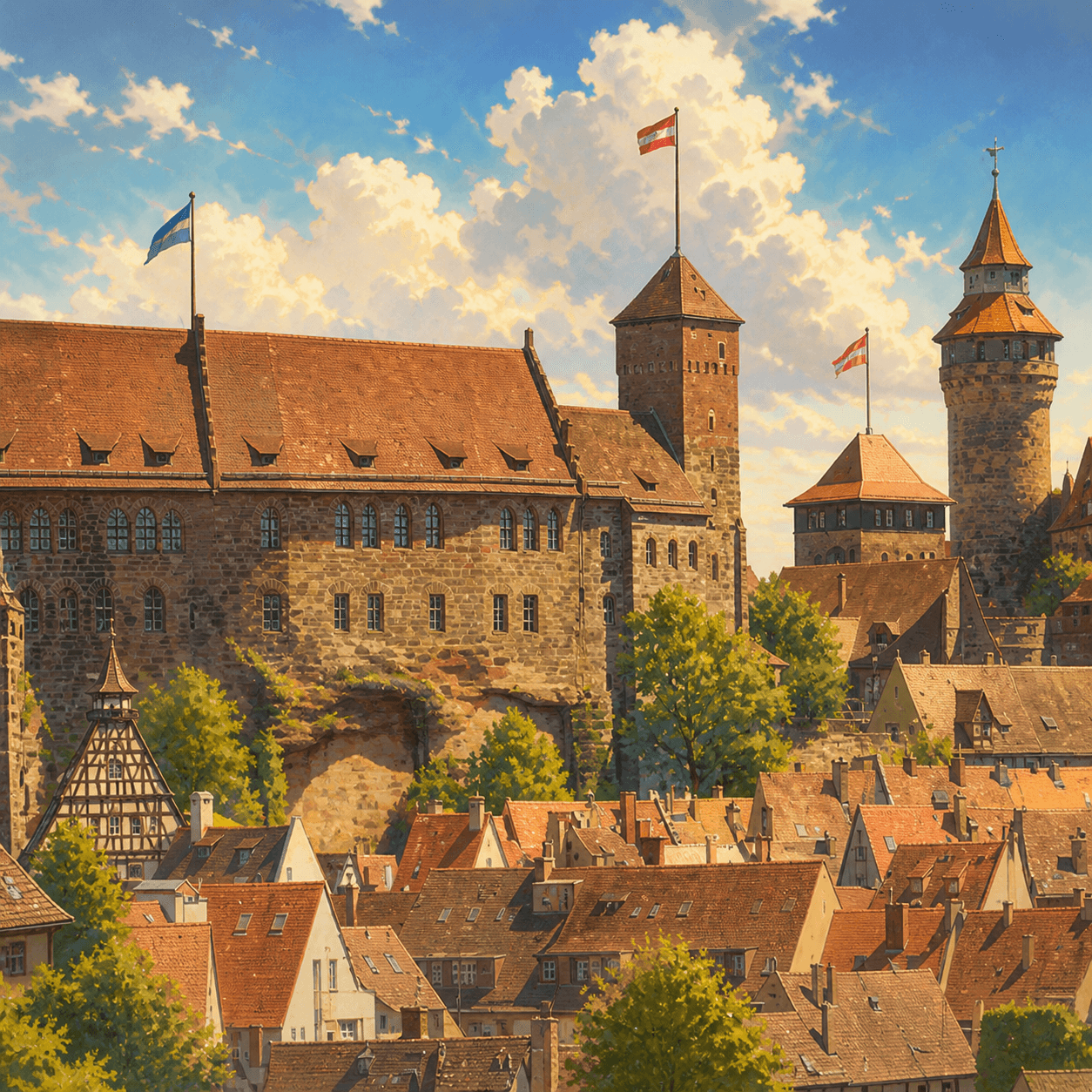
In March 2026, several central construction planning procedures were in focus in Nuremberg, which are significant for urban development and the housing market. In particular, the changes to building plan 4551 and the planning in the area of Virnsberger Straße showed how the city is responding to growing residential and commercial demands.
Urban Development in Nürnberg: March 2026
The city of Nuremberg dealt intensively with the future of its urban infrastructure in March 2026. Several committees discussed and decided on building plans, land use changes, and infrastructure projects. These developments not only reflect current planning practices but also the challenges of the housing market and energy policy.
Changes to Building Plan 4551: Großreuth h.d.V. West
In the district of Großreuth h.d.V. West, a change to building plan 4551 was approved, which aims to enable the use of several land parcels. The goal is to construct a pub and restaurant with outdoor dining in an area previously designated as a commercial zone (GE(e)). The change also foresees the consolidation of areas for ancillary buildings and lifts the designation to allow for more flexible use.
The city emphasizes that only non-disruptive uses for the adjacent residential areas should be permitted. To ensure green space, the planting of two trees and a hedge is planned, along with the maintenance of an existing hedge.
An urban development agreement is intended to secure the quality of the surrounding environment. The procedure was conducted on the basis of the draft plan of 17.02.2026 in an accelerated process under § 13a of the Building Code (BauGB), without the need for an environmental review. In addition, a four-week early public consultation was carried out to inform residents about the changes.
Land Use Plan Changes in the Area of Virnsberger Straße
In the area of Virnsberger Straße, both the land use plan and building plan 4544 were adjusted. The aim is to reorganize areas between commercial uses and large-scale retail. The change to the land use plan provides for the designation of a special area for retail, a commercial area, and a restricted commercial area. The special construction areas for retail are to be converted into commercial building areas.
The changes were carried out in an accelerated procedure, with the draft plan published online and publicly displayed. The City Planning Committee recommended the approval of the land use plan, and the City Council finally adopted the draft plan as the 31st amendment to the land use plan with an integrated landscape plan.
These measures are part of the long-term strategy to optimize commercial and retail areas in Nuremberg while ensuring urban quality.
Housing Market and Construction Projects
In addition to the urban planning changes, specific construction projects were also in focus. The renovation of the roof at Reutersbrunnenstraße 12 was approved to improve the building condition and increase energy efficiency. The measure costs around 2.6 million euros and was approved by the city within the framework of the Medium-Term Investment Plan (MIP).
Another project was the construction of a new fence around the Langwasser maintenance yard of Nuremberg's U-Bahn. The aim is to secure the operational process through a vandalism-resistant and monitored fence. The cost for this project amounts to around 2.4 million euros.
In addition, the supplementary object plan for the project "Learning and Meeting Place Zeppelinfeld and Zeppelintribüne" was approved. The costs for the project have increased to a total of 88.296 million euros, with the completion of the entire project now postponed to 2030. The delay is mainly due to the traffic planning and changes in the area of art in construction.
Outlook: Urban Development in Transition
The developments in March 2026 show how Nuremberg is responding to growing challenges – be it in the housing market, commercial planning, or securing urban infrastructure. The accelerated procedures and the stronger involvement of the public indicate a planning process that is becoming increasingly transparent and citizen-oriented.
In the coming months, it will primarily depend on how the approved measures are implemented and whether they actually contribute to sustainable and socially responsible urban development. The experiences with the special fund for energy poverty already show that investments in the area of energy efficiency can also yield long-term benefits.
NeoSearch analyses public council documents, committee minutes and municipal announcements. Source references appear automatically once verified meeting data is available.
What does this mean for businesses?
Municipal council decisions are early indicators: following the council agenda surfaces projects and tenders months before the official award — before they ever reach the procurement portals.
Track similar decisions in your region
Set up monitoring for kommunale Projekte in Bayern — prefilled from this article.
Set up monitoring →More signals from Nuernberg
Youth Policy in Nuremberg: Outlook, Sustainability, and Digital Opportunities in April 2026
In April 2026, Nuremberg focused on key decisions and initiatives in youth policy. The Youth Welfare Committee reflected on the past council period, presented plans for the future, and promoted sustainability and digital opportunities in youth organizations.
Read more → Social Policy in Nuremberg: Focus on Violence Prevention and Senior Policy in April 2026
In April 2026, Nuremberg made significant progress in implementing the Istanbul Convention, gender equality work, and senior policy. The Social Committee discussed comprehensive measures to combat domestic violence and to enhance the quality of life for older people.
Read more → Governance and Administration in Nuremberg – April 2026 in Focus
In April 2026, Nuremberg focused on a range of decisions in the areas of governance and administration. From citizen initiatives to personnel and financial measures, to urban structural projects – the city is setting impulses for transparency, efficiency, and future viability.
Read more →