Culture and Community in Nuremberg: March 2026 in Focus
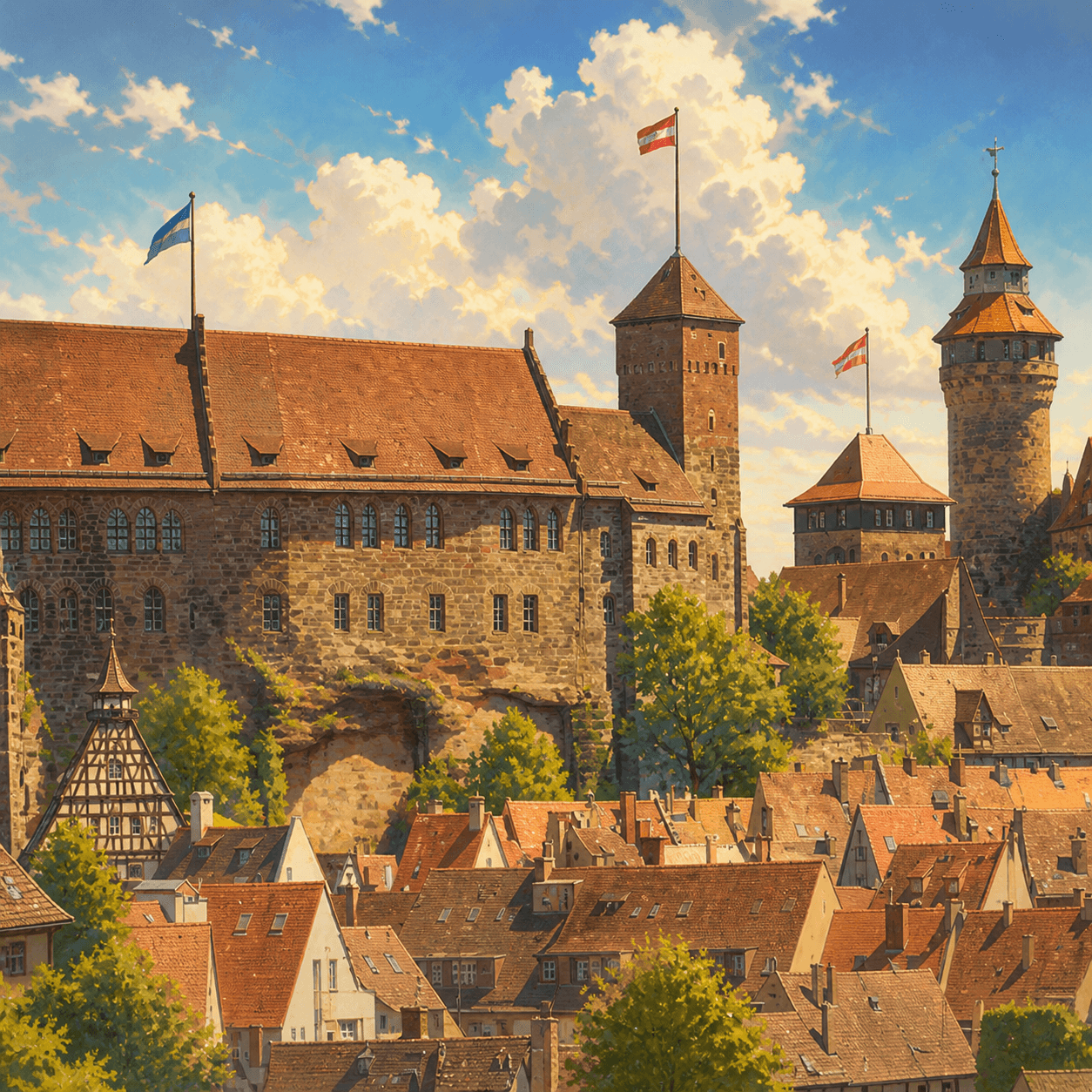
In March 2026, important decisions in the field of culture and community were at the center of attention in Nuremberg. The Culture Committee discussed subsidies, looted art, and the State Theatre. An overview of the key topics, backgrounds, and implications.
Cultural Policy in Motion: Nuremberg's Culture Committee in March 2026
Culture is not only part of Nuremberg's city history but also a central building block for social and economic development. In March 2026, the Culture Committee addressed a wide range of topics that will further shape the city's cultural landscape. From the allocation of funding to the discussion on looted art and current developments at the State Theatre – the debates reflected the diversity and challenges of cultural work in Bavaria's second-largest city.
Funding Cultural Projects: 112,000 Euros for 10 Applications
At the center of the March session was the allocation of funds from the budget item "Culture in the City." With a total of 112,000 euros, the city of Nuremberg supports ten cultural project applications recommended by an advisory committee on February 4, 2026. The funds are distributed among a wide range of organizations and artist groups, including the Galerie Bernsteinzimmer, the Kunstverein Kohlenhof Nürnberg, and the Katzwanger Kulturzentrum KaKuze.
The funding amounts range from 6,000 to 21,000 euros per project. These funds are crucial for the financial stability of many cultural actors who often rely on external support. The approval by the Culture Committee marks a milestone that underlines the city's diversity and commitment to cultural matters.
Dealing with Looted Art: A Sensitive and Necessary Debate
Another significant discussion topic was the handling of potential looted art in Nuremberg's museums. The question of how to deal with cultural objects from uncertain provenance is not new, but it has gained urgency in an increasingly sensitized social climate. As a historically significant city with a rich museum landscape, Nuremberg has a responsibility to act transparently and responsibly.
The session provided an opportunity to discuss the current inventory, provenance research, and possible restitution of such objects. International guidelines and ethical standards also played a role in the discussion. The sensitive debate showed that the city is aware of this responsibility and seeks a respectful approach to cultural heritage.
Nuremberg State Theatre: Between the Future and Tradition
Another highlight was the discussion on the Nuremberg State Theatre. The report from the Board of Trustees meeting on December 3, 2025, was revisited in March 2026. The verbal report presented current developments, including possible structural changes, new productions, and financial planning. The future of the State Theatre remains a central issue for Nuremberg's cultural identity.
The discussion on funding, artistic orientation, and the theatre's role in urban society is not always easy. Nevertheless, the State Theatre is an indispensable cultural cornerstone that can provide both artistic excellence and social integration. The decisions made by the Culture Committee and the Board of Trustees will therefore continue to be closely observed in the coming years.
Looking Ahead: Culture as a Link
March 2026 was a month in which the city of Nuremberg redefined its cultural identity. The support for creative projects, the engagement with the past, and the look into the future of the State Theatre show that culture here is not only the domain of museums and stages but a societal project as a whole.
The coming months will show whether these impulses can translate into a long-term strategy for cultural development. Nuremberg faces the task of not only preserving culture but actively shaping it – as a place of enthusiasm, debate, and community.
NeoSearch analyses public council documents, committee minutes and municipal announcements. Source references appear automatically once verified meeting data is available.
What does this mean for businesses?
Municipal council decisions are early indicators: following the council agenda surfaces projects and tenders months before the official award — before they ever reach the procurement portals.
Track similar decisions in your region
Set up monitoring for Culture and Community in Bayern — prefilled from this article.
Set up monitoring →More signals from Nuernberg
Youth Policy in Nuremberg: Outlook, Sustainability, and Digital Opportunities in April 2026
In April 2026, Nuremberg focused on key decisions and initiatives in youth policy. The Youth Welfare Committee reflected on the past council period, presented plans for the future, and promoted sustainability and digital opportunities in youth organizations.
Read more → Social Policy in Nuremberg: Focus on Violence Prevention and Senior Policy in April 2026
In April 2026, Nuremberg made significant progress in implementing the Istanbul Convention, gender equality work, and senior policy. The Social Committee discussed comprehensive measures to combat domestic violence and to enhance the quality of life for older people.
Read more → Governance and Administration in Nuremberg – April 2026 in Focus
In April 2026, Nuremberg focused on a range of decisions in the areas of governance and administration. From citizen initiatives to personnel and financial measures, to urban structural projects – the city is setting impulses for transparency, efficiency, and future viability.
Read more →