Urban Development and Construction: What's Happening in Saarbrücken in January 2026?
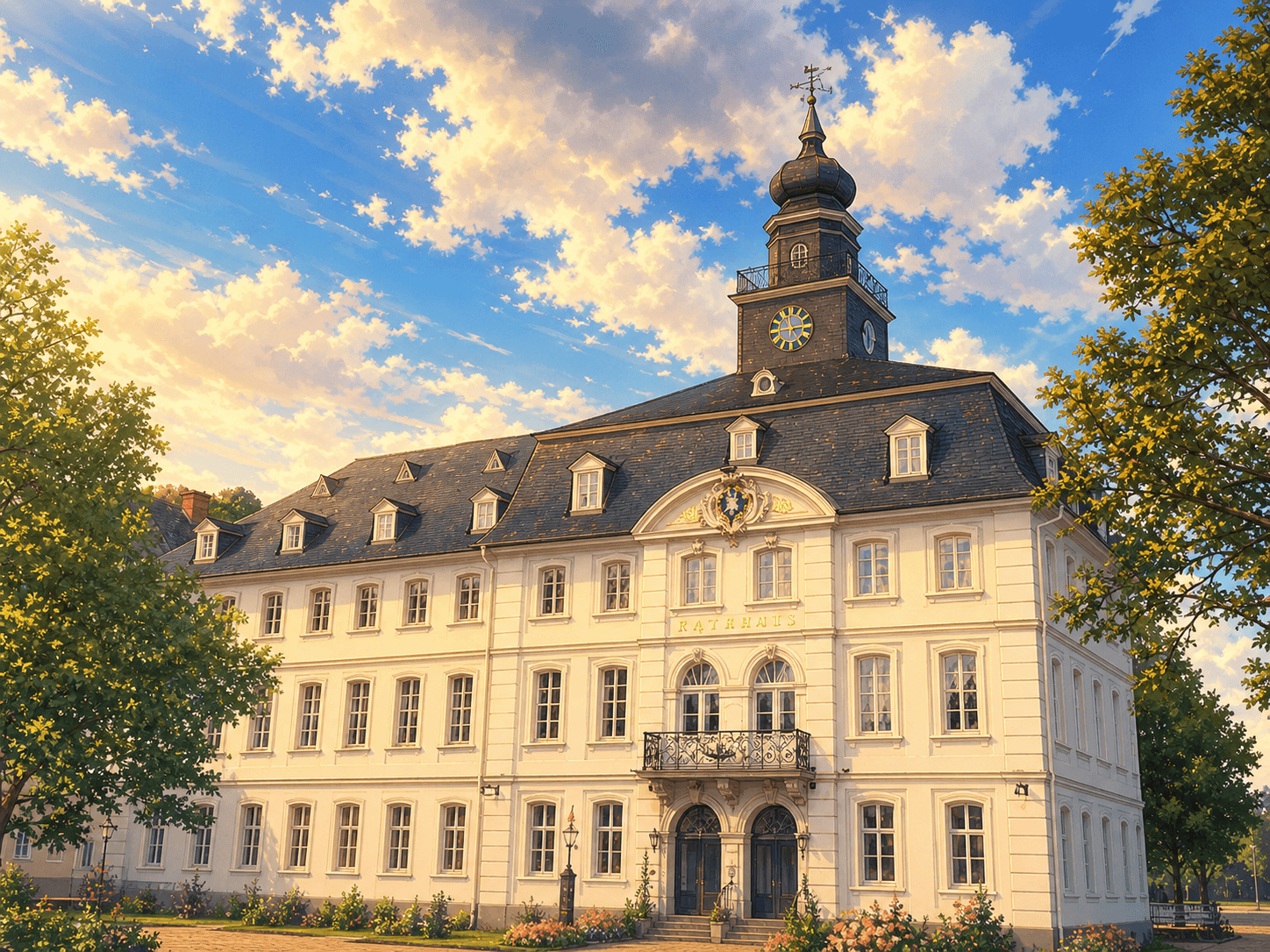
In January 2026, Saarbrücken is actively addressing topics of urban development and construction planning. From the renovation of historical buildings to modern traffic projects and urban planning – the state capital is demonstrating how it is shaping its future.
Urban Development and Construction: What's Happening in Saarbrücken in January 2026?
In January 2026, Saarbrücken focused on numerous decisions in the areas of urban development and construction planning. The state capital is acting on multiple levels: it is investing in the maintenance of historical buildings, planning environmentally friendly traffic projects, and implementing urban innovations to improve the quality of life for its citizens. Below, we highlight the most important developments and their background.
Maintenance Measures and Renovation Projects
The maintenance of municipal buildings and infrastructure was a central topic. In the Central district, extensive renovation measures for town halls, schools, and public buildings were decided. Particularly noteworthy is the renovation of the St. Johann Town Hall, where fire protection measures, window replacements, and façade restoration will be carried out. Overall, more than 5 million euros were planned for maintenance measures in the Central and West districts.
These projects are not only necessary to preserve the structural integrity but also to ensure safety and accessibility for all citizens. Furthermore, they contribute to the revitalization of the districts and signal that Saarbrücken is investing in its future.
The Wilhelm-Meyer Bridge: Connection and Enhancement
Another focus was the Wilhelm-Meyer Bridge in Malstatt. The project "Redesign of the Wilhelm-Meyer Bridge Head and Leipzig Square" was approved under the urban development program "Social Cohesion Malstatt." The goal is to optimize the connection between the lower and upper parts of Malstatt and to redesign the Leipzig Square as a central public space.
The measures include, among others, the creation of additional tree sites, the improvement of traffic safety through barrier-free crossings, and the expansion of street greenery. The installation of green islands, flowering meadows, and new trees not only enhances the quality of stay but also contributes to climate adaptation.
Funding is 2/3 from federal and state funds, and the city's contribution is 1/3. The total project costs amount to 1.2 million euros, with planning and construction starting in 2026.
Preservation Order: Urban Planning Security in St. Johann
In the district of St. Johann, a preservation order was approved for the area around the Brebacher Landstraße and Römerstadt. This measure aims to prevent contradictory building changes and to ensure urban order. The area covered is 11 hectares, and the preservation order is valid until February 12, 2028.
The legal basis for the preservation order is the Building Code (BauGB). It was discussed in several committees, including the Central District Council and the City Council. The measure has no direct financial impact on the city budget, but it is of central importance for the long-term planning of the district.
Traffic Improvements and Environmental Measures
In addition to the Wilhelm-Meyer Bridge, other traffic projects were approved, such as the implementation of a smart parking guidance system in the Luisenviertel and the inner city. Such a system can help reduce traffic and environmental pollution. In addition, a proposal for the installation of waste containers on Rheinstraße 122–128 was approved, which should contribute to improved cleanliness and citizen-friendliness.
In the West district, a project for school route safety on Blumenstraße Altenkessel was also approved, aiming to increase the safety of children on their way to school. Again, barrier-free and traffic-safe solutions were a priority.
Outlook: What's Next for Urban Development?
The decisions made in January 2026 show that Saarbrücken is consciously investing in its future. By combining maintenance, modernization, and innovation, the city is pursuing a sustainable and livable development. The projects approved this month are not only technically and financially challenging but also politically significant – they reflect the priorities of the city and its citizens.
In 2026, it will be crucial whether these projects are successfully implemented. The citizens of Saarbrücken can look forward to a continuing vibrant and future-oriented city – provided that planning and execution remain consistent and transparent.
NeoSearch analyses public council documents, committee minutes and municipal announcements. Source references appear automatically once verified meeting data is available.
What does this mean for businesses?
Town halls, fire stations, depots and administrative buildings create early construction and refurbishment opportunities. Following council agendas reveals projects before they go to tender.
Track similar decisions in your region
Set up monitoring for public buildings & administration in Saarland — prefilled from this article.
Set up monitoring →More signals from Saarbruecken
Sport in Saarbrücken: Highlights and Challenges in April 2026
In April 2026, Saarbrücken was the focus of several key sports policy decisions and projects. The Committee for Sports and Public Facilities addressed the preparation for the Special Olympics, the renovation of sports facilities, and the long-term security of the sports infrastructure. An overview.
Read more → Climate Protection in Saarbrücken: How the State Capital Advances the Energy Transition in April 2026
In April 2026, the state capital of Saarbrücken made numerous climate-related decisions and launched initiatives to achieve its climate protection goals. The focus was on municipal heat planning, the promotion of renewable energies, and the strengthening of the climate protection management. Here is an analysis of the most important developments.
Read more → Social Affairs in Saarbrücken: Focus on Migration, Integration, and Neighborhood Policy in April 2026
In April 2026, Saarbrücken saw important decisions and discussions in the field of social affairs, particularly on topics such as refugee accommodations, the advisory board for people with disabilities, and senior participation in Rastpfuhl. This blog analyzes the political priorities, backgrounds, and implications.
Read more →