Street Construction and Mobility Development in Dudweiler: Focus on Maintenance and Future-Oriented Planning
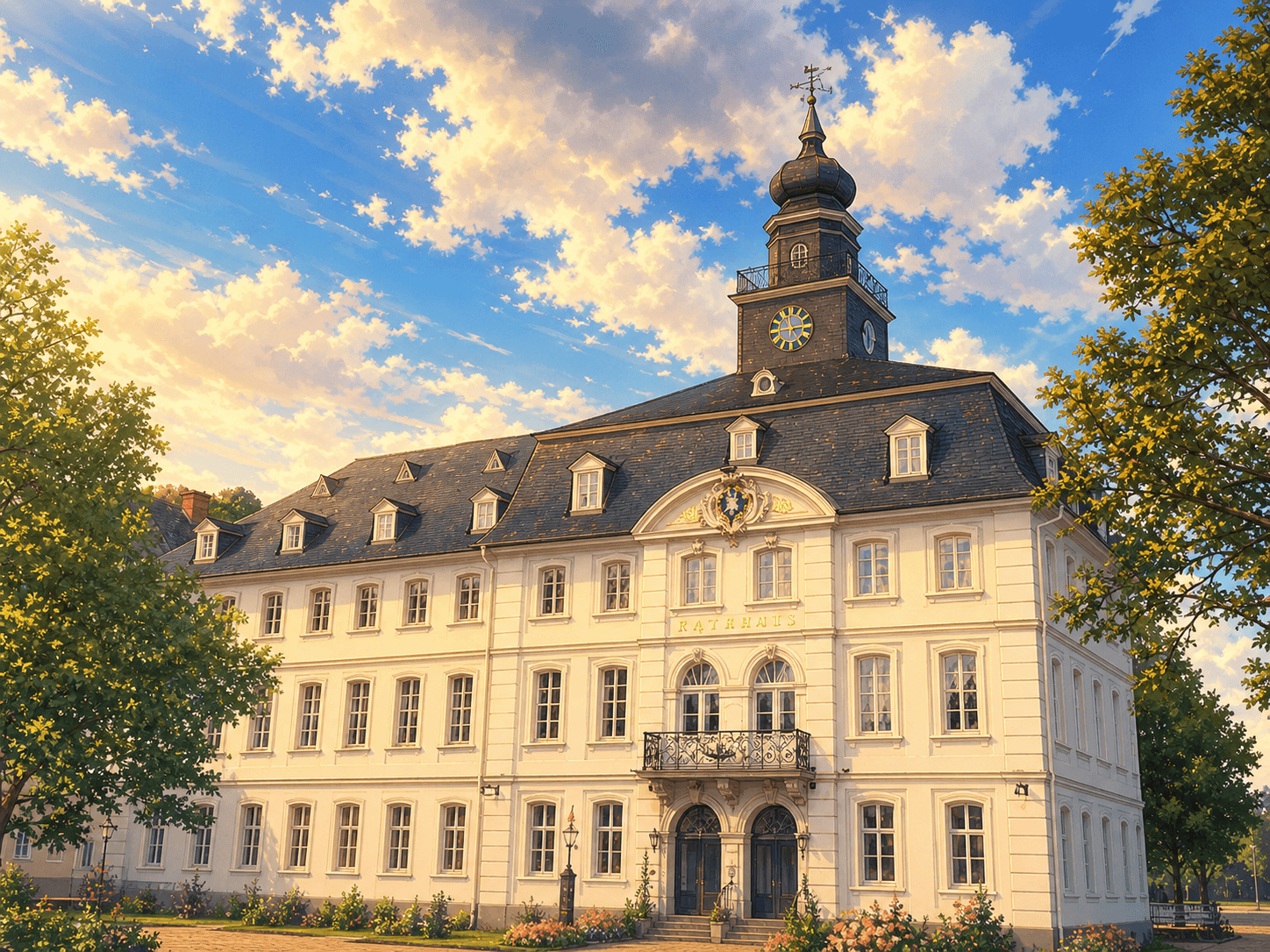
In March 2026, Dudweiler, a district of Saarbrücken, was the focus of comprehensive measures for the maintenance and further development of the traffic infrastructure. Numerous streets, paths, and squares were planned, maintained, or considered to improve mobility and meet future requirements.
Street Construction and Maintenance: A Focus on Durability and User-Friendliness
The maintenance of streets, paths, and squares is a crucial factor for safety, mobility, and quality of life in urban areas. In March 2026, Dudweiler was the focus of numerous measures for the maintenance and modernization of the traffic infrastructure. These works include resurfacing asphalt road surfaces, repairing sidewalks, implementing barrier-free access renovations, and planning future-oriented traffic projects.
Comprehensive Street Construction and Budget Planning
Saarbrücken has planned a total of 1,308,000 € for local roads and 157,000 € for federal and state roads for 2026. The investment budget also includes an additional 4,700,000 € for extraordinary maintenance. These funds are calculated based on the street lengths of the districts and are subject to approval by the State Office of Administration.
In the Dudweiler district, specific street sections have been selected for maintenance work. Examples include:
- Sudstraße (from house number 26 to Am Sandberg): Resurfacing of the asphalt road surface
- Jägersfreude (from Johannisbrücke to the stairs): Resurfacing and reconstruction of a pedestrian crossing
- Löbelstraße (from Scheidter Straße to Am Löbel): Thin-layer surfacing
- Brunnenstraße in Herrensohr: Thin-layer surfacing on selected sections
- Scheidter Straße (house numbers 46–50): Re-laying of natural paving stones
These measures are part of a comprehensive planning framework based on technical and economic calculations using the pavement management system "RoSy." The planning also considers barrier-free modifications such as lowered sidewalks at intersections to improve accessibility for all user groups.
Focus on Future-Oriented Traffic Projects
In addition to the maintenance of existing infrastructure, long-term traffic projects were also in focus. The Meißenwies Tunnel is an example of a measure that is intended to improve the connection between Rotenbühl and the city center and to promote walking and cycling as well as local shopping. In addition, the planned bike expressway in the Meerwiesertalweg is a central component of the 2030 traffic development plan and aims to relieve motorized individual traffic.
In the traffic committee, proposals for a new municipal parking regulation were also discussed. This is intended to make parking requirements more flexible in order to reduce land consumption and promote the switch to environmentally friendly modes of transport. Car-sharing offers, bicycle parking spaces, and charging infrastructure for electric mobility are to be given greater consideration.
Safety and Traffic Planning in Practice
The safety of road users—especially children—was another central issue. At the intersection of Schulstraße / Im Flürchen in Scheidt, traffic-regulating measures were examined, as illegal U-turns, unauthorized exits, and violations of parking bans pose an increased risk to children. In addition, the situation on the Bergweg in Brebach/Fechingen was evaluated, which was classified as unsafe due to surface damage and inadequate drainage.
Saarbrücken is also working on coordinating large construction sites such as the A620, Luisenbrücke, Eisenbahnstraße, Alte Brücke, and Fechinger Talbrücke to minimize the impact on traffic and the environment. The traffic planning for these major construction projects is a key part of the future-oriented mobility strategy.
Outlook: Mobility 2040 and the Role of Citizens
The results of the mobility behavior survey conducted in 2025 form the basis for the Saarbrücken Mobility Plan 2040. This plan will be further developed in the coming months and aims to ensure a sustainable, climate-friendly, and space-saving mobility structure. The involvement of citizens remains crucial to optimally address the mobility needs of the population.
NeoSearch analyses public council documents, committee minutes and municipal announcements. Source references appear automatically once verified meeting data is available.
What does this mean for businesses?
Urban development, zoning plans and commercial settlements create early construction and supply opportunities. Following council decisions reveals projects before they go to tender.
Track similar decisions in your region
Set up monitoring for economic development in Saarland — prefilled from this article.
Set up monitoring →More signals from Saarbruecken
Sport in Saarbrücken: Highlights and Challenges in April 2026
In April 2026, Saarbrücken was the focus of several key sports policy decisions and projects. The Committee for Sports and Public Facilities addressed the preparation for the Special Olympics, the renovation of sports facilities, and the long-term security of the sports infrastructure. An overview.
Read more → Climate Protection in Saarbrücken: How the State Capital Advances the Energy Transition in April 2026
In April 2026, the state capital of Saarbrücken made numerous climate-related decisions and launched initiatives to achieve its climate protection goals. The focus was on municipal heat planning, the promotion of renewable energies, and the strengthening of the climate protection management. Here is an analysis of the most important developments.
Read more → Social Affairs in Saarbrücken: Focus on Migration, Integration, and Neighborhood Policy in April 2026
In April 2026, Saarbrücken saw important decisions and discussions in the field of social affairs, particularly on topics such as refugee accommodations, the advisory board for people with disabilities, and senior participation in Rastpfuhl. This blog analyzes the political priorities, backgrounds, and implications.
Read more →