Youth Participation in Saarbrücken: Between Legal Obligation and Social Responsibility
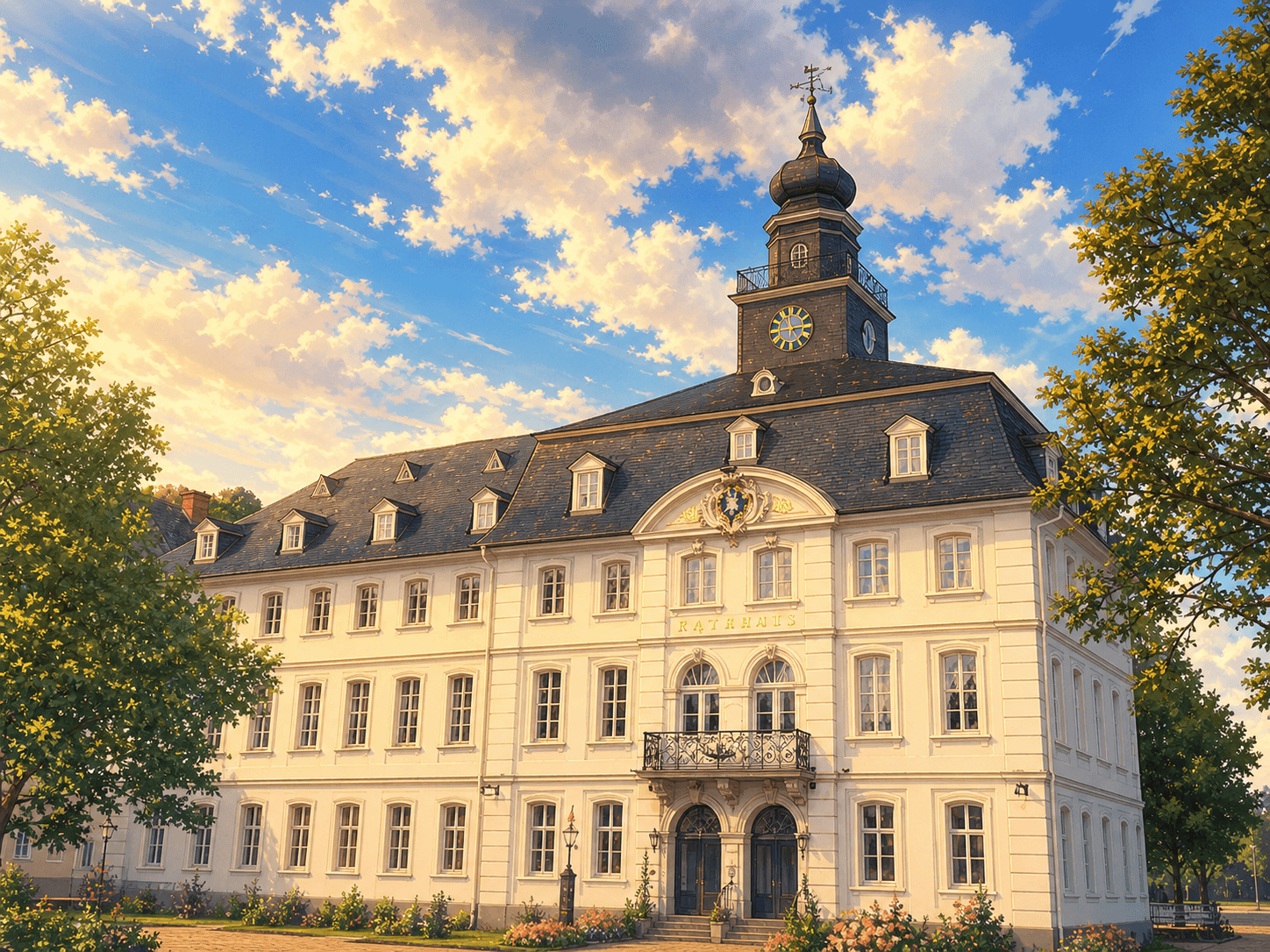
In March 2026, Saarbrücken focused on the progress and challenges of youth participation. The Committee for Schools, Children, and Youth presented reports on the Saarland Youth Participation Act. To what extent has the city implemented the legal requirements – and where are the still existing deficits? An analytical deep dive.
Youth Participation: From Formula to Practice
In March 2026, Saarbrücken's Committee for Schools, Children, and Youth engaged intensively with the implementation of the Saarland Youth Participation Act (JMBG). The law, which has been in force since 2024, obligates municipalities to actively involve young people in political and societal decision-making processes. As the state capital, Saarbrücken was required to prepare a comprehensive report covering both legal and pedagogical aspects of participation.
The Legal Framework: What Does the Law Require?
At the core of the report was §49a (1) of the Saarland Municipal Constitution Act (KSVG), which obligates the city to report annually on the participation of young people. The report, initiated by a motion from Fynn Marschler, categorized participation formats into three types: pedagogical, voluntary, and statutory procedures.
Pedagogical participation includes initiatives such as youth parliaments or student council projects, where young people discuss political topics in age-appropriate ways. Voluntary participation formats are initiatives like youth forums or participation fairs, which are not mandatory but beneficial. Statutory participation procedures, on the other hand, are mandatory, for example, in urban planning projects or in the development of youth support programs.
Over the past twelve months, Saarbrücken has been able to demonstrate all three forms of participation, confirming the basic fulfillment of the legal obligation. However, it also became clear that implementation is not evenly distributed across all areas.
Challenges in Practice: Where Are the Weaknesses?
A central problem remains the lack of integration of youth participation into certain municipal sectors. For example, it became apparent that significantly more participation formats exist in municipal youth social work than in urban planning or the development of educational programs. The evaluation of the implemented formats, as requested in the motion, remained partially incomplete.
Another critical issue is the lack of transparency in participation. Many young people were unaware of how or where they could get involved. Although Saarbrücken has a youth forum, its reach remains limited. In addition, digital participation – such as online surveys or digital platforms – is hardly established, even though young people can be particularly well reached through these channels.
Future Perspectives: How Can Participation Be Strengthened?
The reports from the committee show that Saarbrücken is on the right track – but has not yet reached the destination. To sustainably strengthen the participation of young people, three central measures are necessary:
Structured Evaluation: The city must learn not only to organize participation formats, but also to measure their impact. Which projects actually influence decisions? Which ones fall short?
Better Networking: Young people must be significantly better informed about the existing participation opportunities. Here, a digital platform could play a central role.
School Integration: Youth participation must be more firmly integrated into school life. Schools are the ideal place to combine political education and participation.
Conclusion: Participation as a Task – but Also an Opportunity
The reports on the JMBG show that Saarbrücken set a first milestone in youth participation in March 2026. The city meets the minimum legal requirements – but there is still a lot to be done. The participation of young people is not only a legal obligation, but also an opportunity to jointly shape the city's future.
NeoSearch analyses public council documents, committee minutes and municipal announcements. Source references appear automatically once verified meeting data is available.
What does this mean for businesses?
Schools, daycare centres and public buildings create early planning and construction opportunities. Following council agendas surfaces tenders for refurbishment, new builds and fit-out months before the official award — from shell construction to specialist planning to furnishing.
Track similar decisions in your region
Set up monitoring for education & public facilities in Saarland — prefilled from this article.
Set up monitoring →More signals from Saarbruecken
Sport in Saarbrücken: Highlights and Challenges in April 2026
In April 2026, Saarbrücken was the focus of several key sports policy decisions and projects. The Committee for Sports and Public Facilities addressed the preparation for the Special Olympics, the renovation of sports facilities, and the long-term security of the sports infrastructure. An overview.
Read more → Climate Protection in Saarbrücken: How the State Capital Advances the Energy Transition in April 2026
In April 2026, the state capital of Saarbrücken made numerous climate-related decisions and launched initiatives to achieve its climate protection goals. The focus was on municipal heat planning, the promotion of renewable energies, and the strengthening of the climate protection management. Here is an analysis of the most important developments.
Read more → Social Affairs in Saarbrücken: Focus on Migration, Integration, and Neighborhood Policy in April 2026
In April 2026, Saarbrücken saw important decisions and discussions in the field of social affairs, particularly on topics such as refugee accommodations, the advisory board for people with disabilities, and senior participation in Rastpfuhl. This blog analyzes the political priorities, backgrounds, and implications.
Read more →