Saarbrücken’s Budget Policy in February 2026: Between Austerity and Sustainability
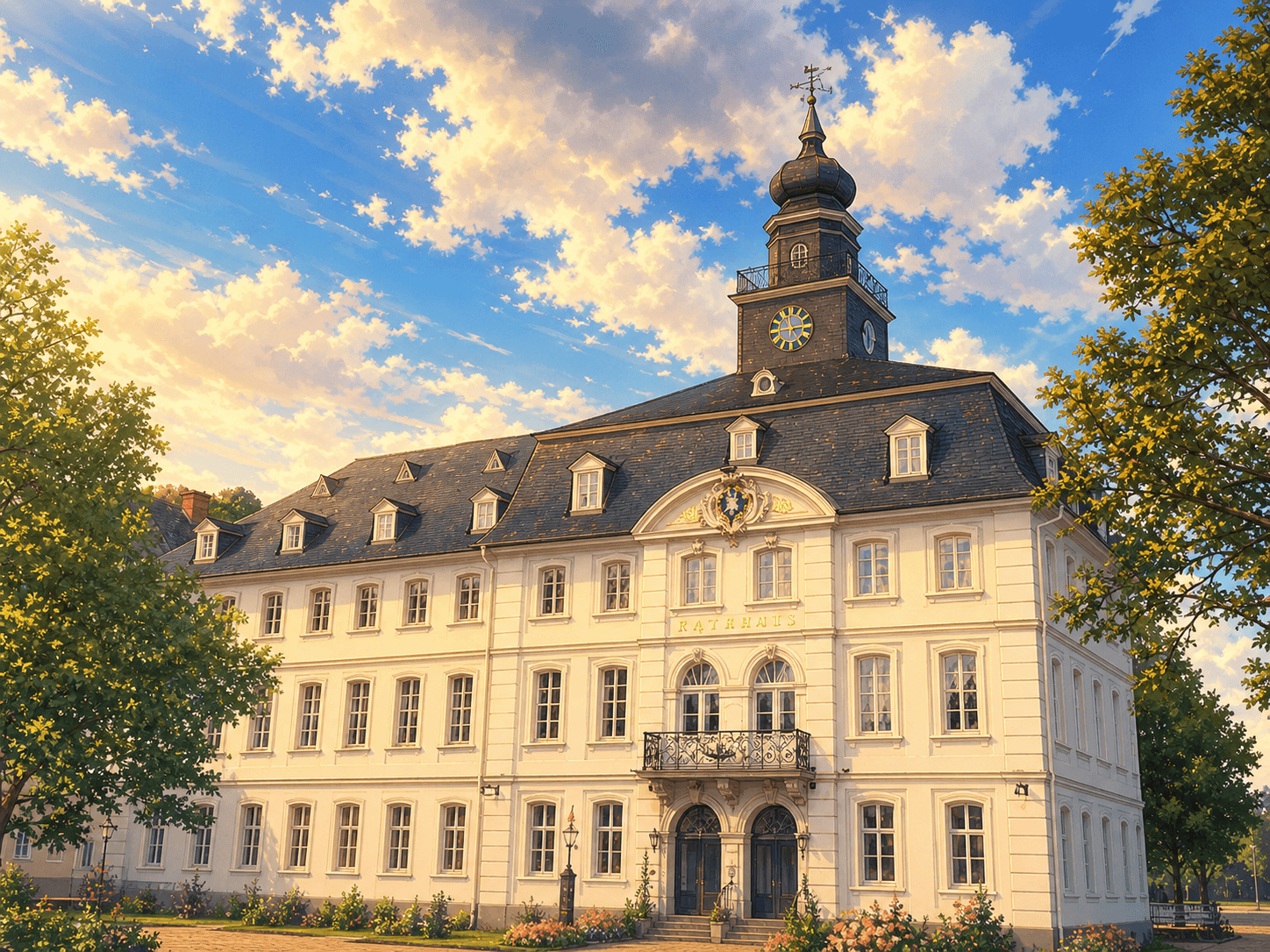
In February 2026, Saarbrücken held crucial budget discussions addressing structural deficits and investments in sustainability. An overview of the financial challenges and strategic decisions of the state capital.
Budget Debates in Focus: Saarbrücken in February 2026
February 2026 was marked in Saarbrücken by intense debates in the Finance and Property Committee. The city faced the challenge of passing a budget that, despite a structural deficit of over 78 million euros, did not neglect sustainable projects and social investments. At the same time, Saarbrücken had to deal with rising expenses and falling revenues – a situation that has become typical for many cities in Germany.
Budget Structure: Between Deficit and Investment
The 2026 budget is characterized by a structurally high deficit, driven by increasing mandatory tasks such as social security, personnel, and care costs. At the same time, revenues are stagnating, further straining the financial situation. Although the city receives approximately 120 million euros from the municipal financial equalization scheme, it has to transfer about 230 million euros to the regional association. This financial pressure is further intensified by high compensation payments for the municipal hospital.
Despite this strained situation, the city is investing in sustainable projects such as climate adaptation measures, neighborhood development, and digital model projects. The administration has been tasked with maintaining existing subsidies for associations and cultural institutions and further developing new projects such as sensor-based pilot projects or smart city applications.
Subsidies and Changes: What’s New?
Another focus was the revision of the subsidy regulation for care places in childcare facilities. The maximum subsidy was increased from 10 to 20 occupancy places per provider, doubling the total amount from 48,000 to 96,000 euros. In addition, the citywide limit was adjusted from 20 to 40 occupancy places. These measures are part of a broader effort to strengthen early childhood education in Saarbrücken.
In addition, funds from the special asset were in the spotlight. A motion from the FDP faction asked whether there are clear implementation guidelines for these funds and, if so, what they look like. The Finance and Property Committee discussed the use of these funds, with the focus on infrastructure and climate neutrality.
Critical Voices and Demands on the State and Federal Government
The City Council criticized the lack of funding for the full-day childcare entitlement by the state and federal government and called for relief for municipalities. In addition, it was requested to open existing special assets for municipal projects. The Saarbrücken Zoo, which is no longer included in the state's tourism promotion, was the focus of financial concerns. The hospital funding was also described as insufficient, which is why a long-term guarantee was demanded.
Outlook and Challenges
The budget discussions in February 2026 show that Saarbrücken is balancing between austerity and investment. The city is focusing on sustainability and social projects, but at the same time has to deal with a strained financial framework. The communication of the budget strategy to the population and the transparency of the use of funds will be crucial in gaining the trust of the citizens.
In the coming months, it will depend on whether the planned projects can actually be implemented and which priorities are set in the 2026 budget. In addition, it remains to be seen whether the calls for more financial support from the state and federal government will be heeded.
NeoSearch analyses public council documents, committee minutes and municipal announcements. Source references appear automatically once verified meeting data is available.
What does this mean for businesses?
Municipal council decisions are early indicators: following the council agenda surfaces projects and tenders months before the official award — before they ever reach the procurement portals.
Track similar decisions in your region
Set up monitoring for Finance and Budget in Saarland — prefilled from this article.
Set up monitoring →More signals from Saarbruecken
Sport in Saarbrücken: Highlights and Challenges in April 2026
In April 2026, Saarbrücken was the focus of several key sports policy decisions and projects. The Committee for Sports and Public Facilities addressed the preparation for the Special Olympics, the renovation of sports facilities, and the long-term security of the sports infrastructure. An overview.
Read more → Climate Protection in Saarbrücken: How the State Capital Advances the Energy Transition in April 2026
In April 2026, the state capital of Saarbrücken made numerous climate-related decisions and launched initiatives to achieve its climate protection goals. The focus was on municipal heat planning, the promotion of renewable energies, and the strengthening of the climate protection management. Here is an analysis of the most important developments.
Read more → Social Affairs in Saarbrücken: Focus on Migration, Integration, and Neighborhood Policy in April 2026
In April 2026, Saarbrücken saw important decisions and discussions in the field of social affairs, particularly on topics such as refugee accommodations, the advisory board for people with disabilities, and senior participation in Rastpfuhl. This blog analyzes the political priorities, backgrounds, and implications.
Read more →