Saarbrücken in the Spotlight: Economic Momentum and Digital Future
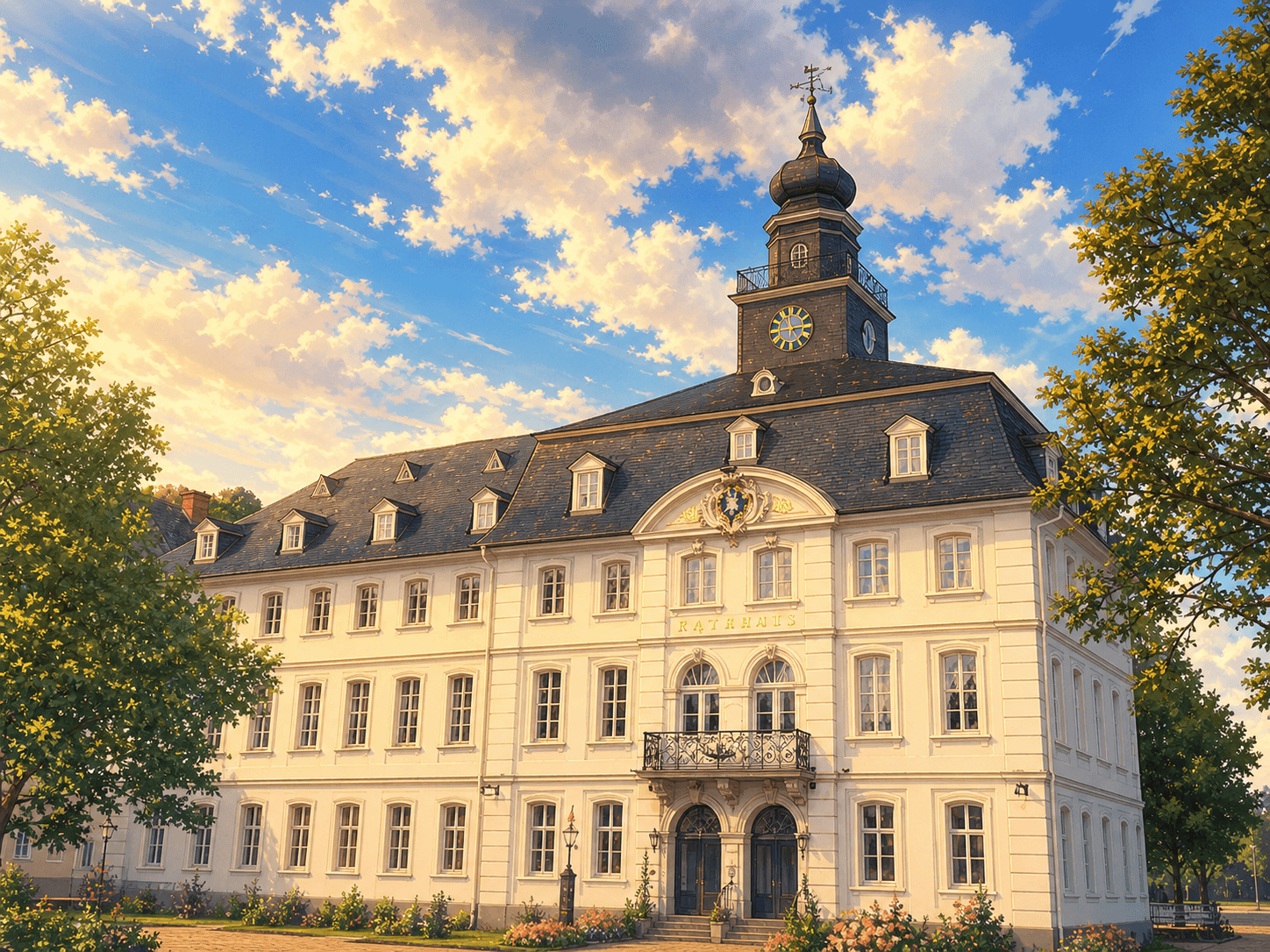
In February 2026, Saarbrücken took several decisive steps toward a forward-looking economic and digital strategy. The city is actively strengthening its retail sector, enhancing the attractiveness of its city center, and implementing digital participation formats to involve citizens more closely in decision-making processes.
Economic Future-readiness: A Focus on Data, Carnival, and Citizen Participation
In February 2026, the city of Saarbrücken clearly positioned itself as a key actor in economic development. Three central aspects were in focus: the use of pedestrian data to optimize the city center, the future of the local carnival, and the further development of digital participation formats. All of these measures contribute to the city's sustainable economic strength while simultaneously increasing public participation.
Pedestrian Data as a Strategic Tool
One of the key measures was the ongoing pedestrian counting, which has taken place in the city center since 2018. In 2026, the survey was expanded to include four additional locations, including Bahnhofstraße, Berliner Promenade, and Sulzbachstraße. The data is used in various areas: for city center management, location marketing, press activities, and settlement inquiries.
Pedestrian numbers are not only indicators of the city center's attractiveness but also essential foundations for political decision-making. For instance, it was found that the area of Bahnhofstraße (North) ranked among the top 30 most frequented locations in Germany in 11 out of 12 months in 2025. These insights help develop targeted measures to strengthen retail, such as within the municipal support program for the strengthening of retail in Saarland.
Carnival as a Cultural and Economic Highlight
The Saarbrücken carnival remains a central event with significant cultural and economic importance. In 2025, the May carnival cost around 62,000 euros, with nearly half of this amount allocated for security measures. The October carnival cost approximately 42,000 euros. The city is currently working on support measures to make the carnival more attractive, such as by increasing dialogue with the fairgrounds association and other municipalities.
In addition, the examination of alternative locations for the October carnival within the city center is underway. Sites such as Tiblisser Platz or Landwehrplatz are being considered. However, placing large rides poses challenges due to load-bearing capacities, tree protection, and flood protection. A study on city center development will continue to investigate the design of a city center carnival.
Digital Participation as a Key to the Future
Another focal point was digital citizen participation. In recent years, 157 participation procedures have already been carried out, with 83.4% of them being voluntary. The city is now considering the establishment of a participation advisory board, as exists in cities like Mainz or Stuttgart. Such bodies advise politics and administration, accompany participation processes, and promote transparency.
Digital participation platforms are also in focus. Cities such as Kaiserslautern or Mannheim are successfully using such platforms to increase citizen involvement. In Saarbrücken, there are currently hardly any digital formats, resulting in limited participation. Expanding these platforms could increase the transparency of political decision-making and strengthen trust in local democracy.
Outlook: A City in Transition
The measures adopted by Saarbrücken in February 2026 show that the city is actively working on its future. The combination of economic strengthening, digital participation, and cultural attractiveness will be crucial. Particularly interesting will be how the results of the pedestrian counts influence the city center strategy and whether the carnival can be more strongly relocated to the city center in the future. Moreover, it will be important to systematically expand digital participation formats to include those citizens who rarely attend in-person events.
NeoSearch analyses public council documents, committee minutes and municipal announcements. Source references appear automatically once verified meeting data is available.
What does this mean for businesses?
Urban development, zoning plans and commercial settlements create early construction and supply opportunities. Following council decisions reveals projects before they go to tender.
Track similar decisions in your region
Set up monitoring for economic development in Saarland — prefilled from this article.
Set up monitoring →More signals from Saarbruecken
Sport in Saarbrücken: Highlights and Challenges in April 2026
In April 2026, Saarbrücken was the focus of several key sports policy decisions and projects. The Committee for Sports and Public Facilities addressed the preparation for the Special Olympics, the renovation of sports facilities, and the long-term security of the sports infrastructure. An overview.
Read more → Climate Protection in Saarbrücken: How the State Capital Advances the Energy Transition in April 2026
In April 2026, the state capital of Saarbrücken made numerous climate-related decisions and launched initiatives to achieve its climate protection goals. The focus was on municipal heat planning, the promotion of renewable energies, and the strengthening of the climate protection management. Here is an analysis of the most important developments.
Read more → Social Affairs in Saarbrücken: Focus on Migration, Integration, and Neighborhood Policy in April 2026
In April 2026, Saarbrücken saw important decisions and discussions in the field of social affairs, particularly on topics such as refugee accommodations, the advisory board for people with disabilities, and senior participation in Rastpfuhl. This blog analyzes the political priorities, backgrounds, and implications.
Read more →