Saarbrücken in Focus: Urban Development and Concepts for Sustainable City Planning
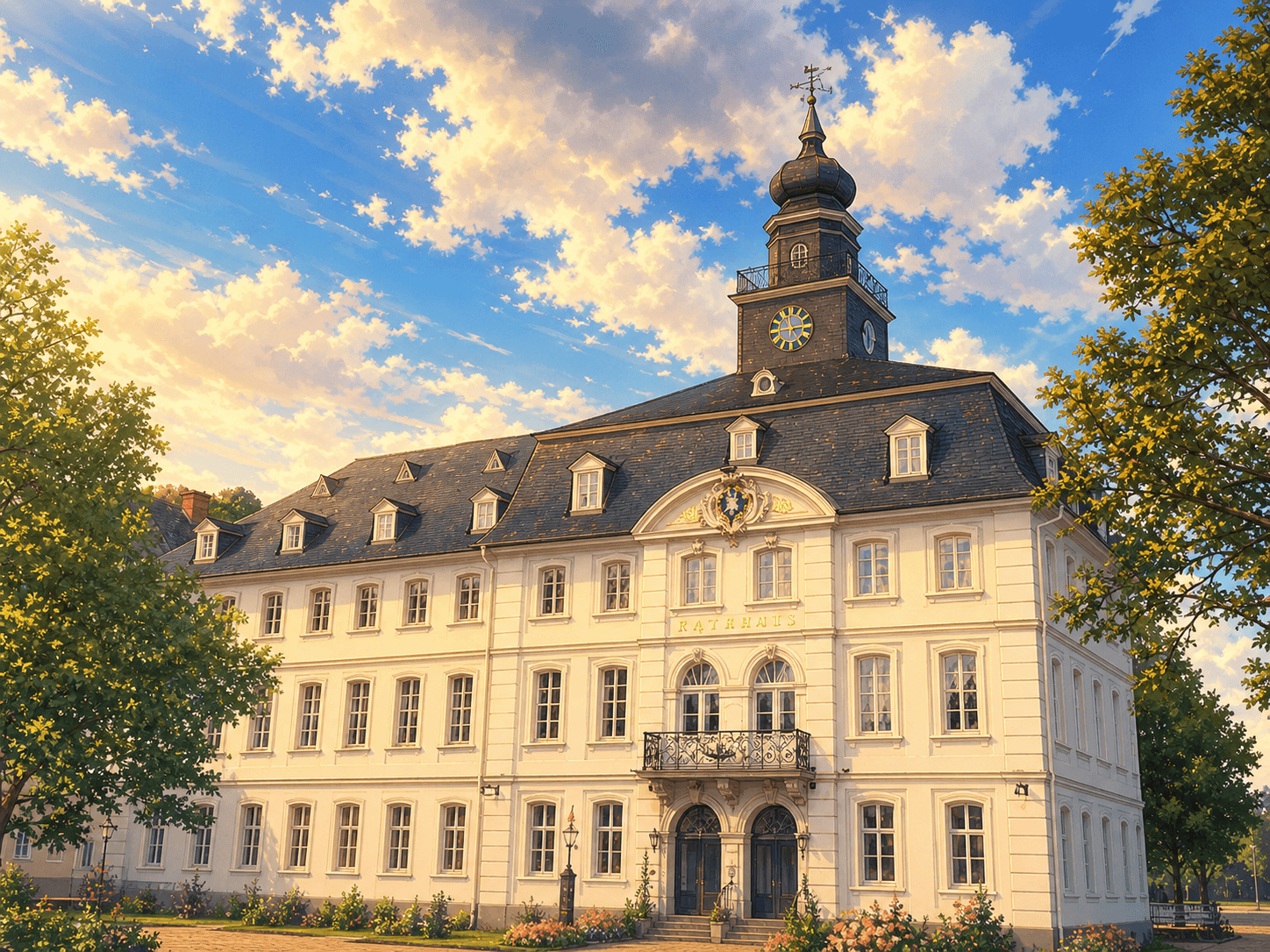
In February 2026, Saarbrücken focused on numerous urban and construction projects that influence both the city’s design and the quality of life for its citizens. The Committee for Construction, Open Space, and Urban Development addressed issues such as wild boar protection, land development models, zoning procedures, and the modernization of street lighting. This blog article provides an in-depth look at the decision-making processes and backgrounds of these projects.
Urban Development with a Focus on Sustainability and Quality of Life
February 2026 was marked in Saarbrücken by an intense focus on urban development. Numerous projects and proposals were discussed in the Committee for Construction, Open Space, and Urban Development, touching upon both infrastructural and social aspects of city planning. The discussions reflected the challenges many cities face in the 21st century: affordable housing, climate protection, heritage preservation, and the management of wildlife in urban areas.
Wild Boar Protection at the Hauptfriedhof Cemetery: A Pragmatic Solution
One of the first topics discussed in the committee was the installation of livestock fences at the entrances to Saarbrücken's Hauptfriedhof (main cemetery). The goal was to prevent wild boars from entering the grounds, which is necessary for both safety and hygiene reasons.
The livestock fences are passable for vehicles and continue to allow access for cemetery gardeners and other services. However, the pedestrian access at the Metzer Straße entrance is not barrier-free. The cost of the measure is approximately 75,000 euros. The measure was decided by the Central District Council and acknowledged by the committee.
The decision shows how municipalities can pragmatically respond to challenges—in this case, without elaborate planning but by using a proven agricultural technique. At the same time, it is an example of the need to balance urban living space with nature.
Land Development Model and Affordable Housing: Between Success and Criticism
Another focal point was the implementation and effectiveness of Saarbrücken’s land development model. The model aims to create affordable housing by supporting private investors who comply with certain conditions (e.g., rent control, occupancy rights). The committee requested a comprehensive report on the current implementation, particularly on the number of housing units completed in 2024 and their distribution across price segments.
Critics of the model argue that it often results in only temporary occupancy of price-controlled housing before these units revert to the free market. An alternative currently being discussed is the introduction of a use-bound vacancy tax to encourage the reuse of vacant housing. The goal is to create permanently affordable housing through public or community-oriented ownership.
Urban Enhancement and Heritage Preservation: The Alte Brücke Reimagined
The Alte Brücke (Old Bridge), a symbol of Saarbrücken's historical and cultural identity, was also in focus. The committee reviewed the current status of the historically sensitive restoration and urban enhancement. The planning task was entrusted to a working group of renowned architects and landscape planners. The planning process is already in Phase II, and there were reports of potential delays related to the Special Olympics.
The Alte Brücke is not only an infrastructural link but also a cultural element that must be integrated into urban development. The restoration is an example of how cities can incorporate historical elements into their modern development.
Climate Protection through Modern Technology: Street Lighting Converted to LED
Another project intensively discussed in February 2026 was the modernization of street lighting to LED technology. Saarbrücken is supported in this endeavor by the state's "ZEP-kommunal LED" funding program, which helps replace HQL lamps. Over 3,100 light fixtures have already been replaced, and the renovation requirement still includes approximately 20,000 old lamps.
The conversion is a crucial step toward CO₂ reduction and energy efficiency. It also aligns with the city's climate protection strategy, which emphasizes sustainability and innovation. The modernization of lighting is a visible project that offers both technological and ecological benefits.
Outlook: Urban Development as a Process
The decisions and discussions in February 2026 show that urban development in Saarbrücken is a dynamic process that requires both pragmatic solutions and long-term planning. The topics range from public space safety and the creation of affordable housing to climate neutrality. The city is on a path that combines sustainability, quality of life, and identity.
NeoSearch analyses public council documents, committee minutes and municipal announcements. Source references appear automatically once verified meeting data is available.
What does this mean for businesses?
Urban development, zoning plans and commercial settlements create early construction and supply opportunities. Following council decisions reveals projects before they go to tender.
Track similar decisions in your region
Set up monitoring for economic development in Saarland — prefilled from this article.
Set up monitoring →More signals from Saarbruecken
Sport in Saarbrücken: Highlights and Challenges in April 2026
In April 2026, Saarbrücken was the focus of several key sports policy decisions and projects. The Committee for Sports and Public Facilities addressed the preparation for the Special Olympics, the renovation of sports facilities, and the long-term security of the sports infrastructure. An overview.
Read more → Climate Protection in Saarbrücken: How the State Capital Advances the Energy Transition in April 2026
In April 2026, the state capital of Saarbrücken made numerous climate-related decisions and launched initiatives to achieve its climate protection goals. The focus was on municipal heat planning, the promotion of renewable energies, and the strengthening of the climate protection management. Here is an analysis of the most important developments.
Read more → Social Affairs in Saarbrücken: Focus on Migration, Integration, and Neighborhood Policy in April 2026
In April 2026, Saarbrücken saw important decisions and discussions in the field of social affairs, particularly on topics such as refugee accommodations, the advisory board for people with disabilities, and senior participation in Rastpfuhl. This blog analyzes the political priorities, backgrounds, and implications.
Read more →