Budget Consolidation Under Pressure: Saarbrücken's Finances in March 2026
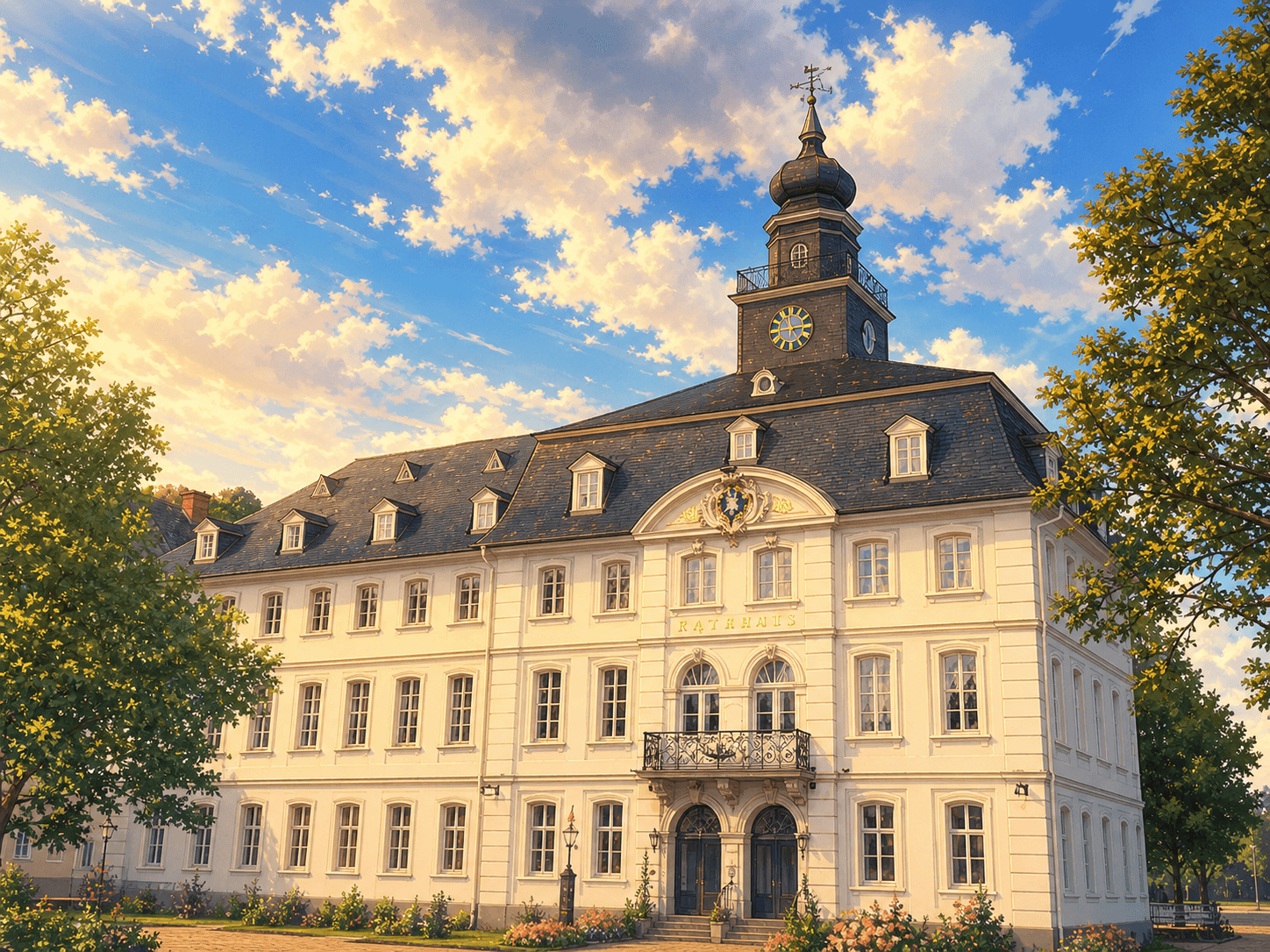
In March 2026, the financial decisions of the capital city of Saarbrücken were in the spotlight. In addition to seeking solutions for the zoo's long-term deficit and the financing of the hospital, budget drafts, loans, and investment projects were discussed. An overview of the city's challenges and strategies.
Budget Consolidation Under Pressure
The capital city of Saarbrücken continues to face significant financial challenges. In March 2026, the Finance and Real Estate Committee discussed the future of the zoo, hospital financing, investment commitments, and budget drafts. The city is compelled to implement cost-cutting measures without compromising essential public services. At the same time, it is investing sustainably in culture, climate protection, and digitalization.
Zoo Restructuring: Pricing Policy as the Key to Improving Revenue
The Saarbrücken Zoo is a prime example of the city's financial constraints. With a drop in visitor numbers by 30,000 and a revenue decline of 100,000 euros, the zoo is dependent on municipal subsidies. To stabilize its revenue situation, the city is planning a differentiated pricing and product policy.
This includes time-based admission fees ("Off-Peak Tickets"), a premium ticket with a wildlife conservation contribution, and a subscription model for annual passes. Child and social tariffs remain unchanged. The zoo's management is tasked with analyzing the impact of these measures on visitor numbers, revenue, and wildlife conservation funds.
Another goal is to increase transparency and optimize the wildlife conservation euro. In the future, this will be highlighted more prominently to visitors, for example, through pre-selected options in the online shop. The basis for these adjustments will be data-driven and scenario-based, including the breakdown of ticket sales by weekdays, categories, and seasons.
Budget Deficit and Reform Demands
In the 2026 budget, the capital city of Saarbrücken reports a structural deficit of over 78 million euros. The municipal financial crisis is exacerbated by rising expenditures on social security, personnel, and mandatory tasks, as well as declining revenues. The city receives approximately 120 million euros from the municipal financial equalization, but must transfer over 230 million euros to the regional association.
The high equalization payments for the municipal hospital further burden the financial situation. Double-digit millions are allocated annually to finance the hospital. The city therefore demands a fundamental reform of financial relations and full funding of statutory mandatory tasks by the federal and state governments.
Despite the budget problems, the city places value on social, ecological, and cultural projects. Measures for climate adaptation such as greening, sealing reduction, and stormwater management as well as digital pilot projects such as smart city applications are to be advanced. The city also relies on innovative neighborhood development that combines housing, work, culture, and creative industries.
Investment and Financing Decisions
In March 2026, investment and financing decisions were also at the forefront. The Finance and Real Estate Committee discussed the sale of properties at Nauwieserstraße 14–18, refinancing, loan acquisitions, and funding allocations under § 89 KSVG. Quarterly reports from municipal enterprises and cooperation agreements such as that for the Perspectives 2026 festival were also addressed.
The city also plans to finance the renovation of cultural and reading centers and to permanently support the bicycle workshop. At the same time, a priority list for the renovation of municipal swimming pools is being created. The administration is instructed to continue cost-cutting measures without endangering essential public services.
Outlook: Financial Consolidation and Investments in a Delicate Balance
The financial policy of the capital city of Saarbrücken is in a balancing act between cost-cutting pressures and investment needs. The city must continue to rely on reforms in municipal financial equalization to be able to finance its mandatory tasks. At the same time, it is investing sustainably in culture, climate protection, and digitalization to ensure the city's future viability.
The coming months will show whether the planned measures in the zoo, hospital financing, and budget consolidation can be successfully implemented.
NeoSearch analyses public council documents, committee minutes and municipal announcements. Source references appear automatically once verified meeting data is available.
What does this mean for businesses?
Municipal council decisions are early indicators: following the council agenda surfaces projects and tenders months before the official award — before they ever reach the procurement portals.
Track similar decisions in your region
Set up monitoring for Finance and Budget in Saarland — prefilled from this article.
Set up monitoring →More signals from Saarbruecken
Sport in Saarbrücken: Highlights and Challenges in April 2026
In April 2026, Saarbrücken was the focus of several key sports policy decisions and projects. The Committee for Sports and Public Facilities addressed the preparation for the Special Olympics, the renovation of sports facilities, and the long-term security of the sports infrastructure. An overview.
Read more → Climate Protection in Saarbrücken: How the State Capital Advances the Energy Transition in April 2026
In April 2026, the state capital of Saarbrücken made numerous climate-related decisions and launched initiatives to achieve its climate protection goals. The focus was on municipal heat planning, the promotion of renewable energies, and the strengthening of the climate protection management. Here is an analysis of the most important developments.
Read more → Social Affairs in Saarbrücken: Focus on Migration, Integration, and Neighborhood Policy in April 2026
In April 2026, Saarbrücken saw important decisions and discussions in the field of social affairs, particularly on topics such as refugee accommodations, the advisory board for people with disabilities, and senior participation in Rastpfuhl. This blog analyzes the political priorities, backgrounds, and implications.
Read more →