Governance and Administration in Saarbrücken: Decisions and Discussions in February 2026
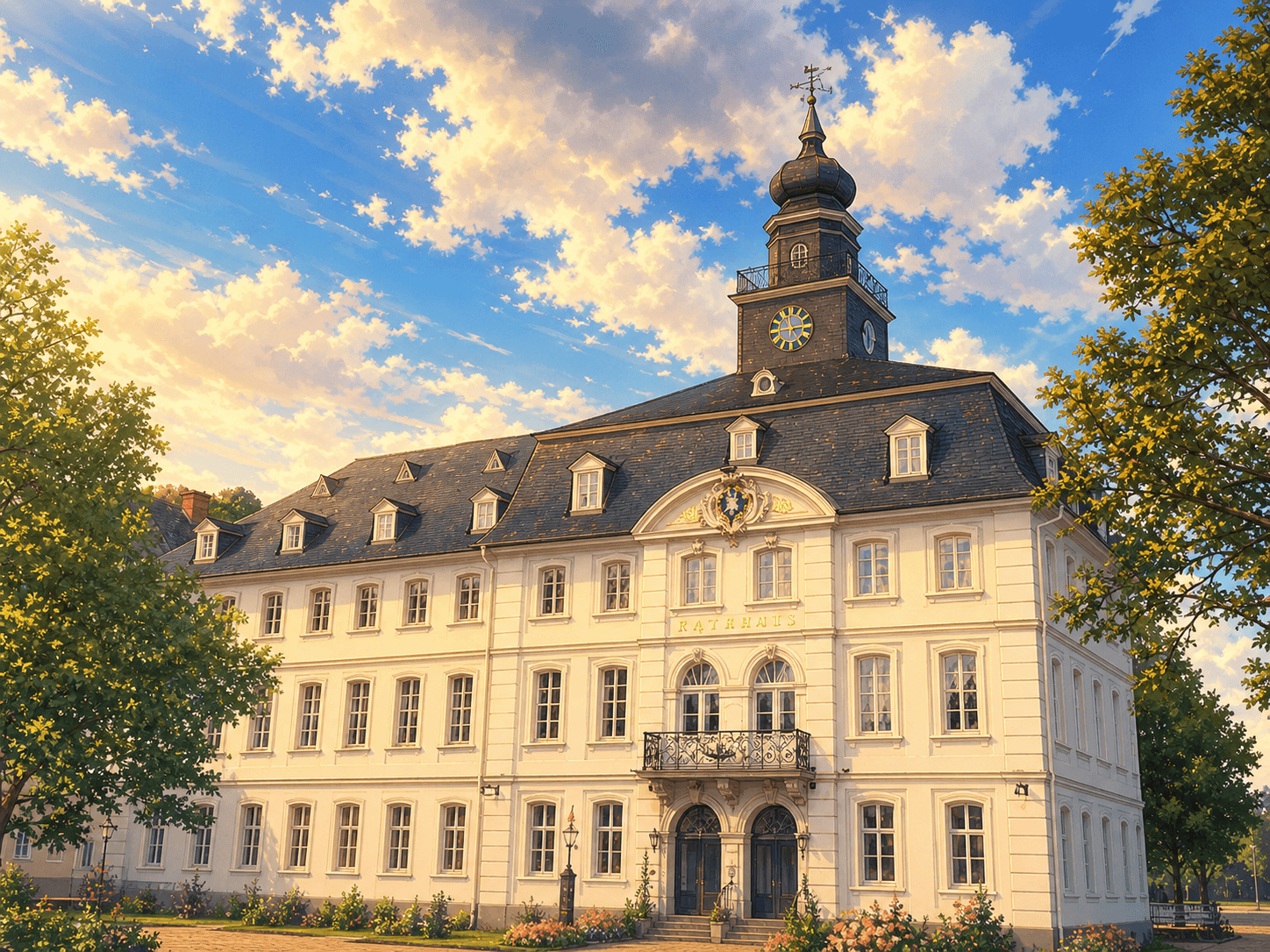
In February 2026, Saarbrücken saw important meetings and decisions in the area of governance and administration. The Senior Advisory Council, the Personnel and Legal Committee, and the Works Committee IKS discussed topics ranging from health responsibility to legal regulations. This blog article analyzes the backgrounds, debates, and potential impacts of these decision-making processes.
Governance and Administration in Saarbrücken: Transparent Decisions and New Challenges
In February 2026, the municipal administration of Saarbrücken addressed a wide range of topics affecting both the administrative structure itself and societal and legal aspects. Particularly notable were the public sessions of the Senior Advisory Council, the Personnel and Legal Committee, and the Works Committee IKS. These sessions not only reflect the workings of the municipal administration but also the political and administrative priorities in the state capital.
Public Participation and Senior Policy
On 03.02.2026, the seventh public session of the Senior Advisory Council took place, chaired by Lothar Arnold. The Senior Advisory Council, which operates under the Office for Health, Prevention, and Social Affairs, discussed topics such as the Action Program 2026, the Senior Day 2025, and the Senior Policy Concept. This session was an important forum for representing the interests of older citizens and demonstrated how the city actively responds to the needs of seniors.
The meeting was held at the City Hall in Saarbrücken St. Johann and was accessible digitally via the software „Sitzungsdienst Session.“ This approach underlines the city's efforts to promote transparency and participation, especially for those who cannot attend in person.
Legal and Personnel Debates
On 04.02.2026, the Personnel and Legal Committee convened, chaired by Mayor Uwe Conradt. This session focused, among other things, on legal amendments to the grant regulation and personnel decisions. Particularly notable was a motion by the city council faction bunt.Saarland for Alle, proposing a review of a potential ban on private New Year's fireworks.
The rationale for this motion was clear: health, ecological, and animal-related burdens caused by fireworks are a major concern for the population. A survey revealed that 59% of the population supports a ban. Other cities such as Hanover, Munich, or Stuttgart have already examined ban zones or alternatives. The motion illustrates how legal issues in administration are not only formally addressed but also reflect societal discourse.
Structural Adjustments and Administrative Processes
The Works Committee IKS, responsible for the city's administrative structures and finances, discussed loan decisions, procurement resolutions, and adjustments to staffing plans on 24.02.2026. A particular challenge was the rescheduling of the allocation meeting for BgA IKS LWL / BgA IKS EDV. The reason was an incomplete tax closing process, which was only finalized on 17.12.2025.
These events demonstrate how complex the administration in Saarbrücken is and how many factors must be considered in decision-making. Transparency in such processes is crucial to gain the trust of the population.
Outlook: Governance in the Digital Future
The administrative meetings in February 2026 show that Saarbrücken is on the path to integrating more transparency and public participation into governance. At the same time, it becomes evident that legal and structural challenges must not be underestimated. The discussions around topics such as New Year's fireworks or tax closures highlight that the municipal administration carries not only administrative tasks but also societal responsibility.
In the coming months, it will be interesting to observe how the outcomes of these meetings are translated into concrete measures—particularly in the areas of senior policy and legislation. The digital accessibility of the meetings is another step toward a modern, participatory administration.
NeoSearch analyses public council documents, committee minutes and municipal announcements. Source references appear automatically once verified meeting data is available.
What does this mean for businesses?
Town halls, fire stations, depots and administrative buildings create early construction and refurbishment opportunities. Following council agendas reveals projects before they go to tender.
Track similar decisions in your region
Set up monitoring for public buildings & administration in Saarland — prefilled from this article.
Set up monitoring →More signals from Saarbruecken
Sport in Saarbrücken: Highlights and Challenges in April 2026
In April 2026, Saarbrücken was the focus of several key sports policy decisions and projects. The Committee for Sports and Public Facilities addressed the preparation for the Special Olympics, the renovation of sports facilities, and the long-term security of the sports infrastructure. An overview.
Read more → Climate Protection in Saarbrücken: How the State Capital Advances the Energy Transition in April 2026
In April 2026, the state capital of Saarbrücken made numerous climate-related decisions and launched initiatives to achieve its climate protection goals. The focus was on municipal heat planning, the promotion of renewable energies, and the strengthening of the climate protection management. Here is an analysis of the most important developments.
Read more → Social Affairs in Saarbrücken: Focus on Migration, Integration, and Neighborhood Policy in April 2026
In April 2026, Saarbrücken saw important decisions and discussions in the field of social affairs, particularly on topics such as refugee accommodations, the advisory board for people with disabilities, and senior participation in Rastpfuhl. This blog analyzes the political priorities, backgrounds, and implications.
Read more →