Education and Building Infrastructure in Saarbrücken – Focus January 2026
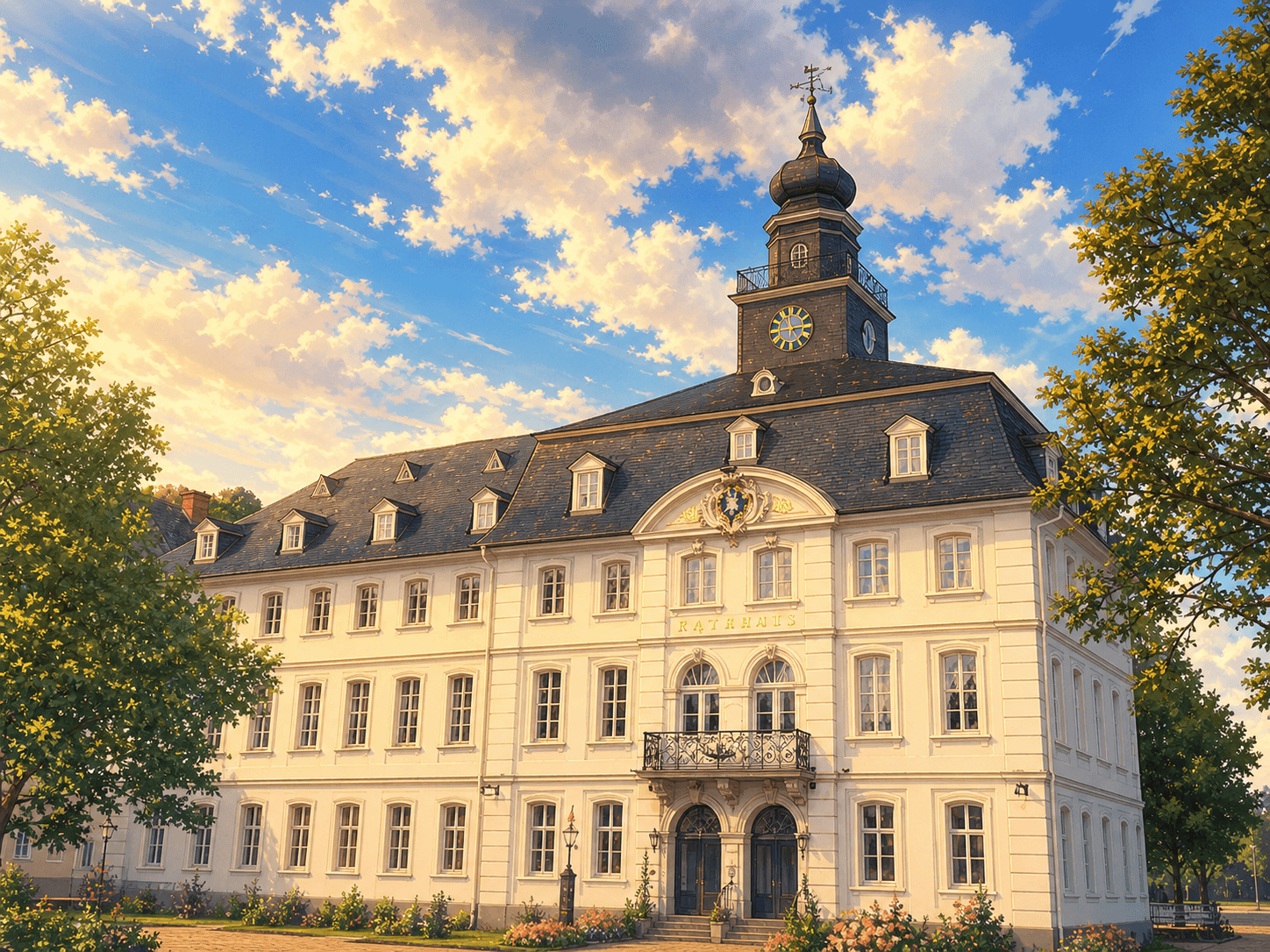
In January 2026, Saarbrücken is increasing its investments in educational institutions and their structural renovation. Numerous measures for fire safety, waterproofing, painting, and barrier-free access show how the city is designing its educational infrastructure for the future.
Education and Building Infrastructure in Saarbrücken – Focus January 2026
The state capital of Saarbrücken has intensified its focus on the renovation and modernization of its educational institutions in January 2026. Through investments in primary schools, kindergartens, town halls, and sports facilities, the city is demonstrating how it is making its infrastructure fit for future generations. The focus areas include fire safety, barrier-free access, energy efficiency, and structural maintenance.
Fire Safety: A Central Focus
Fire safety has emerged as a central topic this month. Numerous schools such as Grundschule Weyersberg, Herrensohr, and Hohe Wacht are undergoing extensive renovation work. Particularly noteworthy is the fire safety renovation of Grundschule Weyersberg, for which an additional 200,000 euros in funding was approved. The measures include the installation of fire doors, upgrading walls, and improving emergency lighting in escape routes.
These investments are not only necessary but also legally required. The city is working closely with the UBA (Federal Environment Agency) and the heritage protection authority, especially in the case of protected buildings such as the Sebergerbau. Additionally, the gymnasium of Grundschule Hohe Wacht is the subject of a final funding round after the originally planned 2025 funding fell through.
Maintenance and Renovation: A Broad Program
In addition to fire safety measures, comprehensive maintenance work is planned for various facilities throughout Saarbrücken. For example, the district of Halberg will present a maintenance program for 2026, to be discussed on January 21, 2026. The measures include roof repairs, façade renewal, restroom facilities, and fire safety measures.
Renovation work is also being carried out in other districts such as West and Dudweiler. The KITA Brebach is receiving funds for waterproofing and the renewal of an exit, while Grundschule Am Geisberg is addressing deficiencies identified in an E-Check. Overall, the city is investing nearly 280,000 euros per district in maintenance work, with an emphasis on long-lasting but also barrier-free solutions.
Accessibility and Disability Policy: A New Impetus
In the area of disability policy, Saarbrücken has taken important steps in January 2026. The appointment of voluntary district disability coordinators in the districts of Dudweiler, Halberg, Mitte, and West is a clear signal of the city's commitment to strengthening disability-specific issues. Barbara Breder-Thonet has been appointed for the district of Halberg and supports the disability advisory board in consultations, construction projects, and complaints.
These measures are part of the implementation of the UN Convention on the Rights of Persons with Disabilities and reflect the city’s will to create barrier-free structures. In addition, the expansion of changing and breastfeeding facilities in municipal buildings is being further advanced. At a cost of around 800 euros per unit, Saarbrücken is promoting family-friendliness in town halls, libraries, and public spaces.
Outlook: Urban Development and Financial Challenges
The investments in education and building infrastructure show that Saarbrücken is actively shaping its urban future. At the same time, financing remains a central aspect. The city is utilizing municipal grants and operates within clear budget frameworks—for example, 660,250 euros for maintenance measures in the district of Halberg. These funds must be used carefully to achieve long-term effects.
The planning of new construction projects, such as the comprehensive renovation of Grundschule Am Ordensgut, is also ongoing. The city also plans to install a public drinking water fountain in Bischmisheim, responding to the needs of the population and strengthening the local supply infrastructure.
NeoSearch analyses public council documents, committee minutes and municipal announcements. Source references appear automatically once verified meeting data is available.
What does this mean for businesses?
Schools, daycare centres and public buildings create early planning and construction opportunities. Following council agendas surfaces tenders for refurbishment, new builds and fit-out months before the official award — from shell construction to specialist planning to furnishing.
Track similar decisions in your region
Set up monitoring for education & public facilities in Saarland — prefilled from this article.
Set up monitoring →More signals from Saarbruecken
Sport in Saarbrücken: Highlights and Challenges in April 2026
In April 2026, Saarbrücken was the focus of several key sports policy decisions and projects. The Committee for Sports and Public Facilities addressed the preparation for the Special Olympics, the renovation of sports facilities, and the long-term security of the sports infrastructure. An overview.
Read more → Climate Protection in Saarbrücken: How the State Capital Advances the Energy Transition in April 2026
In April 2026, the state capital of Saarbrücken made numerous climate-related decisions and launched initiatives to achieve its climate protection goals. The focus was on municipal heat planning, the promotion of renewable energies, and the strengthening of the climate protection management. Here is an analysis of the most important developments.
Read more → Social Affairs in Saarbrücken: Focus on Migration, Integration, and Neighborhood Policy in April 2026
In April 2026, Saarbrücken saw important decisions and discussions in the field of social affairs, particularly on topics such as refugee accommodations, the advisory board for people with disabilities, and senior participation in Rastpfuhl. This blog analyzes the political priorities, backgrounds, and implications.
Read more →