April 2026 – Highlights from Kaiserslautern
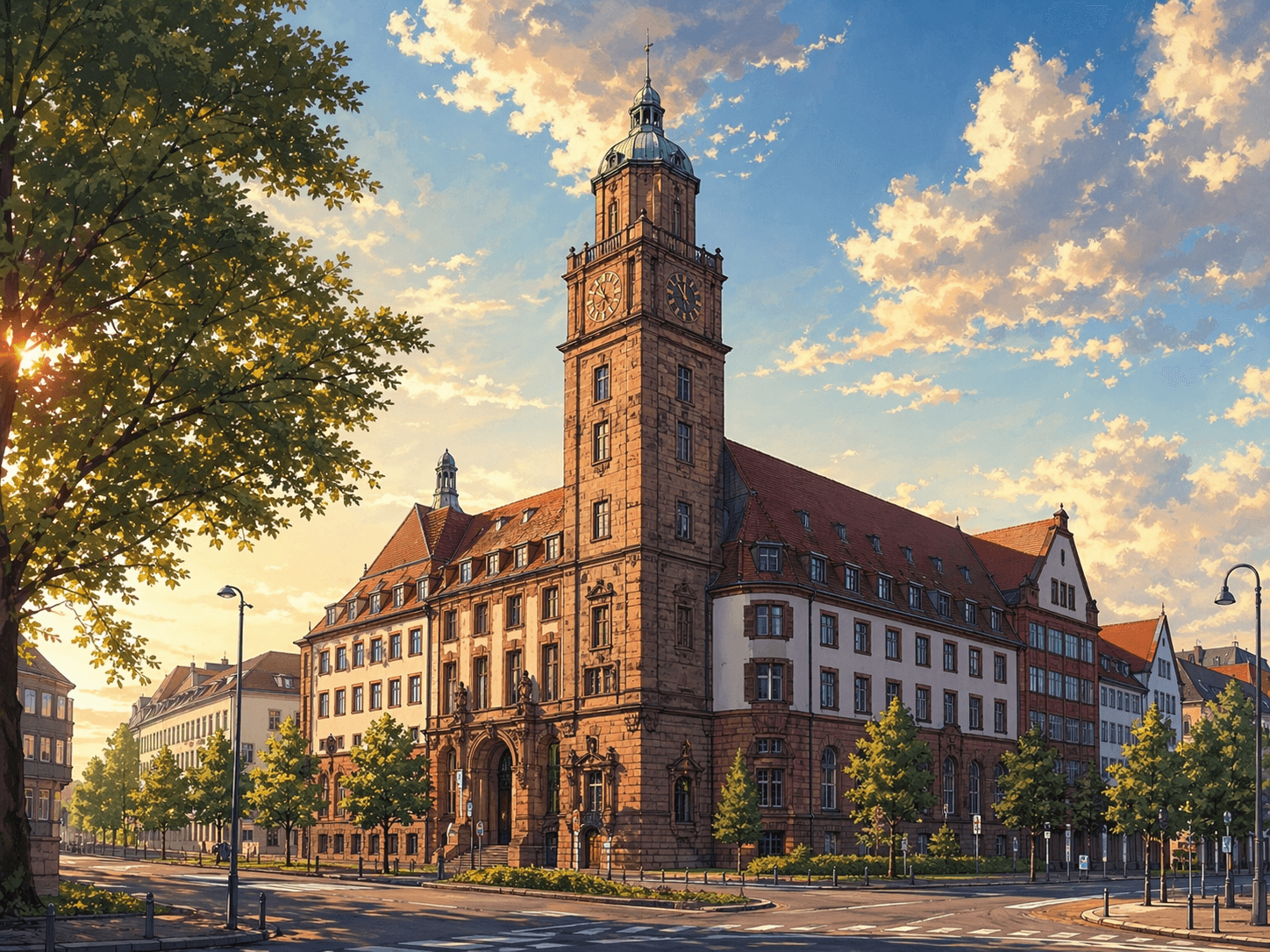
In April 2026, Kaiserslautern focused on key decisions in the areas of finance, digitalization, and urban development. The Audit Committee, the Building Committee, and the Digitalization Committee provided important impulses for the city's future.
Finances, Digitalization, and Urban Development in Focus
What Was Important This Month
- The Audit Committee reviewed the 2024 Annual Report and recommends the approval of the city administration's accounts.
- The Building Committee approved several infrastructure projects in the millions, including the replacement of the Jacob-Pfeiffer Bridge and the renovation of playgrounds.
- The Digitalization Committee presented the city's AI Roadmap, which outlines the structured implementation of AI over 24 months.
- The Main and Finance Committee accepted donations and sponsorship contributions amounting to 18,628.99 euros and approved the regional implementation plan for the Pfalz Plan.
- The Inclusion Council is planning a panel discussion on the state elections and advocates for barrier-free access and inclusion.
Audit and Budget Situation
The Audit Committee reviewed the 2024 Annual Report and found that the city of Kaiserslautern achieved a surplus of 61.5 million euros. The total balance sheet amounts to 1.37 billion euros, and the per capita debt is 4,080 euros.
The committee recommends granting approval to the Mayor and the Deputy Mayors. At the same time, weaknesses in the budget system were identified: The 2025–2027 Financial Plan violates the requirement of budget balance, and the city's financial software is not certified. The State Audit Office of Rhineland-Palatinate has demanded certification.
In addition, the city has 159.7 million euros in liquidity loans as residual debt. The funding from the state via the PEK-RP program is largely completed. The city is now required to present the requirements of the sustainability strategy and the demographic change by August 2026.
Building Committee: Investments in Infrastructure and Education
In April, the Building Committee intensely discussed infrastructure projects. In total, over 125 million euros were approved for the maintenance and expansion of municipal buildings, including:
- 125 million euros for the comprehensive renovation of the Town Hall
- 60 million euros for the Beilstein/Fritz-Walter School Campus
- 30.54 million euros for the comprehensive renovation of BBS II
- 15.5 million euros for the replacement of the Jacob-Pfeiffer Bridge
Projects in the area of green and open spaces were also approved: The Käthe-Kollwitz Playground will be upgraded for 30,000 euros, and a nature-oriented park in the Grübentälchen will be created for 170,000 euros.
In addition, changes to zoning plans were approved, including the partial revocation of the zoning plan "Commercial Area North-West". These measures are part of the long-term urban development and contribute to making the city more livable.
Digitalization: AI Roadmap and Geoportal
The Digitalization Committee presented the AI Roadmap, which outlines the structured implementation of AI in the administration over 24 months. Four phases are planned: internal departmental setup, pilot projects, expansion, and sustainability. The operational implementation will take place in Department 13.3 "Data and Services".
In addition, the Geoportal will be updated to version 3 to expand its functionality and improve user guidance. Another project is the introduction of a software solution for the summer program, which is intended to simplify planning and organization.
Digitalization is a key component of administrative modernization and contributes to making the city administration more transparent and efficient.
Looking Beyond the Plate: Cross-Thematic Developments
A clear trend in the past weeks has been the increasing attention to budget discipline and digitalization. The audit has shown that the city is responsible for shaping its finances in a sustainable manner. At the same time, Kaiserslautern is relying on innovation and technology to make the administration future-ready.
There are also impulses in the area of inclusion and senior citizen participation: The Inclusion Council organizes events that address political and social issues, and the Senior Citizens Council is preparing for the Senior Citizens Week 2026. These initiatives contribute to the participation of all population groups.
Conclusion and Outlook
April 2026 in Kaiserslautern was marked by important decisions in the areas of finances, digitalization, and urban development. The city is setting impulses for infrastructure, sustainability, and modern administration. At the same time, inclusion and citizen participation are being considered.
In the coming months, further budget decisions, construction projects, and digital initiatives will follow. The city of Kaiserslautern is moving toward a future-ready, livable, and inclusive urban life.
NeoSearch analyses public council documents, committee minutes and municipal announcements. Source references appear automatically once verified meeting data is available.
What does this mean for businesses?
Municipal council decisions are early indicators: following the council agenda surfaces projects and tenders months before the official award — before they ever reach the procurement portals.
Track similar decisions in your region
Set up monitoring for Finance and Budget in Rheinland-Pfalz — prefilled from this article.
Set up monitoring →More signals from Kaiserslautern
Sports Policy in Kaiserslautern: Focus on Swimming Pools, Infrastructure, and Inclusion in April 2026
In April 2026, important decisions were made in Kaiserslautern’s Sports Committee. Topics such as the swimming season, barrier-free company run, and future sports funding were discussed – with insights into the challenges and opportunities in urban development.
Read more → Governance in Kaiserslautern: Inclusion, Digitalization, and Citizen Participation
In April 2026, Kaiserslautern focused on several central themes of governance and administration: inclusion, digitalization, and citizen participation. The Inclusion Advisory Board and the Digitalization Committee discussed important initiatives aimed at shaping the city's future.
Read more → Kaiserslautern's Construction Planning: Outlook on Investments, Renovations, and Urban Development in April 2026
In the week of April 2026, Kaiserslautern has entered the next phase of its urban construction planning. With investments exceeding 300 million euros, a wide range of renovation projects, and new housing developments, the city is undergoing an intense transformation. In this blog post, we highlight the most important decisions and projects from the April meeting of the Building Committee.
Read more →