Kaiserslautern's Construction Planning: Outlook on Investments, Renovations, and Urban Development in April 2026
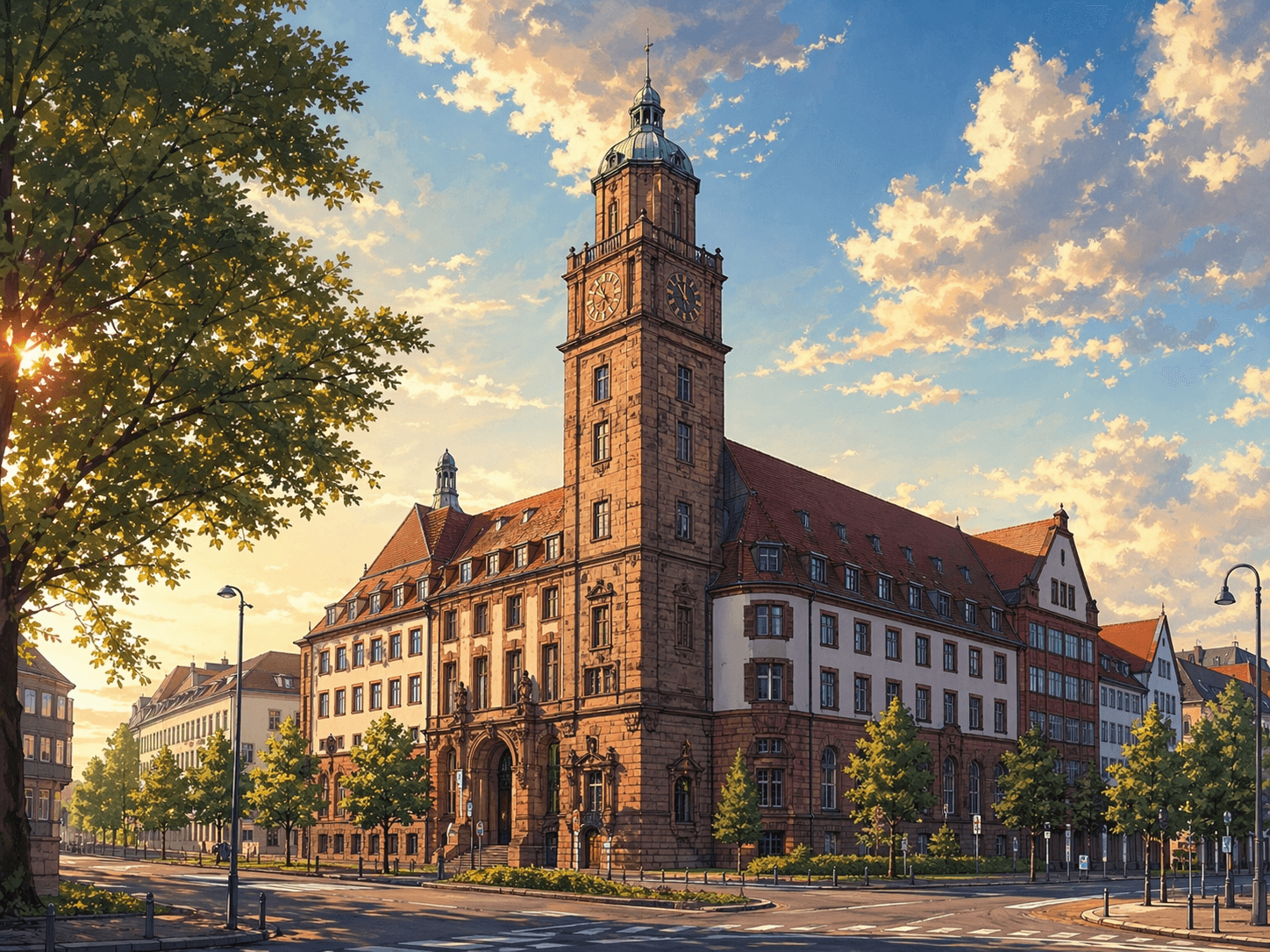
In the week of April 2026, Kaiserslautern has entered the next phase of its urban construction planning. With investments exceeding 300 million euros, a wide range of renovation projects, and new housing developments, the city is undergoing an intense transformation. In this blog post, we highlight the most important decisions and projects from the April meeting of the Building Committee.
Construction Planning in Kaiserslautern: An Overview and Outlook
The city of Kaiserslautern is in a crucial phase of its urban development. The April 2026 meeting of the Building Committee not only marks a milestone in current construction planning but also provides an outlook on future investments and renovations that will shape the city over the next ten years. With a planned investment volume of over 328 million euros and a range of major projects, including the general renovation of the City Hall, the construction of new kindergartens, and the renewal of transport infrastructure, Kaiserslautern is clearly a city in motion.
Major Projects and Renovations: The Financial Foundation of Urban Development
A central focus of the April meeting was the planned construction measures to be realized over the next ten years. The city has relied on a broad range of funding programs, including the federal program "Renovation of Municipal Sports Facilities" and the Start Opportunities Program. These investments are not only in physical buildings but also in modern construction methods such as modular construction, which optimize cost efficiency and construction time.
The general renovation of the City Hall, with a volume of 125 million euros, is not only the largest project but also a symbol of the renewal of urban architecture. At the same time, numerous school and kindergarten construction projects are planned, including the Betzenberg Education Campus and the Beilstein School Campus, which together will cost over 70 million euros. These projects show how strongly the city is focused on education and childcare.
Housing Planning and Urban Structure Policy
Another focus was the development of new housing land, particularly in the district of Morlautern. With the partial amendment of the land use plan and the designation of a General Residential Area (WA), the city has set a clear urban planning direction. The regulations, such as the floor area ratio (GFZ) of 0.8 and the height restriction of 4.50 meters, aim to enable dense but not excessive development. At the same time, green areas are secured, which strengthens the quality of life and environmental compatibility of the new settlement.
The planning also takes into account the requirements of the regional spatial planning plan and the state development program. Public consultations have been conducted, and the planning documents are digitally accessible, promoting transparency and participation.
Transport Infrastructure and Mobility: Investments in the Future
Transport planning is another central topic in Kaiserslautern. With projects such as the Bachbahn cycle path, bridge structures over the Lautertalbahn, and mobility monitors in the New City Center, the city is investing in a sustainable mobility structure. The funding used here can reach up to 90 percent, significantly reducing the financial burden on the city.
Kaiserslautern is also relying on innovation and inclusiveness in the technical security of railway crossings and the barrier-free design of bus stops. Investments in this area are not only cosmetic measures but also contribute to the safety and accessibility of the urban infrastructure.
Conclusion: A City in Motion
Kaiserslautern is in an exciting phase of its urban development. With investments exceeding 300 million euros, a wide range of renovation projects, and new housing developments, the city has set a clear course. The April meeting of the Building Committee shows that the city is not only looking to the future but actively working to shape it. The combination of investments, innovation, and sustainability makes Kaiserslautern a model for urban development in the 21st century.
NeoSearch analyses public council documents, committee minutes and municipal announcements. Source references appear automatically once verified meeting data is available.
What does this mean for businesses?
Urban development, zoning plans and commercial settlements create early construction and supply opportunities. Following council decisions reveals projects before they go to tender.
Track similar decisions in your region
Set up monitoring for economic development in Rheinland-Pfalz — prefilled from this article.
Set up monitoring →More signals from Kaiserslautern
Sports Policy in Kaiserslautern: Focus on Swimming Pools, Infrastructure, and Inclusion in April 2026
In April 2026, important decisions were made in Kaiserslautern’s Sports Committee. Topics such as the swimming season, barrier-free company run, and future sports funding were discussed – with insights into the challenges and opportunities in urban development.
Read more → Governance in Kaiserslautern: Inclusion, Digitalization, and Citizen Participation
In April 2026, Kaiserslautern focused on several central themes of governance and administration: inclusion, digitalization, and citizen participation. The Inclusion Advisory Board and the Digitalization Committee discussed important initiatives aimed at shaping the city's future.
Read more → Kaiserslautern's 2024 Budget: Surplus, Debt Reduction, and Challenges
The 2024 budget of the city of Kaiserslautern shows a surplus of 3.1 million euros, yet the financial situation remains tense. Debt reduction, investments, and reforms shape the budget development.
Read more →