Governance in Kaiserslautern: Inclusion, Digitalization, and Citizen Participation
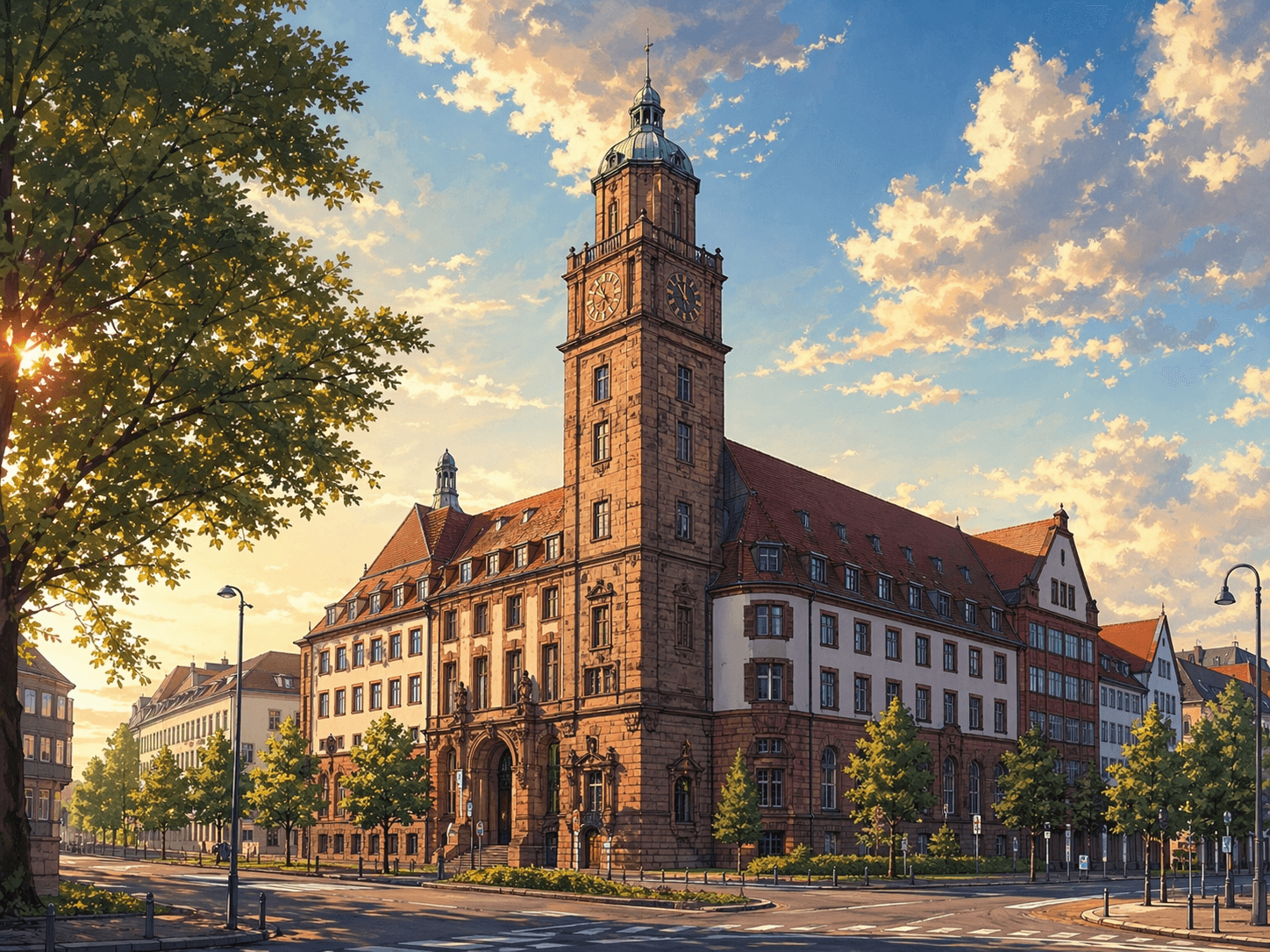
In April 2026, Kaiserslautern focused on several central themes of governance and administration: inclusion, digitalization, and citizen participation. The Inclusion Advisory Board and the Digitalization Committee discussed important initiatives aimed at shaping the city's future.
Governance in Kaiserslautern: Inclusion, Digitalization, and Citizen Participation
In April 2026, the municipal administration of Kaiserslautern intensively addressed topics affecting both administrative structures and citizen participation as well as digital transformation. Two central committees – the Inclusion Advisory Board and the Digitalization Committee – were at the center of attention. Their work reflects the city's current priorities and demonstrates how governance in Kaiserslautern is oriented toward inclusivity, transparency, and innovation.
Inclusion Advisory Board: Responsibility for All
The Inclusion Advisory Board met on April 23, 2026, at the City Hall. Its work is a central pillar of governance in Kaiserslautern, as it ensures that people with disabilities and disadvantaged groups are included in political and societal processes. The public session included a Q&A for residents, the board and managing director's report, and various announcements for discussion.
A central topic was the criticism of the company run's route, which, following public complaints, led to an alternative route. This step demonstrated the city's sensitivity to barrier-free offerings and the importance of feedback channels. In the course of the discussions, a statement from the Inclusion Advisory Board on the new route was also published, underscoring the transparency of the decision-making process.
Preparations for the Action Day for the Rights of People with Disabilities in May 2026 were also conducted. Inclusive initiatives such as the Inclusion Café in the Niels Goetheviertel or the planned event "Inclusive Work" in autumn 2026 show that inclusion in Kaiserslautern is not just a project, but a structural component of governance.
Digitalization: Innovation and Modernization of Administration
In April 2026, the Digitalization Committee also met, convening on April 20, 2026, at the City Hall. The committee is a central actor in the field of governance, as it coordinates and makes the digital transformation of the administration transparent. The session focused, among other things, on the ongoing administrative report, the AI Roadmap, and the outlook for the new version of the Geoportal.
The city has formulated a clear strategic goal with the AI Roadmap: within 24 months, an AI Governance framework is to be established, transitioning pilot projects into regular operations and creating an advisory service for departments. For this purpose, an AI Officer and an AI Coordinator will be appointed to accompany the administration in digitalization. In addition, an AI Register will be established to maintain transparency of progress.
Another important topic was the implementation of the OZG (Online Access Act), which aims to improve digital access to public services. The committee also discussed the software solution for the summer holiday program, which is intended to serve as a pilot project for future digital offerings of the city.
Citizen Participation as a Central Element of Governance
In addition to the committees, citizen participation is also a central aspect of governance in Kaiserslautern. The Inclusion Advisory Board and the Digitalization Committee regularly offer opportunities for citizen questions and discussions. This form of participation is not only a legal requirement but also a key to building trust between the administration and the citizens.
Another example of active citizen participation is the Senior Advisory Board, which met on April 16, 2026. Although no detailed information about this meeting was published, the existence and regularity of such committees are a sign of inclusive and transparent governance.
Conclusion: Governance as Future-Oriented Action
In April 2026, governance in Kaiserslautern appears dynamic, inclusive, and innovative. The work of the Inclusion Advisory Board and the Digitalization Committee underlines that governance is not only defined by structures, but also by processes. By involving citizens, raising awareness of barrier-free accessibility, and undergoing digital transformation, Kaiserslautern is setting an example today and in the future for modern, citizen-oriented governance.
NeoSearch analyses public council documents, committee minutes and municipal announcements. Source references appear automatically once verified meeting data is available.
What does this mean for businesses?
Town halls, fire stations, depots and administrative buildings create early construction and refurbishment opportunities. Following council agendas reveals projects before they go to tender.
Track similar decisions in your region
Set up monitoring for public buildings & administration in Rheinland-Pfalz — prefilled from this article.
Set up monitoring →More signals from Kaiserslautern
Sports Policy in Kaiserslautern: Focus on Swimming Pools, Infrastructure, and Inclusion in April 2026
In April 2026, important decisions were made in Kaiserslautern’s Sports Committee. Topics such as the swimming season, barrier-free company run, and future sports funding were discussed – with insights into the challenges and opportunities in urban development.
Read more → Kaiserslautern's Construction Planning: Outlook on Investments, Renovations, and Urban Development in April 2026
In the week of April 2026, Kaiserslautern has entered the next phase of its urban construction planning. With investments exceeding 300 million euros, a wide range of renovation projects, and new housing developments, the city is undergoing an intense transformation. In this blog post, we highlight the most important decisions and projects from the April meeting of the Building Committee.
Read more → Kaiserslautern's 2024 Budget: Surplus, Debt Reduction, and Challenges
The 2024 budget of the city of Kaiserslautern shows a surplus of 3.1 million euros, yet the financial situation remains tense. Debt reduction, investments, and reforms shape the budget development.
Read more →