Wuppertal in February 2026 – Budget Crisis, Care Planning, and Mobility Measures
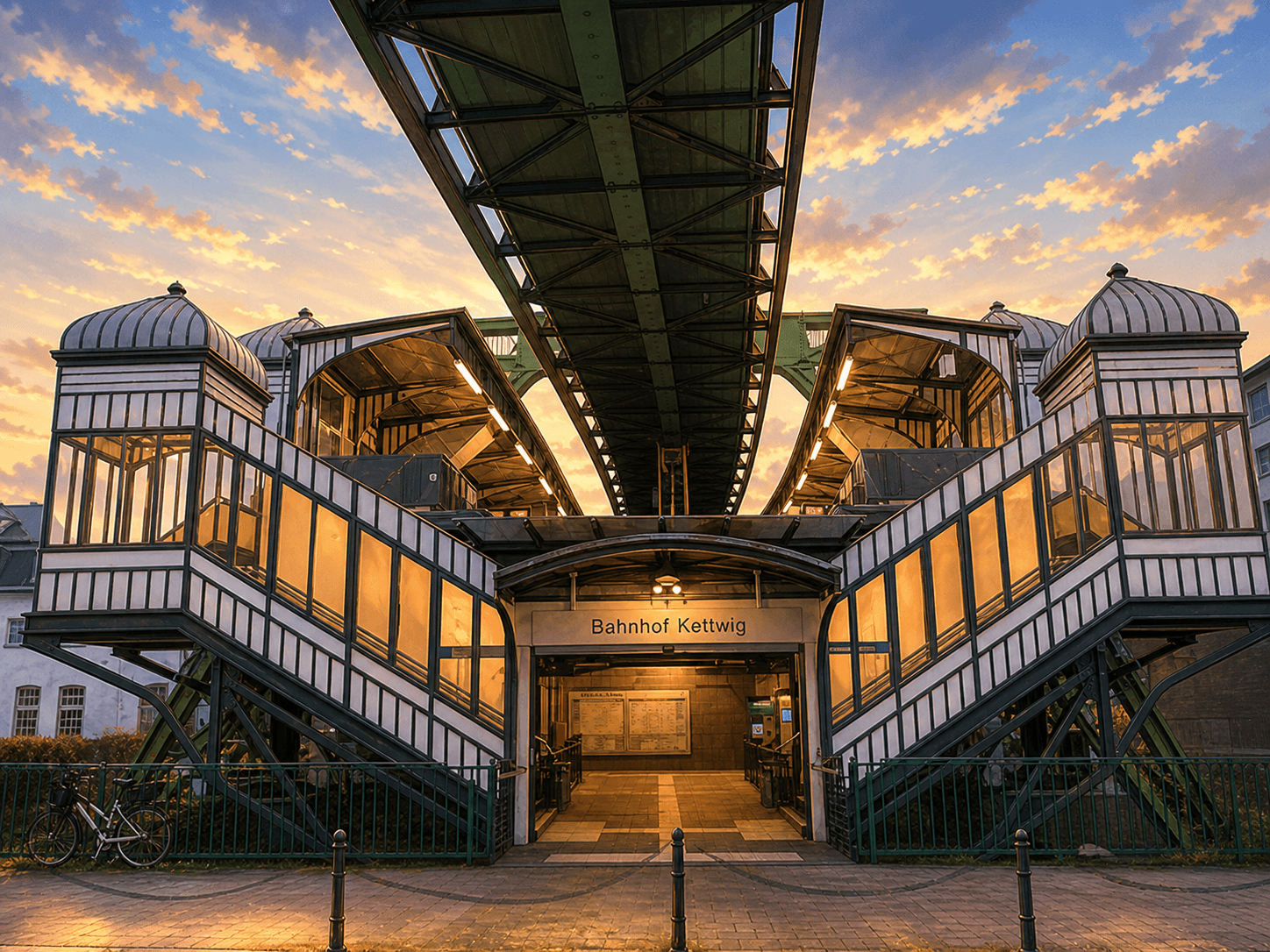
February 2026 brought important decisions on the budget, care planning, and transport policy in Wuppertal. Here is a monthly review of the most significant developments for citizens.
Wuppertal in February: Between Budget Emergency and Future Visions
What was important this month
- The draft budget for 2026/2027 continues to show a deficit of over 150 million euros – the city remains in a budget crisis.
- Wuppertal’s elderly and care planning is on track: 80 new care places are planned by 2030.
- The city is reducing 30 km/h zones – including on Elias-Eller-Straße and Loherstraße.
- The Citizen Participation Advisory Board has adopted new rules of procedure – more transparency is planned.
- Inclusive work in Wuppertal is being expanded – a barrier-free annual report is available online.
Budget: Between Deficits and Liquidity Loans
Wuppertal remains in a financial imbalance. The draft budget for 2026/2027 shows a deficit of 157.55 million euros for 2026 and 157.43 million euros for 2027. The investment plans remain high: 217.6 million euros for 2026 and 208.4 million euros for 2027.
The city has applied for liquidity loans totaling 851 million euros through the initiative “For the Dignity of Our Cities” to bridge the ongoing crisis. The draft of the budget security plan will be presented at the Council meeting on 26.01.2026 – an official approval by the municipal oversight authority is still pending.
The city’s current debt stands at 1.5 billion euros in liquidity loans. The local government financial crisis in North Rhine-Westphalia is worsening: total debts have increased by 6.1 billion euros to 55.4 billion euros.
Care Planning: On Track for 2030
The Local Elderly and Care Plan 2024 was unanimously recommended. The planning assumes that the aging population will mainly concentrate in the districts of Elberfeld, Barmen and Uellendahl-Katernberg by 2030.
The city plans to create 80 new full-time care places and 95 additional day-care places by 2030. The current number is 3,743 full-time care places and 951 care days in group care.
In addition, the Care Advisory Network has been dissolved, and the Annual Report of the Inclusion Office 2024/2025 has been published as a barrier-free PDF.
Traffic: 30 km/h Zones and E-Scooter Regulations
In the area of traffic management measures, Wuppertal has decided to expand the 30 km/h zones. New 30 km/h sections have been approved on Elias-Eller-Straße and Loherstraße/Rudolfstraße. In addition, the bus lane on Bundesallee/Kluse has been retained.
With regard to e-scooters, clear rules have been established, including strict enforcement of misconduct by the municipal authority. The city wants to increase road safety and at the same time establish a clear legal basis.
Citizen Participation: A Transparent Advisory Board
The Citizen Participation Advisory Board has adopted a revised rules of procedure based on the guidelines for citizen participation of the city. The board is an advisory body and does not have binding decision-making power. The new rules of procedure serve as a basis for the future and promote transparency and participation.
Inclusion: Barrier-Free Standards as the Norm
Inclusion and barrier-free access remain central topics in Wuppertal. The Advisory Board of People with Disabilities has called for future meetings and events to be designed in a barrier-free manner. The Inclusion Office has advised on topics such as barrier-free access since 2016 and supports small inclusion projects.
The Annual Report of the Inclusion Office 2024/2025 is available online as a barrier-free PDF – a step toward a more inclusive city society.
Outlook: Challenges and Opportunities
February 2026 shows: Wuppertal is facing major challenges – especially in budget and financial policy. At the same time, it becomes clear that the city is building on future visions: in care planning, inclusion work and citizen participation. The coming weeks will show whether the planned measures can cushion the pressure on the city – and whether Wuppertal can find a way out of the crisis.
NeoSearch analyses public council documents, committee minutes and municipal announcements. Source references appear automatically once verified meeting data is available.
What does this mean for businesses?
Municipal council decisions are early indicators: following the council agenda surfaces projects and tenders months before the official award — before they ever reach the procurement portals.
Track similar decisions in your region
Set up monitoring for Finance and Budget in Nordrhein-Westfalen — prefilled from this article.
Set up monitoring →More signals from Wuppertal
Sport Policy in Wuppertal: Renovations, Rehabilitation Sports, and AI in April 2026
In April 2026, Wuppertal focused on key decisions regarding its sports infrastructure and promotion. The Sports Committee approved renovation measures for several swimming pools, discussed rehabilitation sports offerings, and laid the first groundwork for the introduction of AI in the Schwimmoper. An overview.
Read more → Wuppertal: Financial Policy in Focus – Replacement of the Executive Board and Budget Process in April 2026
In April 2026, Wuppertal made important decisions in the area of finance and budgeting. The City Council decided on the replacement of the head of the financial administration within the Executive Board, with political debates and amendment proposals influencing the process. This article highlights the background, decisions, and implications of these processes.
Read more → Wuppertal in April 2026: A Mobility Debate in Transition
In April 2026, numerous topics in the field of mobility were at the center of attention in Wuppertal: station modernizations, replacement rail traffic, bicycle infrastructure, and traffic calming measures. Numerous citizen proposals and infrastructure projects show how the city is responding to challenges in the transportation sector.
Read more →