Wuppertal 2026: BUGA 2031 and the Transformation of Urban Development
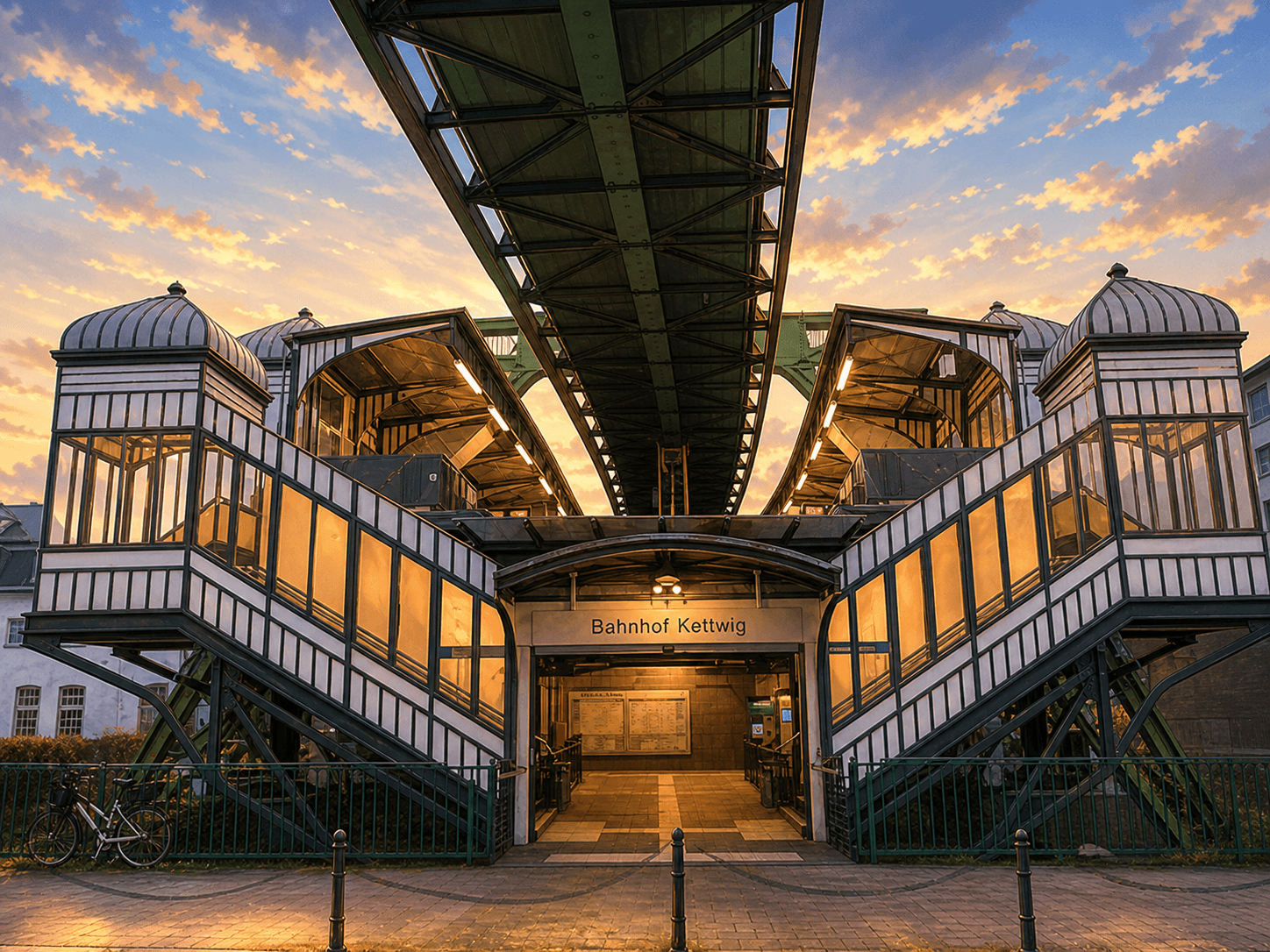
In March 2026, Wuppertal will intensify the planning of the Federal Garden Show 2031 while simultaneously setting impulses for the city’s long-term urban development. The focus lies on cooperation, infrastructure measures, and the inclusion of citizens in the process.
BUGA 2031: A Focus of Urban Planning
Planning for the Federal Garden Show 2031 (BUGA) is well underway in Wuppertal. The constitutive meeting of the BUGA Planning Advisory Board on March 16, 2026, marked a milestone in the preparations. During this meeting, not only were the coordinators introduced, but the current status was also reported and future events were presented.
The Planning Advisory Board, which plays a central role in the context of BUGA 2031, works closely with the BUGA Wuppertal 2031 gGmbH. Managing Director Susanne Brambora-Schulz presented the current status, which already includes extensive land acquisition and the involvement of experts. In addition, winners of the landscape planning competition were announced, including renowned landscape architects from Germany and abroad.
Infrastructure and Mobility: Challenges and Opportunities
A central aspect of the BUGA planning is mobility. With the mobility concept, commissioned in October 2025 and to be completed by the end of 2026, the city of Wuppertal aims to ensure that the arrival of visitors is optimally organized. Parking solutions are a particular focus.
In March, several citizen petitions regarding the use of parking areas were discussed, including the use of Clees company property. Although the proposal was rejected, it shows how sensitively the city handles land use. Instead, the mobility concept is continuing to explore alternatives, such as a large parking lot in the Buntenbeck industrial area. The parking spaces are also intended to be located near shuttle services or train stations to optimize travel times.
Another central topic is the Homannstraße bridge, which, due to its poor condition (rating of 3.8), requires renovation or replacement. The bridge plays an important role in the infrastructure around the BUGA sites, especially in relation to the Lokschuppen area. The financing of renovation or a new construction is currently part of the planning and will be considered in the budget plans.
Citizen Participation and Urban Visions
The inclusion of citizens in the BUGA planning is a central aspect of the preparations. Planned events in March/April 2026 will enable discussions on topics such as "Social BUGA" and "Cultural BUGA." In addition, a digital BUGA communication strategy is being developed to maintain a presence in the digital space.
BUGA 2031 also offers the opportunity to integrate urban structures such as the Homannstraße bridge into an overarching, future-oriented planning concept. The feasibility study emphasizes the importance of sustainable infrastructure and improved connections. With the ISEK Vohwinkel (Urban Development Concept), funding plans for infrastructure measures are already in progress, and BUGA funding is intended to enable sustainable financing.
Outlook: From BUGA to Long-Term Urban Development
BUGA 2031 is not only a major cultural event, but also a key driver for Wuppertal's urban development. It offers the opportunity to renovate existing infrastructure, create new connections, and develop long-term visions for the city.
The current planning shows that Wuppertal handles resources sensitively, takes citizen participation seriously, and at the same time focuses on sustainability and mobility. BUGA 2031 will not only bring the city into the spotlight for several years, but also serve as a milestone for future-oriented urban development.
NeoSearch analyses public council documents, committee minutes and municipal announcements. Source references appear automatically once verified meeting data is available.
What does this mean for businesses?
Urban development, zoning plans and commercial settlements create early construction and supply opportunities. Following council decisions reveals projects before they go to tender.
Track similar decisions in your region
Set up monitoring for economic development in Nordrhein-Westfalen — prefilled from this article.
Set up monitoring →More signals from Wuppertal
Sport Policy in Wuppertal: Renovations, Rehabilitation Sports, and AI in April 2026
In April 2026, Wuppertal focused on key decisions regarding its sports infrastructure and promotion. The Sports Committee approved renovation measures for several swimming pools, discussed rehabilitation sports offerings, and laid the first groundwork for the introduction of AI in the Schwimmoper. An overview.
Read more → Wuppertal: Financial Policy in Focus – Replacement of the Executive Board and Budget Process in April 2026
In April 2026, Wuppertal made important decisions in the area of finance and budgeting. The City Council decided on the replacement of the head of the financial administration within the Executive Board, with political debates and amendment proposals influencing the process. This article highlights the background, decisions, and implications of these processes.
Read more → Wuppertal in April 2026: A Mobility Debate in Transition
In April 2026, numerous topics in the field of mobility were at the center of attention in Wuppertal: station modernizations, replacement rail traffic, bicycle infrastructure, and traffic calming measures. Numerous citizen proposals and infrastructure projects show how the city is responding to challenges in the transportation sector.
Read more →