Social and Housing Affairs in Münster: Focus on Inclusion, Age-Friendliness, and New Structures
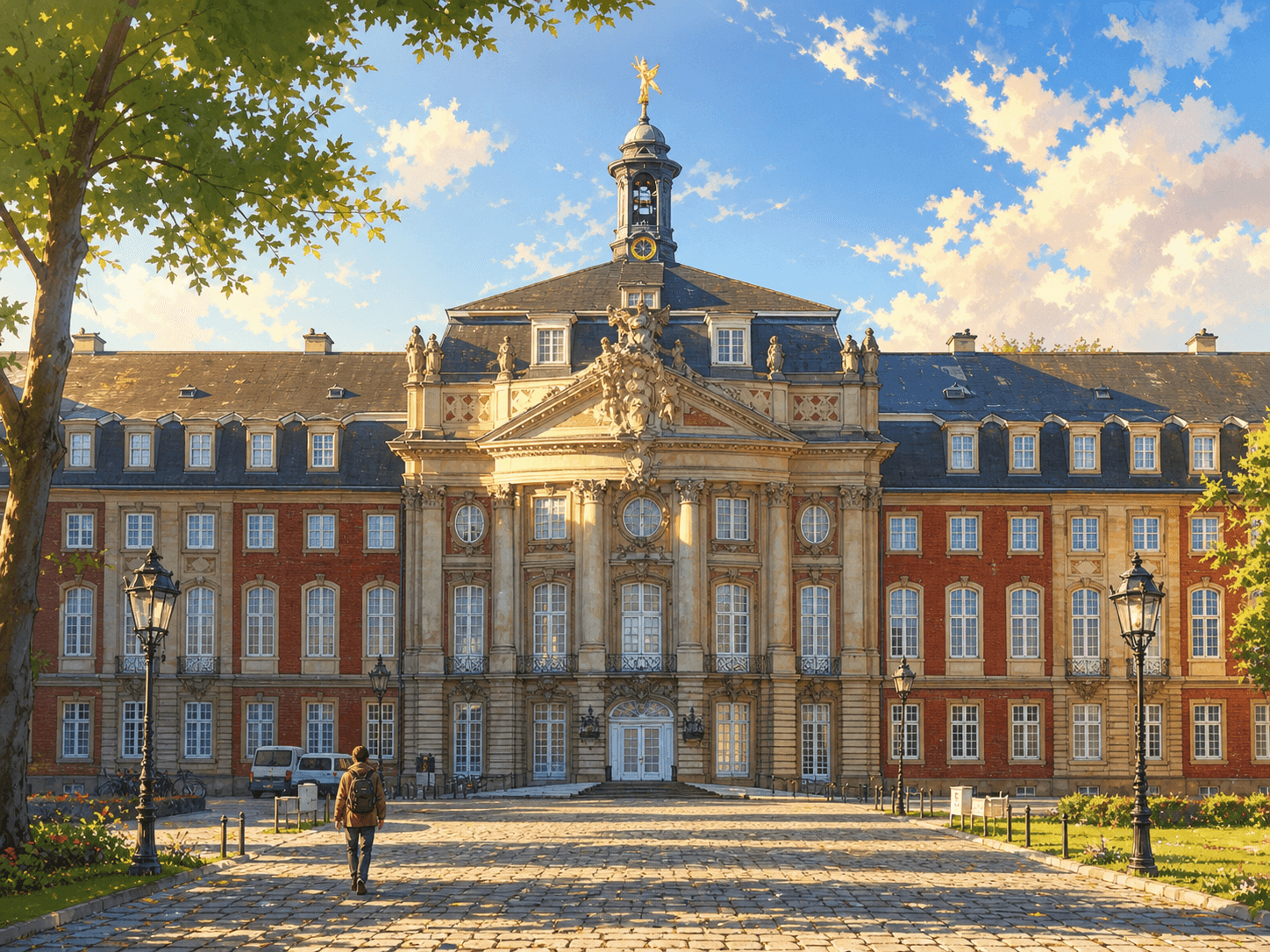
In January 2026, Münster made key decisions in the areas of social affairs and housing. Emphasis is placed on promoting inclusion projects, revitalizing the age-friendly city initiative, and implementing a new model project for support services. At the same time, a gap in healthcare provision is emerging in the Berg Fidel district. This blog provides a detailed overview.
Strengthening Inclusion: Support Program for People with Disabilities
Münster is investing in the empowerment and political participation of people with disabilities with an annual budget of 20,000 euros. The program aims to promote projects and activities that advance social integration. The funding guidelines are published on the homepage of the Social Affairs Office, including in plain language, to increase accessibility.
Applications can be submitted until March 31, 2026, giving interested parties sufficient time to develop and apply for projects. For questions, contact Mrs. Rüter, who can be reached by email and phone. This support program is a key milestone in Münster's efforts to create an inclusive urban society.
Revitalizing the Age-Friendly City Initiative
Münster has been a member of the WHO network "Global Network for Age-friendly Cities and Communities" since 2022. The initiative aims to improve the quality of life for older people through age-appropriate urban planning. Due to vacant positions, work on the age-friendly city was temporarily suspended. With the new appointment for the position of "Elderly Care Planning," the work can now resume.
A key milestone is the first meeting of the newly appointed advisory board for the "Age-Friendly City" on March 17, 2026. The advisory board consists of representatives from the administration, welfare organizations, and other actors in senior work. The Committee for Social Affairs, Health, Work, and Migration will be informed on further steps. The initiative reflects Münster's long-term commitment to remaining a livable city for all age groups.
Integrated Support Services: Structural Restructuring
Münster is implementing the project "Integrated Local Support Services" to establish a central point of contact for children and young people with disabilities. The goal is to unify responsibilities for participation services, which were previously divided according to the type of disability (Social Code Book VIII and IX). The project team, consisting of various city departments, already held its first information session for staff in November 2025.
The transformation project will run until mid-2027 and will be implemented independently of any pending federal legislation. In the long term, an efficiency gain is expected, which could result in cost savings in the field of support services. Simplifying structures is a decisive step to reduce administrative barriers for families and guardians.
Healthcare Under Pressure: Closure of the General Practice in Berg Fidel
The closure of the general practice in Berg Fidel from April 2026 casts a shadow on the healthcare situation in this district. The practice is the only easily accessible point of contact and will be closed due to a low number of patients and economic unviability. The city of Münster has no legal influence in this matter, as the licensing and establishment of medical practices are regulated by law.
As a countermeasure, it is being examined whether the location can be used temporarily, and a health kiosk is being developed as an alternative. However, this is not a long-term solution, especially for people with mobility impairments and households without a car. The closure highlights the challenges of medical care in rural and structurally disadvantaged districts of the city.
Outlook and Responsibility
Developments in the areas of social affairs and housing show how complex the challenges in Münster are. On the one hand, new structures are being created to improve inclusion and quality of life. On the other hand, structural bottlenecks such as medical care remain. The Committee for Social Affairs, Health, Work, and Migration plays a central role in steering these topics. The appointment of secretaries such as Mrs. Karin Weinlich and Daniela Noack strengthens administrative security.
Münster is moving towards an inclusive, age-friendly, and efficient social policy – but implementation also requires long-term planning and coordinated action areas. Looking ahead, it will be important to monitor how the projects take effect and whether gaps in healthcare and social services can be closed.
NeoSearch analyses public council documents, committee minutes and municipal announcements. Source references appear automatically once verified meeting data is available.
What does this mean for businesses?
Municipal council decisions are early indicators: following the council agenda surfaces projects and tenders months before the official award — before they ever reach the procurement portals.
Track similar decisions in your region
Set up monitoring for kommunale Projekte in Nordrhein-Westfalen — prefilled from this article.
Set up monitoring →More signals from Munster
Culture and Community in Münster: Theater and Historical Preservation in Focus
In April 2026, important decisions and developments in the field of culture and community were at the center of attention in Münster. The Cultural Committee intensely addressed the future of Theater Münster and the expansion of the expert advisory board for the historical site Villa ten Hompel.
Read more → Münster's Youth Policy in April 2026: Leisure Spots, Demonstrations, and Future Visions
In April 2026, youth policy topics such as leisure meeting points, demonstrations, and collaborations with political parties were at the center of the Youth Council's focus in Münster. This deep dive reveals which decisions were made and what challenges remain.
Read more → Münster Invests in Resuscitation and Care: Where State, Technology, and Society Must Collaborate
In April 2026, Münster will discuss key measures to strengthen the resuscitation chain and care provision. The goal is to increase survival rates in cases of cardiac arrest while securing the care infrastructure for the future.
Read more →