Münster's Social and Housing Policy in Focus – February 2026
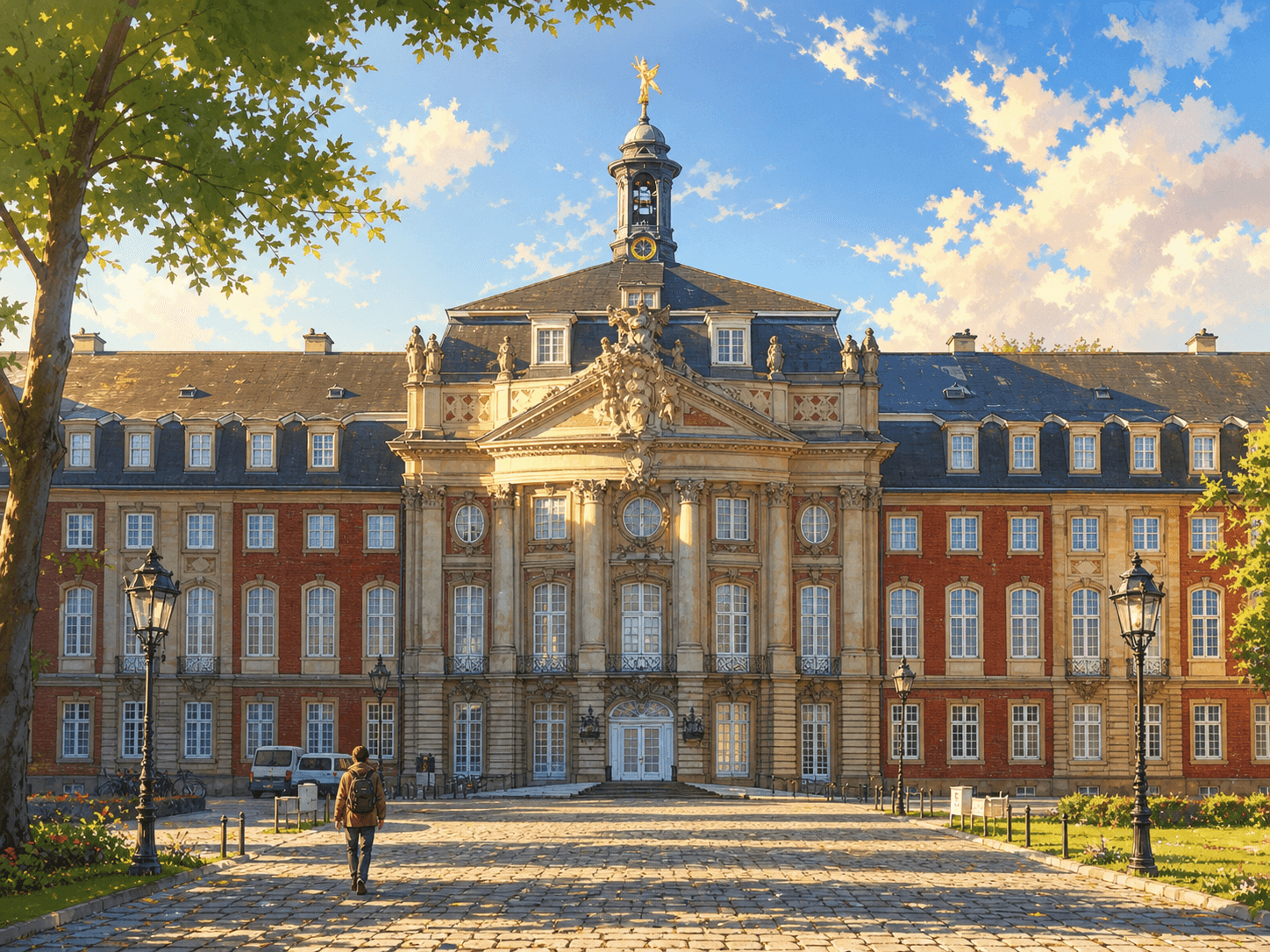
In February 2026, important decisions in the field of social affairs and integration were at the forefront in Münster. The Committee for Equal Opportunities and Integration presented, among other things, the 2026 labor market program and the report on the implementation of the Participation Opportunities Act. These developments show how the city deals with social inequality and integration processes.
Social Justice and Integration in Münster: A Political Assessment
In 2026, social affairs and integration remain a central issue in Münster. The city is pursuing a clear strategic direction through programs such as the 2026 Labor Market and Integration Program of the employment office and the implementation of the Participation Opportunities Act. These measures reflect the challenges that cities like Münster face in the context of migration, labor market transformation, and social inequality.
2026 Labor Market Program: Integration as an Investment
The Labor Market and Integration Program for 2026 is a key component of the city's social policy strategy. It is supported by a variety of funding sources, including cost reimbursements and cost levies. According to the budget plans, revenues of 12.48 million euros and expenditures of 13.32 million euros are planned, resulting in a balance of just under 845,000 euros.
The program is not only a financial plan but also a strategic instrument for promoting labor market integration. It is intended as a guide for staff at the employment office and provides transparency for local actors and the public.
In addition, the city council has committed to providing up to 100,000 euros from municipal funds in the event that the integration measures funded by the federal government are exceeded. This shows that Münster is willing to take financial responsibility for integration.
Participation Opportunities Act: A Model for Employment Promotion
The implementation of the Participation Opportunities Act in Münster is another milestone in the city's social and labor market policy strategy. The goal is to provide long-term unemployed individuals and long-term benefit recipients with publicly funded employment opportunities.
For this purpose, 40 full-time equivalents (FTEs) have been established in the city administration, offering up to 86 different deployment opportunities in administrative, technical, social, and cultural areas. In total, 79 employees have been hired under §§ 16e and 16i of the SGB II since the implementation began. Currently, 20 of them are employed, with 90% supported under § 16i SGB II.
The employees receive accompanying coaching through the Municipal Employment Service Center, and there are already initial successes: 19 employees have been transferred to non-funded employment relationships. This development underscores the importance of structured employment programs in social policy.
Integration Monitoring: Transparency and Long-Term Planning
Another important tool is the Integration Monitoring conducted by the city of Münster. It serves the continuous observation of the political, legal, and social integration of people with a migration background. The structure of the monitoring has been continued since 2010 and is supplemented by an ongoing set of indicators.
The current edition of the monitoring (2024/2025) also takes into account the next update of the city's migration vision, which was adopted in February 2025. The aim of the monitoring is to make long-term developments transparent and comparable. This is particularly important in a city like Münster, which sees itself as an open and globally oriented city.
Grants for Cultural and Social Projects
In addition to political and economic measures, Münster is also investing in cultural and social projects to promote integration. In February 2026, for example, grants of 2,450 euros were approved for events such as the "International Summer Festival" or the promotion of African dance culture.
The projects range from cultural festivals to intercultural exchange events. They help to celebrate the city's diversity while also enabling social participation. With a total budget of 29,440 euros for grants in 2026, Münster demonstrates that it understands investments in cultural education and social integration as long-term values.
Outlook: Integration as a Future Challenge
The developments in Münster show that social affairs and integration in the city are not only seen as a social obligation but as a central future challenge. The implementation of the Participation Opportunities Act, the 2026 Labor Market Program, and the Integration Monitoring are examples of how policy and practice can be aligned.
In the coming months, it will be particularly important to monitor the successes of the current measures and, if necessary, to refine them. The question of how financial support for social projects can be secured in the long term remains central. Münster, however, proves that it is possible to actively address social challenges with strategic programs and transparent planning.
NeoSearch analyses public council documents, committee minutes and municipal announcements. Source references appear automatically once verified meeting data is available.
What does this mean for businesses?
Municipal council decisions are early indicators: following the council agenda surfaces projects and tenders months before the official award — before they ever reach the procurement portals.
Track similar decisions in your region
Set up monitoring for kommunale Projekte in Nordrhein-Westfalen — prefilled from this article.
Set up monitoring →More signals from Munster
Culture and Community in Münster: Theater and Historical Preservation in Focus
In April 2026, important decisions and developments in the field of culture and community were at the center of attention in Münster. The Cultural Committee intensely addressed the future of Theater Münster and the expansion of the expert advisory board for the historical site Villa ten Hompel.
Read more → Münster's Youth Policy in April 2026: Leisure Spots, Demonstrations, and Future Visions
In April 2026, youth policy topics such as leisure meeting points, demonstrations, and collaborations with political parties were at the center of the Youth Council's focus in Münster. This deep dive reveals which decisions were made and what challenges remain.
Read more → Münster Invests in Resuscitation and Care: Where State, Technology, and Society Must Collaborate
In April 2026, Münster will discuss key measures to strengthen the resuscitation chain and care provision. The goal is to increase survival rates in cases of cardiac arrest while securing the care infrastructure for the future.
Read more →