Münster's Climate Protection Offensive: Progress, Challenges, and Priorities in February 2026
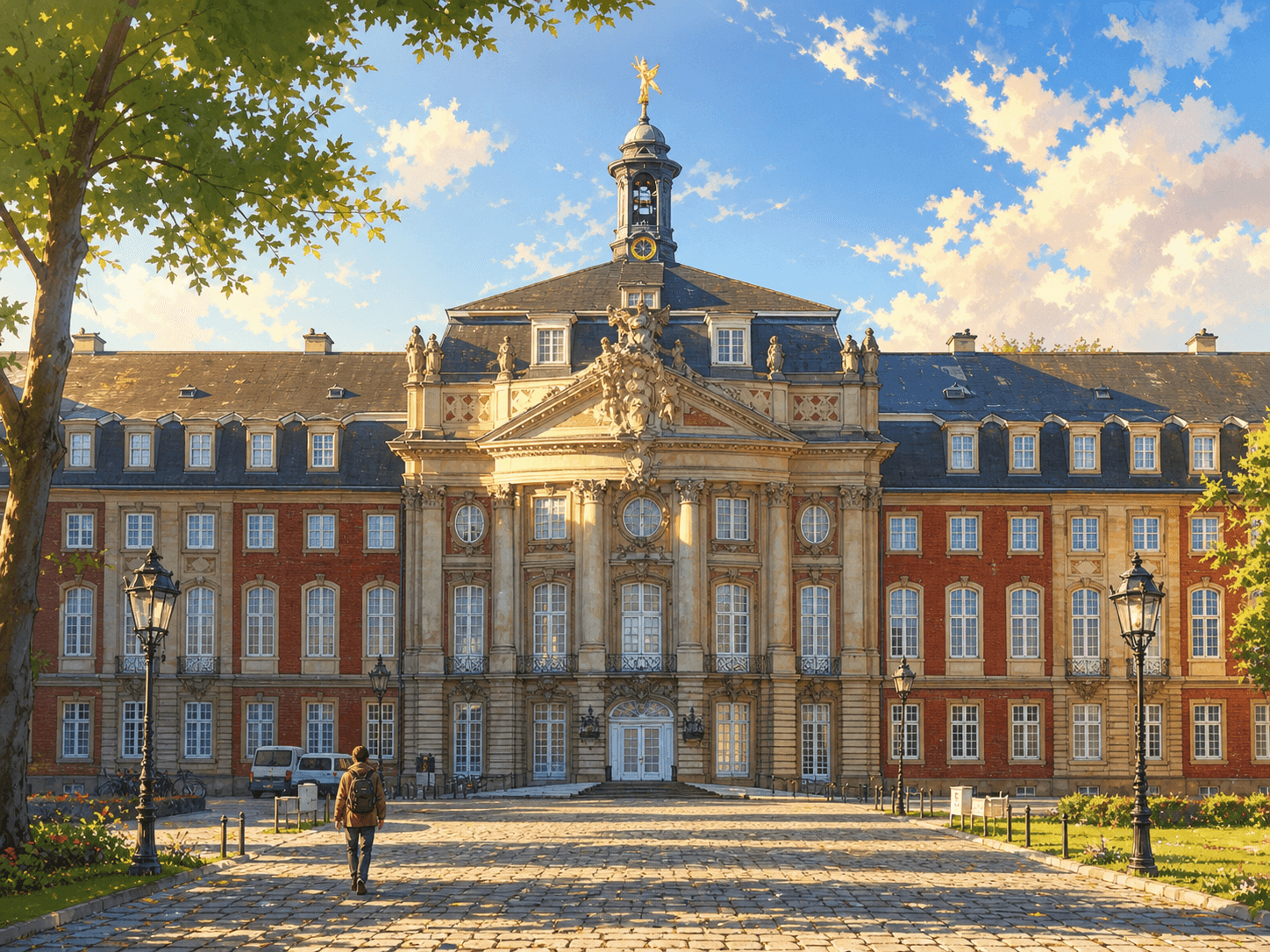
In February 2026, Münster made key decisions and held important discussions in the area of environment and climate. The Committee for Environmental Protection, Climate Protection, and Construction engaged intensively with municipal climate accounting, the resilience strategy for the Aasee lake, and the adjustment of lighting along the canal promenade. This blog post highlights the backgrounds, decisions, and implications of these topics.
Climate Accounting 2025: Realistic Intermediate Goals and Cost-Benefit Analyses
Münster has set a clear goal: climate neutrality by 2030. Yet reality shows that this goal cannot be achieved with municipal resources alone. In the Committee for Environmental Protection, Climate Protection, and Construction, a motion for amendment was submitted aiming for a more differentiated approach to municipal climate accounting.
The administration is tasked with clearly distinguishing in the future between emissions reductions that are within the municipality's influence and those dependent on external factors. The focus lies on action areas such as the city's building stock, infrastructure, and measures that the Council and administration can directly control. In addition, a binding efficiency assessment is planned, which will outline for each measure the expected CO₂ savings, the costs per ton of CO₂, and the time of impact.
This new orientation of climate accounting is necessary to set priorities, especially in times of limited resources. The city aims to avoid future projects with low or uncertain climate impact and to focus instead on investments addressing renovation backlogs, high efficiency, and quick results.
Aasee: Renovation and Resilience in Climate Adaptation
The Aasee is not only a popular local recreation area but also a sensitive ecosystem that must adapt to significant climatic changes. In February 2026, the continuation of the resilience strategy and action plan for the Aasee was unanimously approved.
The measures include, among others, the installation of 12 aeration devices, the creation of reed zones, and the removal of white fish to regulate fish biomass. The costs for renovation and maintenance amount to approximately 130,000 euros annually, divided between consumptive and investment funds.
A central tool is the ecological simulation model of the Aasee, completed in 2025 and supporting the planning of future measures. In addition, an annual status report is prepared and presented in the Committee for Environmental Protection, Climate Protection, and Construction.
These measures not only contribute to climate adaptation but also strengthen the overall climate resilience of the city.
Adaptive Lighting of the Canal Promenade: Balancing Nature Conservation and Usability
Adaptive lighting along the canal promenade was another focus of the committee meeting. The goal was to find a balance between nature conservation aspects and the usability of the route for cyclists.
The current regulation provides for year-round lighting from 5 am to sunrise and from sunset to 12 am. Between 12 am and 5 am, the lighting is switched off. In the particularly species-protected area of the Rieselfelder, the lighting is completely turned off.
Research projects showed that shorter activation times or different light colors do not significantly reduce disturbance to bats. Therefore, it was decided to unify the switching times for all sections to improve usability and clarity.
The proposed switching times were unanimously rejected, indicating that the current regulation is in consensus.
Outlook: Climate Protection as a Central Action Field
The decisions and discussions in February 2026 show that Münster is consciously focusing on climate protection as a central action field. The city has set clear priorities to achieve climate neutrality by 2030.
Yet the path is long and full of challenges. Financing, coordination with external partners, and the long-term implementation of measures are decisive factors. In addition, public participation and political will are crucial to making the climate offensive a success.
Münster has already taken important steps with municipal climate accounting and the resilience strategy for the Aasee. The coming months will show whether these measures can effectively combat climate change.
NeoSearch analyses public council documents, committee minutes and municipal announcements. Source references appear automatically once verified meeting data is available.
What does this mean for businesses?
Municipal heat planning, photovoltaics and climate measures create early project indicators. Following council decisions surfaces sites and tenders before they are publicly advertised.
Track similar decisions in your region
Set up monitoring for environment & climate in Nordrhein-Westfalen — prefilled from this article.
Set up monitoring →More signals from Munster
Culture and Community in Münster: Theater and Historical Preservation in Focus
In April 2026, important decisions and developments in the field of culture and community were at the center of attention in Münster. The Cultural Committee intensely addressed the future of Theater Münster and the expansion of the expert advisory board for the historical site Villa ten Hompel.
Read more → Münster's Youth Policy in April 2026: Leisure Spots, Demonstrations, and Future Visions
In April 2026, youth policy topics such as leisure meeting points, demonstrations, and collaborations with political parties were at the center of the Youth Council's focus in Münster. This deep dive reveals which decisions were made and what challenges remain.
Read more → Münster Invests in Resuscitation and Care: Where State, Technology, and Society Must Collaborate
In April 2026, Münster will discuss key measures to strengthen the resuscitation chain and care provision. The goal is to increase survival rates in cases of cardiac arrest while securing the care infrastructure for the future.
Read more →