Münster's Governance and Administration in January 2026: Structural Adjustments, Equality, and Waste Management
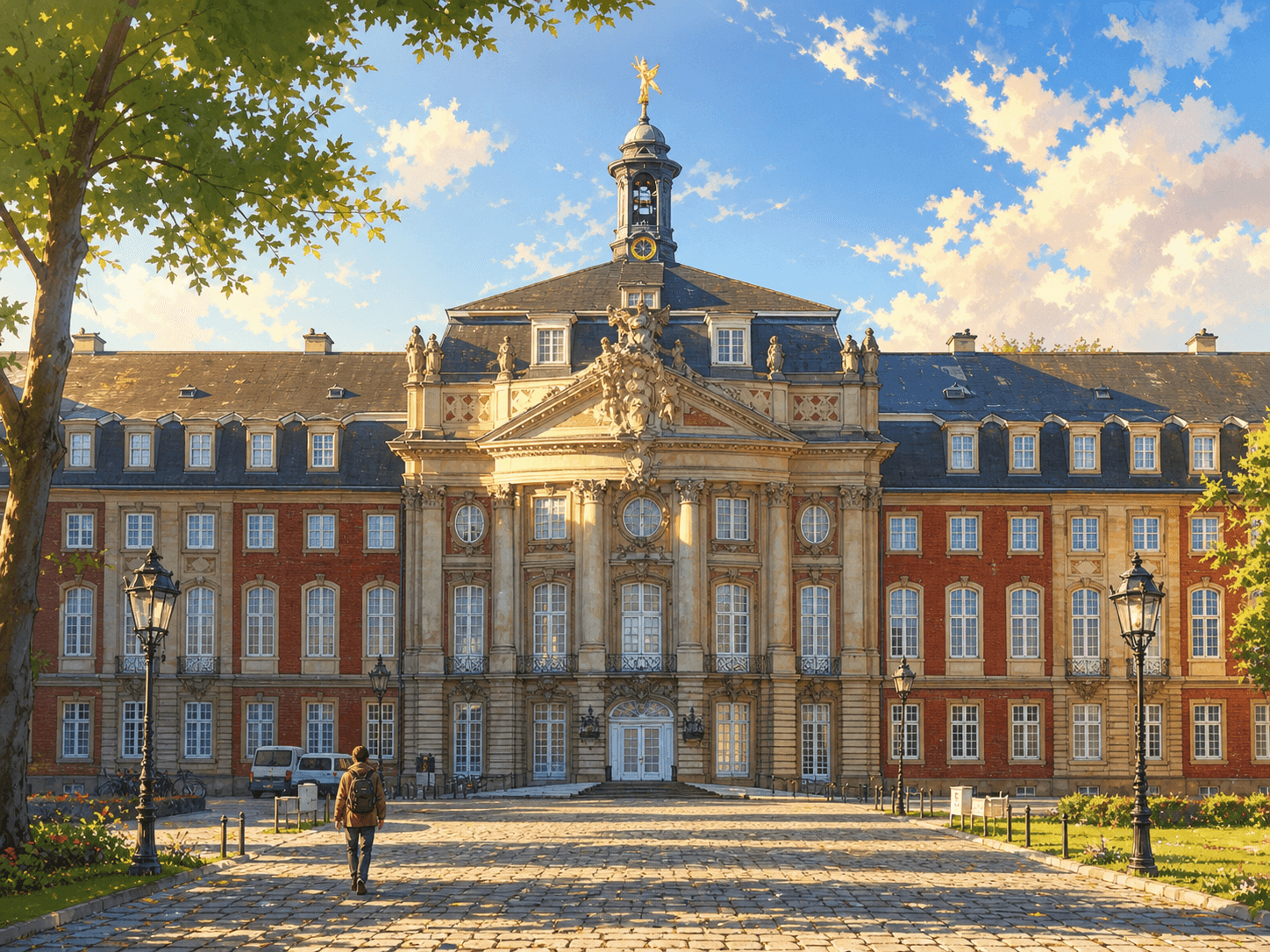
In January 2026, Münster experienced structural changes in its administration, the implementation of the Istanbul Convention, and personnel adjustments in waste management. The Equality Committee set priorities for the year 2026, while the awm responded to growing challenges.
Governance Decisions and Administrative Structures in Münster
In January 2026, the city administration of Münster showed clear movement in both equality work and waste management. Several committees convened to address current challenges, optimize structures, and define political priorities. Topics ranged from the implementation of international human rights conventions to personnel adjustments in the waste management sector.
Equality: Structure and Future Perspectives
The Equality Committee met on January 15, 2026, to plan its work for the year 2026. A central focus was the implementation of the Istanbul Convention, for which a final report was presented. The action plan to combat violence against women and domestic violence bundles measures in coordination, prevention, protection, and awareness-raising.
Another key topic was the appointment of a scribe for the committee, with Markus Chmielorz and Antje Schmidt-Schleicher being appointed. This decision was made in accordance with the municipal code and serves to document the committee's work. New members were also sworn in, and discussions took place regarding projects such as swimming times for FINT at municipal swimming pools.
Looking ahead, it was decided to present a report on gender-specific crimes in May and to invite experts. Chmielorz also announced a discussion on "Behavior in the Equality Committee," with a focus on discussion culture and break rules.
Funding and Time Limits: Clarity for Project Providers
The equality action plan is not only a political signal but also comes with concrete funding. Münster has established clear rules for the adjustment and time limits of funding. Personnel cost shares are adjusted annually by 2 percent, with adjustments possible in the event of collective agreements.
Funding from the Office for Equality typically amounts to 90 percent, although some projects are limited to operational costs. The time limits vary depending on the type of funding: long-term funding up to 10 years, projects up to three years, and other funding up to six years. Exceptions to time limits are mandatory services under the Istanbul Convention, such as counseling centers.
This structure ensures transparency and planning security for project providers, but it also presents a challenge, as dual budget planners must plan one to two years in advance of the funding period's expiration.
Waste Management: Personnel Adjustments and New Challenges
There were also personnel and structural adjustments in waste management (awm). The operational committee met on January 22, 2026, to discuss key topics such as the establishment of a building technician position at the Recycling and Disposal Center (REZ) and the hiring of additional site attendants.
The decision to lift the hold on five positions is due to increasing workloads: population growth, new residential areas, and construction sites are raising demands on staff. Moreover, the establishment of a building technician position at the REZ is considered necessary to reduce external costs and ensure operational safety.
Another topic was the removal of electrical scrap containers, which led to discussion due to poor accessibility and a lack of alternatives. The proposal for monthly centralized drop-off opportunities via the electrical collection vehicle was supported to prevent illegal disposal.
Outlook: Structural Adjustments as the Key to Future Viability
The governance decisions in Münster in January 2026 show that the city is actively adapting to changing conditions. In equality work, it is relying on long-term structures and transparency, while waste management is responding to growing challenges and ensuring personnel flexibility.
The city's future viability is heavily dependent on its ability to adapt political and administrative structures to new requirements. In this January, Münster has shown that it not only reacts to current problems but also plans for sustainable solutions—whether through expert involvement, clear time-limit regulations, or investments in personnel.
NeoSearch analyses public council documents, committee minutes and municipal announcements. Source references appear automatically once verified meeting data is available.
What does this mean for businesses?
Town halls, fire stations, depots and administrative buildings create early construction and refurbishment opportunities. Following council agendas reveals projects before they go to tender.
Track similar decisions in your region
Set up monitoring for public buildings & administration in Nordrhein-Westfalen — prefilled from this article.
Set up monitoring →More signals from Munster
Culture and Community in Münster: Theater and Historical Preservation in Focus
In April 2026, important decisions and developments in the field of culture and community were at the center of attention in Münster. The Cultural Committee intensely addressed the future of Theater Münster and the expansion of the expert advisory board for the historical site Villa ten Hompel.
Read more → Münster's Youth Policy in April 2026: Leisure Spots, Demonstrations, and Future Visions
In April 2026, youth policy topics such as leisure meeting points, demonstrations, and collaborations with political parties were at the center of the Youth Council's focus in Münster. This deep dive reveals which decisions were made and what challenges remain.
Read more → Münster Invests in Resuscitation and Care: Where State, Technology, and Society Must Collaborate
In April 2026, Münster will discuss key measures to strengthen the resuscitation chain and care provision. The goal is to increase survival rates in cases of cardiac arrest while securing the care infrastructure for the future.
Read more →