Münster invests in green and inclusive neighborhoods – Focus on urban development and construction in February 2026
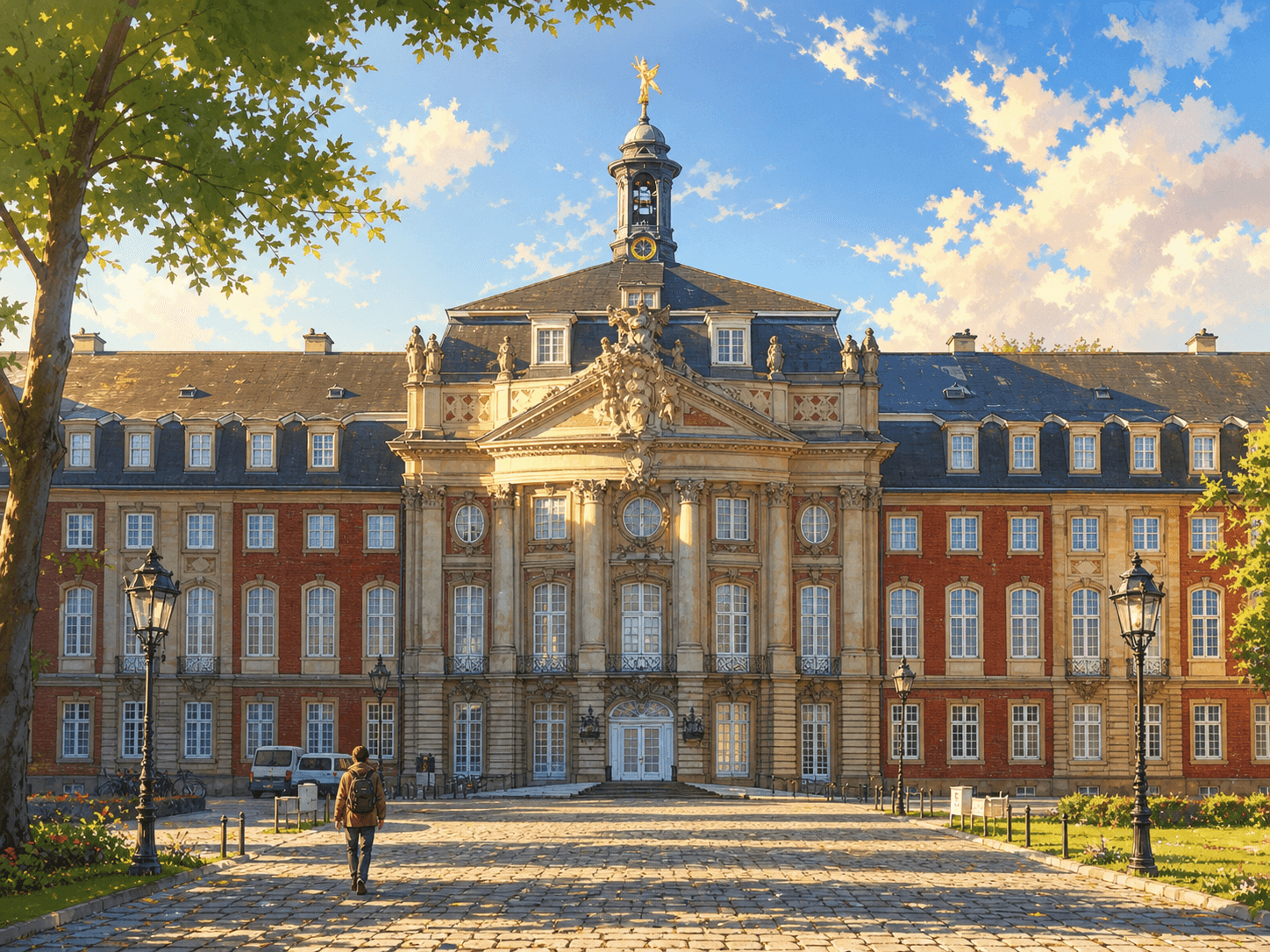
In February 2026, Münster set new standards in urban development. With projects such as the Martiniviertel and the Apostelgarten, the city shows how modern cities can be transformed into green, inclusive, and climate-friendly environments. An in-depth look at the decisions, finances, and future visions.
Münster invests in green and inclusive neighborhoods – Focus on urban development and construction in February 2026
Münster has established itself as a pioneer in sustainable urban development in recent years. In February 2026, the city once again set new benchmarks with a wide range of decisions and investments. The focus was on the revitalization of historical centers, the promotion of climate protection, the creation of barrier-free spaces, and the inclusion of citizens in the planning process. Central projects such as the Martiniviertel and the Apostelgarten demonstrate how Münster is addressing future challenges – housing, climate change, and inclusion.
Martiniviertel: A new urban space for everyone
The Martiniviertel is not only a flagship project for the development of Münster's city center, but also a milestone in the redesign of public spaces. With the goal of creating a barrier-free, green, and traffic-calmed area, the district will undergo a comprehensive redesign in the coming years. The investment amounts to a total of 7.068 million euros, with approximately 4.112 million euros coming from funding sources.
The redesign includes not only the renewal of sidewalks and the creation of green spaces, but also the installation of rainwater management systems that strengthen climate protection. Inclusive design is a central concern: lifts in multi-family houses, wide sidewalks, and barrier-free playgrounds are intended to ensure access for all citizens.
The Martiniviertel Neighborhood Association, which has now been established, will serve as a central contact point for residents, businesses, and the administration. This improves communication and strengthens the sustainability of the measures.
Apostelgarten: From parking lot to multifunctional urban space
Another highlight in Münster's urban development is the redesign of the Apostelgarten. The former parking lot will be transformed into a multifunctional, green recreational area. The goal is to create an inclusive, non-commercial space for play, movement, and social interaction.
The planning process was strongly participatory: churches, associations, residents, and experts were included in the process. The results were incorporated into a detailed concept presented publicly in May 2025. In the future, the Apostelgarten will feature seating and table areas, a sandbox, a Bobby-car track, and a hydrangea bed. The integration of the Apostelkirche (Apostle Church) into the overall concept also strengthens the cultural identity of the district.
Münster is also relying on ecological and climate-friendly measures here: the unsealing of the parking lot, the use of permeable materials, and the replanting of trees contribute to the reduction of heat stress and the improvement of the microclimate.
Financing and investment planning: Sustainability with calculation
The financing of urban development is a central aspect that is carefully planned both politically and economically. In the case of the Martiniviertel, the city will make investments until 2028, supported by state funds to be paid out until 2029. However, follow-up costs of 133,020 euros per year will arise from 2029 onward, underscoring the importance of long-term planning.
Within the 2026 economic plan, the financial framework for Münster Marketing was also expanded. Reserves and cash flow from liquidity reserves ensure the implementation of the measures. The city is actively investing in the expansion of district heating and power networks, which serve as the foundation for future construction projects.
Mobility and traffic: Slow down, rethink spaces
Münster is also focusing on a radical redesign of its mobility concept in February 2026. In the Hörsterstraße, for example, through traffic will be closed, allowing only loading and delivery traffic. Speed limits of 20 km/h and barrier-free sidewalks ensure safety and accessibility.
In the Martiniviertel and Stiftsherrenstraße, cycling is also being promoted: bidirectional use, 213 bicycle parking spaces, and 18 e-scooter parking spaces are intended to facilitate the switch to environmentally friendly mobility. The Altstadt/Bült station remains central, while other lines are rerouted to optimally integrate public transport.
Outlook to the future: Münster as a model city for inclusive and sustainable urban development
The decisions made in February 2026 show that Münster is not only reacting but actively shaping the future. The city is relying on participatory planning, ecological materials, and inclusive architecture – not just in theory, but with concrete projects and financial plans. The redesign of the Martiniviertel and the Apostelgarten are not only local projects but also part of the INSEK Münster-Innenstadt (M3.34), which is to be implemented by 2027.
Although some points of criticism, such as the lack of barrier-free toilets in the Apostelgarten, have been noted, Münster shows that urban development can be transparent, inclusive, and sustainable. With investments in green spaces, mobility, and housing, Münster is not only becoming a more livable city but also a future-ready one.
NeoSearch analyses public council documents, committee minutes and municipal announcements. Source references appear automatically once verified meeting data is available.
What does this mean for businesses?
Town halls, fire stations, depots and administrative buildings create early construction and refurbishment opportunities. Following council agendas reveals projects before they go to tender.
Track similar decisions in your region
Set up monitoring for public buildings & administration in Nordrhein-Westfalen — prefilled from this article.
Set up monitoring →More signals from Munster
Culture and Community in Münster: Theater and Historical Preservation in Focus
In April 2026, important decisions and developments in the field of culture and community were at the center of attention in Münster. The Cultural Committee intensely addressed the future of Theater Münster and the expansion of the expert advisory board for the historical site Villa ten Hompel.
Read more → Münster's Youth Policy in April 2026: Leisure Spots, Demonstrations, and Future Visions
In April 2026, youth policy topics such as leisure meeting points, demonstrations, and collaborations with political parties were at the center of the Youth Council's focus in Münster. This deep dive reveals which decisions were made and what challenges remain.
Read more → Münster Invests in Resuscitation and Care: Where State, Technology, and Society Must Collaborate
In April 2026, Münster will discuss key measures to strengthen the resuscitation chain and care provision. The goal is to increase survival rates in cases of cardiac arrest while securing the care infrastructure for the future.
Read more →