Culture and Community in Münster: March 2026 in Focus
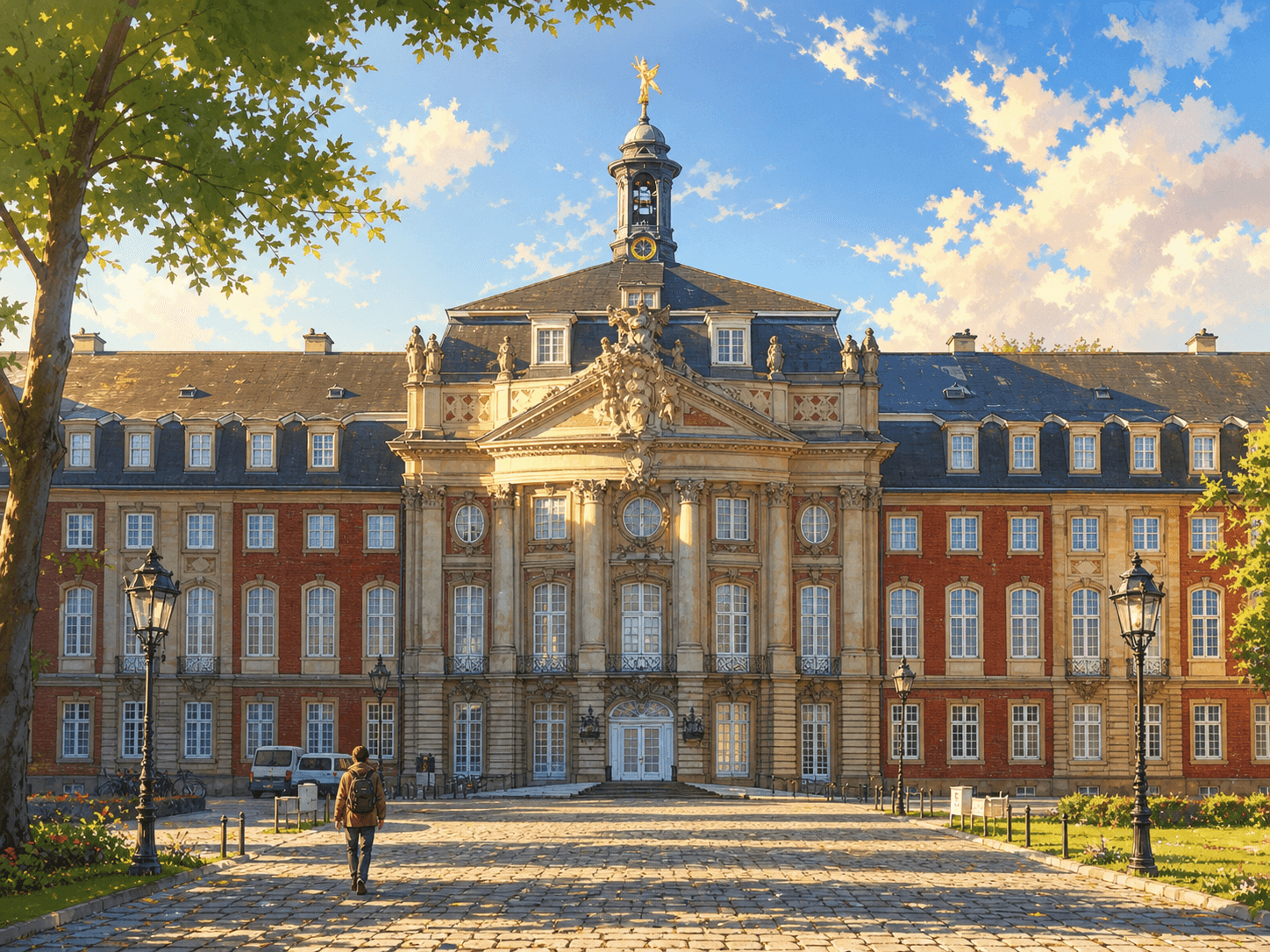
In March 2026, Münster set several milestones in cultural and community policy. From the implementation of the NS-Raubgut arbitration process to the introduction of the KULTICK ticket and the renovation of the York district – the month demonstrated how the city is strengthening and making its cultural identity more accessible.
Cultural Policy as a Bridge Between Past and Future
In March 2026, Münster positioned itself as an active player in cultural and social development. Through a range of decisions and projects, the city not only enriched its cultural landscape but also took on social responsibility. Particularly striking is how closely the topics of remembrance culture, cultural participation, and spatial development are interlinked – three pillars that define Münster as a vibrant and open-minded city.
NS-Raubgut: A Step Toward a Fair Solution
In March 2026, the Cultural Committee unanimously decided to make a “standing offer” to conclude an arbitration agreement in connection with NS-Raubgut (cultural goods looted during the Nazi era). This is part of a nationwide arbitration process, which has been active since December 2025 and aims for legally binding decisions.
The arbitration of NS-Raubgut is an advancement of the Advisory Commission on NS-Raubgut, which has existed since 2003 and has not yet issued legally binding recommendations. With the new structure, based in Berlin, and financial support from the federal government and the states, Münster is now actively intervening in the search for fair solutions.
By doing so, the city not only agrees to an active role in dealing with its NS past but also emphasizes that cultural remembrance work has a firm place in urban planning and administration. The arbitration agreement is another piece in Münster’s long-term approach to dealing with its past, characterized by transparency, commitment, and responsibility.
KULTICK: Cultural Participation for Young People
Another central project that advanced further this month is the KULTICK – a cultural ticket for young people. With funding of 50,000 euros for 2023 and 100,000 euros annually from 2024 to 2026, Münster launched a pilot project that significantly improves access to cultural offerings for students.
KULTICK is a physical ticket with an anonymous QR code that grants entry to museums, theaters, cinemas, and VHS courses. The city library is the central partner of the project and has already distributed 42,000 tickets to 89 schools. By the end of January 2026, 2,572 KULTICKs had been registered as library cards, with the Northeast and West areas being particularly heavily used.
Although the project has proven itself in the introduction phase, there are challenges – such as technical limitations in online booking or heterogeneity in access conditions. Improvements are planned for 2026, including a revision of the website, stronger use of TikTok, and the acquisition of additional cultural partners such as the LWL Museums or the Cineplex.
KULTICK is not only an instrument for cultural participation but also a model for other cities – and proof that cultural inclusion is politically feasible.
Encounter and Democracy Center in the York District: Culture in the Urban Space
Another project that significantly advanced this month is the renovation of the former Officers’ Club York into the “Encounter and Democracy Center in the York District.” With a budget of up to 5 million euros from the federal program “National Urban Development Projects 2024 (NPS),” the building will be transformed into a multifunctional center for encounters, education, and culture.
The project not only aims for barrier-free and energy-efficient renovation but also for the development of a memorial site within the framework of “Democracy Remembrance Culture.” The inclusion of the future operator association in the planning is a central aspect, just as is the development of a civic usage and operations concept.
The Encounter and Democracy Center is an example of how cultural spaces can also become politically active – as places where democracy, remembrance, and participation intersect.
Conclusion: Culture as a Social Engine
March 2026 has shown how diverse and central cultural policy is in Münster. Whether in dealing with the NS past, supporting young artists, or creating new cultural spaces – the city uses culture as a tool for social change.
The decisions made by the Cultural Committee and the projects advanced this month show that Münster is not only a culturally vibrant city but also a responsible one. The future of culture in Münster will be shaped by participation, remembrance, and accessibility – three values that were particularly evident in March 2026.
NeoSearch analyses public council documents, committee minutes and municipal announcements. Source references appear automatically once verified meeting data is available.
What does this mean for businesses?
Municipal council decisions are early indicators: following the council agenda surfaces projects and tenders months before the official award — before they ever reach the procurement portals.
Track similar decisions in your region
Set up monitoring for Culture and Community in Nordrhein-Westfalen — prefilled from this article.
Set up monitoring →More signals from Munster
Culture and Community in Münster: Theater and Historical Preservation in Focus
In April 2026, important decisions and developments in the field of culture and community were at the center of attention in Münster. The Cultural Committee intensely addressed the future of Theater Münster and the expansion of the expert advisory board for the historical site Villa ten Hompel.
Read more → Münster's Youth Policy in April 2026: Leisure Spots, Demonstrations, and Future Visions
In April 2026, youth policy topics such as leisure meeting points, demonstrations, and collaborations with political parties were at the center of the Youth Council's focus in Münster. This deep dive reveals which decisions were made and what challenges remain.
Read more → Münster Invests in Resuscitation and Care: Where State, Technology, and Society Must Collaborate
In April 2026, Münster will discuss key measures to strengthen the resuscitation chain and care provision. The goal is to increase survival rates in cases of cardiac arrest while securing the care infrastructure for the future.
Read more →