Housing Construction Acceleration and Mobility Turnaround in Hagen: The Key Developments in February 2026
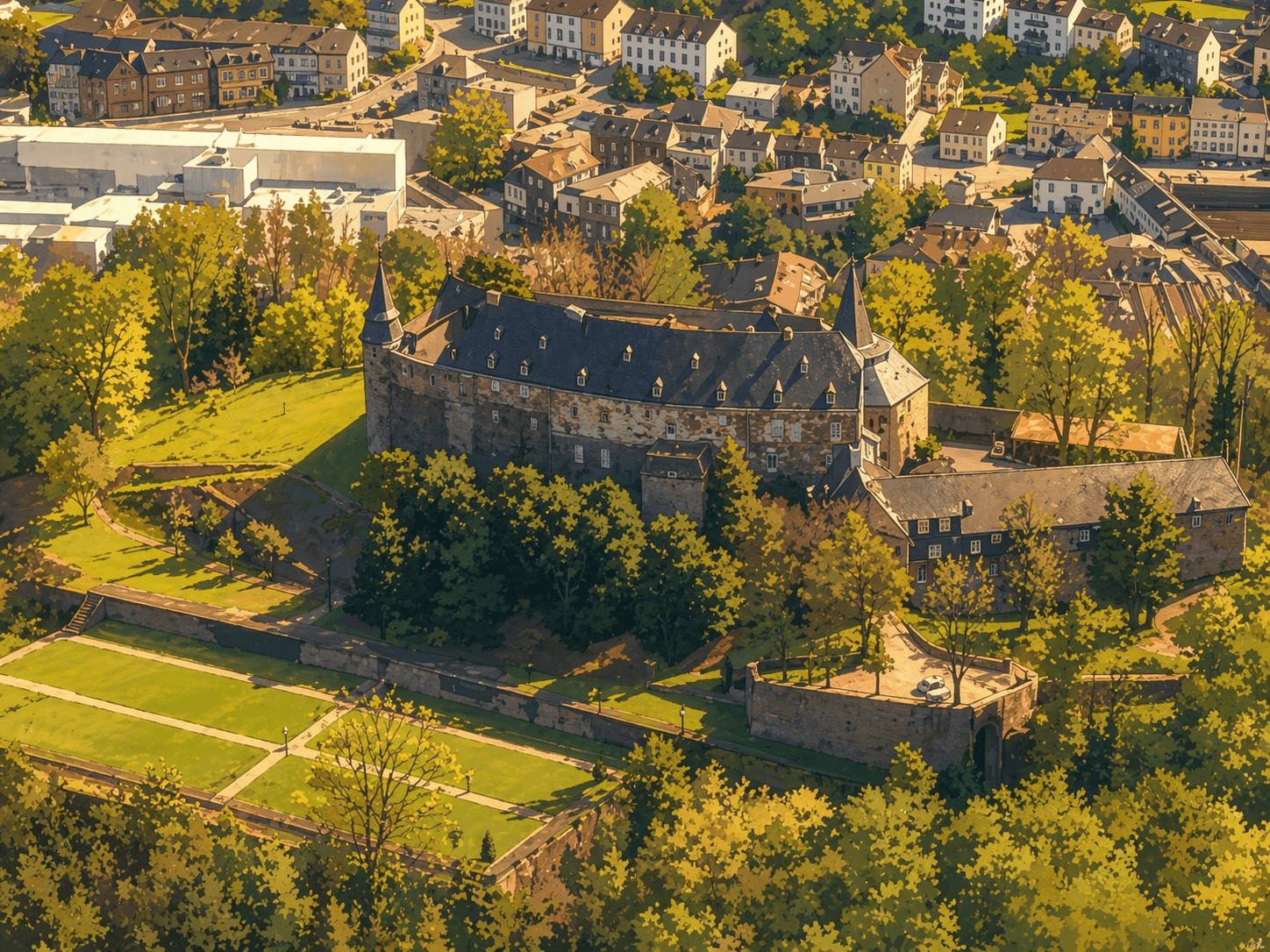
In February 2026, central topics of urban development in Hagen were in focus, ranging from the Bauturbo to barrier-free mobility and the redevelopment of vacant retail spaces. In this in-depth blog post, we analyze the most important decisions and debates from the Urban Development Committee.
Urban Development in Hagen: Where is Progress Being Made, and Where are Obstacles?
The city of Hagen has clearly positioned itself in February 2026: housing must be built more quickly, mobility must become barrier-free, and digitalization in the urban space must not fail due to planning. The Urban Development Committee debated intensively in this direction and made several groundbreaking decisions – not without political tensions and critical scrutiny.
Housing Construction Acceleration: The Bauturbo in Action
The most significant decision in February was the approval of the Bauturbo model according to the 2025 Building Code Reform (BauGB-Novelle). With a unanimous decision (13 yes votes, 1 abstention), Hagen has paved the way for accelerated and simplified construction processes – under clear conditions.
The new regulation stipulates that projects with a minimum area of 10,000 m² or of urban planning significance are subject to the Urban Development Committee. Below this threshold, they remain within the jurisdiction of the regular administration. Central to this is the requirement that construction obligations must be secured through an urban development contract – meaning not every project automatically benefits, but must also be binding for urban development.
In addition, there are clear exclusions: the Bauturbo may not be applied in industrial or nature conservation areas. Environmental impacts must be proven, and climate protection must not be neglected. The administration will report quarterly on the use of this instrument, creating transparency and enabling political oversight.
Barrier-Free Accessibility: Hagen Lags Behind
In the area of mobility and barrier-free accessibility, Hagen has set an ambitious target: to realize 120 barrier-free stops in the VRR area by 2027. As of February 2026, the city is at only 17% – in the second-to-last position in the transport association. This highlights the pressure for the coming months.
Nine stops were selected in the 9th construction phase for barrier-free retrofitting, including Helfe Mitte and Vereinsstraße. These include relocations, barrier-free crossings, and one-way streets. The measures are supported by the VRR in performance phases 1–4, creating a financial basis.
E-Scooter Regulation: Safety and Order in Focus
The HAK faction put pressure on the city with a motion for a municipal E-Scooter Order Concept. The goal is to regulate parking locations, increase safety, and improve the cityscape. Proposed are fixed "parking zones" in the city center, at the train station, and in highly frequented areas. Parking bans in front of nursing homes, hospitals, and bus stops are central to the proposal.
The measures also include a reporting portal via QR code and geofencing rules with scooter providers. Examples such as Heilbronn and Freiburg show that such regulations work – Hagen now wants to test in the coming year whether the revised Electric Micromobility Regulation is viable in practice.
Redevelopment of Vacant Retail Spaces: Residential Use from Commercial Properties
Another focus was the redevelopment of vacant retail spaces into residential units. A project by EWG in Birkenstraße, where former commercial properties are being converted into barrier-free residential units, is supported under the Bauturbo framework. The city offers advisory meetings and enables flexible participation models to minimize bureaucratic hurdles.
Conclusion: Hagen is Building Bridges – But Not Everywhere
In February 2026, the city of Hagen set important impulses for more housing, more barrier-free accessibility, and better mobility. With the Bauturbo, an instrument is being taken up that has already borne fruit in other cities. At the same time, it becomes clear that Hagen still has catch-up work to do in the area of barrier-free accessibility.
The political debates also show that not all paths are uncontested – from the removal of a long-distance bus stop to criticism of the construction administration. However, the decisions of the Urban Development Committee mark a clear course: Hagen wants to not only adapt but also actively shape – with speed, but also with responsibility.
NeoSearch analyses public council documents, committee minutes and municipal announcements. Source references appear automatically once verified meeting data is available.
What does this mean for businesses?
Urban development, zoning plans and commercial settlements create early construction and supply opportunities. Following council decisions reveals projects before they go to tender.
Track similar decisions in your region
Set up monitoring for economic development in Nordrhein-Westfalen — prefilled from this article.
Set up monitoring →More signals from Hagen
Economic Development in Hagen: Challenges and Opportunities in April 2026
In April 2026, several key initiatives in the field of economic development were in focus in Hagen. With the new construction of Max Fry, the training offensive, and the revitalization of the city center, the city is demonstrating ambitions to ensure growth and stability. This blog post highlights the central developments and their long-term effects.
Read more → Social and Housing Policy in Hagen – Between Budget Consolidation and Social Inclusion
In April 2026, important decisions in the field of social and housing policy were made in Hagen. The city is planning investments in social infrastructure, increasing budget expenditures for social services, and discussing digital inclusion and accessibility. This analysis shows how Hagen balances financial necessity with social responsibility.
Read more → Youth Policy in Hagen: Challenges, Progress, and Future Visions
In April 2026, Hagen focused on a range of youth policy topics – from promoting mental health and investing in daycare centers to youth support and participation. The city of Hagen is pursuing long-term youth development through new construction projects, structural reforms, and funding measures. This blog article analyzes the most important decisions and developments of the month.
Read more →