Digital Education, School Development, and Funding in Hagen – A Monthly Analysis 2026
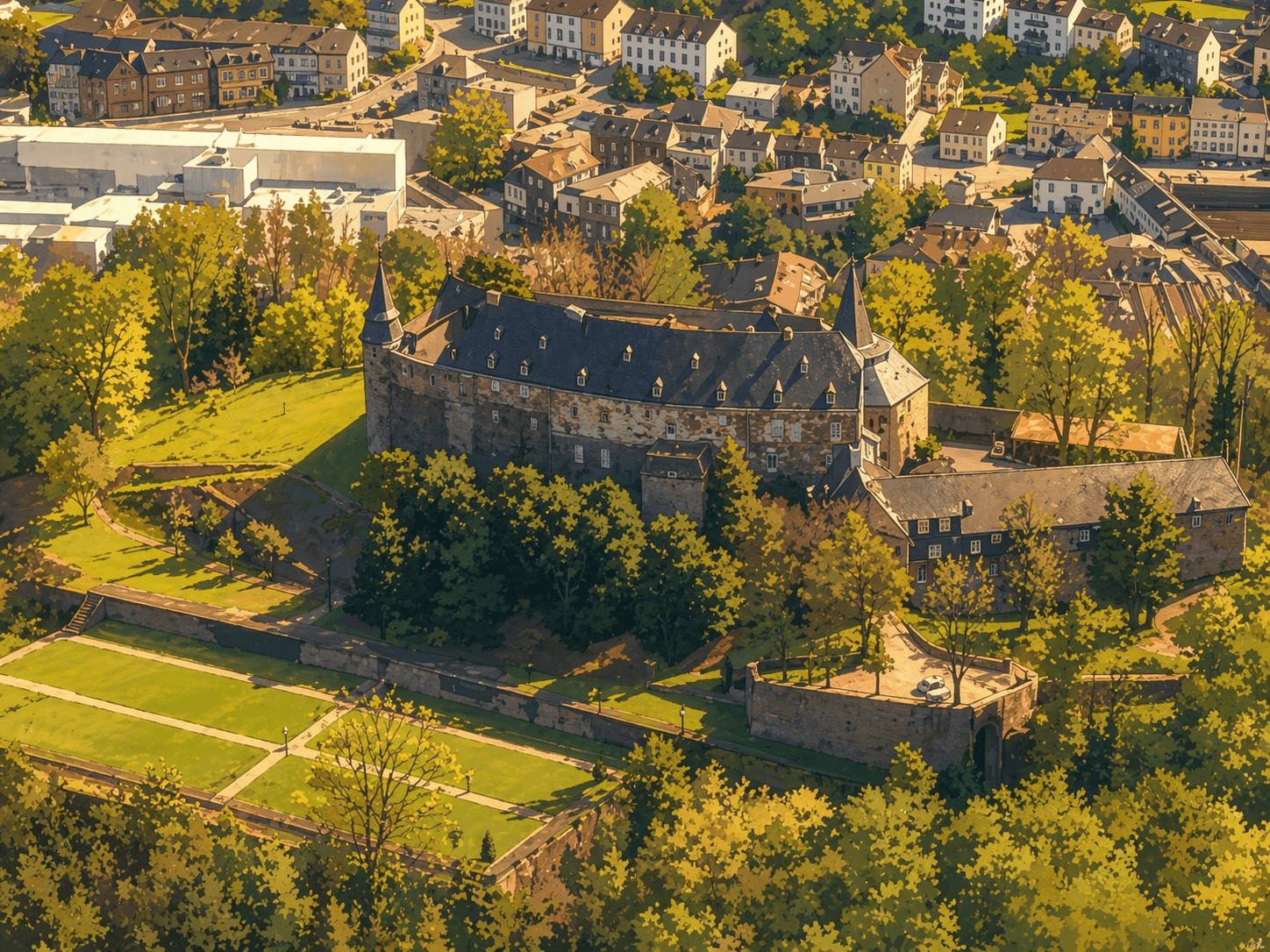
In March 2026, Hagen focused on digital infrastructure, school development planning, and education funding. The School Committee discussed class requirements, investments in structural measures, and the introduction of the AI chatbot "telli." This blog analyzes the key developments and their implications for the city's educational policy.
Digital Education, School Development, and Funding in Hagen – A Monthly Analysis 2026
Educational policy in Hagen in March 2026 is shaped by three central themes: digitalization in schools, school development planning, and education funding. The School Committee discussed the current school registration process, the expansion of digital infrastructure, investments in school construction, and the budget planning for the year 2026/2027. These decisions have long-term effects on the quality of education and equal opportunities for students.
Digital Infrastructure: Expansion and Future-Oriented Planning
The Digital Pact for Schools is a central component of educational policy in Hagen. In March 2026, measures were implemented at 29 of 68 school locations, mainly in the areas of WLAN coverage and digital connectivity. The goal is to create a comprehensive digital infrastructure that enables the implementation of modern teaching and learning formats.
Another important project is the AI chatbot "telli", which will be introduced in secondary schools. The chatbot supports learning processes through learning scenarios, upload functions, and AI assistants. To ensure usage, it is being examined whether schools without WLAN need to be retrofitted. As a transitional solution, 5G routers are being considered.
These measures are especially significant for newly arrived students, as digital media can support individual support and language integration. The Digital Pact for Schools has already enabled an investment of over 6.8 million euros, and the city plans to continue digitalization efforts even after the funding period.
School Development Planning: Expansion, Renovation, and Inclusion
In March 2026, several structural measures at schools were discussed, which are to be implemented in the coming years. Central projects include the expansion of Elementary School Goldberg and Elementary School Berchum, the renovation of Special Needs School Gustav-Heinemann, and the construction of a new elementary school including a daycare center in Overberg.
Another topic was the inclusion expansion at Real School Heinrich Heine, where a barrier-free renovation is planned. In other schools, fire safety measures and renovations are also planned to ensure an uninterrupted school operation.
The school development plan aims to address the rapid population growth and the increasing class demand in the secondary level. In this context, 10 additional classes were registered for the school year 2026/2027. The planning is differentiated by school types – grammar schools, real schools, and comprehensive schools – and also takes into account the initial support needs of approximately 90 students.
Funding and Budget Planning: Challenges and Consolidation Measures
The budget planning for 2026/2027 is marked by several challenges: inflation, collective agreements, and rising social expenditures. Nevertheless, the city of Hagen is committed to advancing investments in the education sector. The draft budget provides an allocation of 27.057 million euros for the area of "School and Education."
A particular focus is on the Education Allowance, which is used for investments in digital infrastructure, structural measures, and the financing of learning materials. The funding of full-day schools (OGS) is provided through support programs and grants, with parental contributions regulated as public service charges.
The investment measures in 2026 include, for example, the modernization of science classrooms, renovations of changing rooms, and fire safety measures. The funding of learning materials follows the Freedom of Learning Materials Act, which ensures the provision of schoolbooks, calculators, and atlases.
Outlook: Educational Policy in Transition
The measures decided in March 2026 in Hagen show how the city is preparing for the future of education. Digitalization in schools, the expansion of structural infrastructure, and investments in inclusion and full-day schools are central priorities that will have long-term effects on the educational landscape.
In the coming months, it will be important to monitor the implementation of the planned projects and ensure that financial resources are used efficiently. It will also be necessary to examine how the use of digital learning platforms such as "telli" can be designed in the interest of youth protection.
Educational policy in Hagen is on an exciting path – moving away from pure investments towards a sustainable, inclusive, and digitally connected educational landscape.
NeoSearch analyses public council documents, committee minutes and municipal announcements. Source references appear automatically once verified meeting data is available.
What does this mean for businesses?
Schools, daycare centres and public buildings create early planning and construction opportunities. Following council agendas surfaces tenders for refurbishment, new builds and fit-out months before the official award — from shell construction to specialist planning to furnishing.
Track similar decisions in your region
Set up monitoring for education & public facilities in Nordrhein-Westfalen — prefilled from this article.
Set up monitoring →More signals from Hagen
Economic Development in Hagen: Challenges and Opportunities in April 2026
In April 2026, several key initiatives in the field of economic development were in focus in Hagen. With the new construction of Max Fry, the training offensive, and the revitalization of the city center, the city is demonstrating ambitions to ensure growth and stability. This blog post highlights the central developments and their long-term effects.
Read more → Social and Housing Policy in Hagen – Between Budget Consolidation and Social Inclusion
In April 2026, important decisions in the field of social and housing policy were made in Hagen. The city is planning investments in social infrastructure, increasing budget expenditures for social services, and discussing digital inclusion and accessibility. This analysis shows how Hagen balances financial necessity with social responsibility.
Read more → Youth Policy in Hagen: Challenges, Progress, and Future Visions
In April 2026, Hagen focused on a range of youth policy topics – from promoting mental health and investing in daycare centers to youth support and participation. The city of Hagen is pursuing long-term youth development through new construction projects, structural reforms, and funding measures. This blog article analyzes the most important decisions and developments of the month.
Read more →