Mobility in Essen: Reconstruction of Heisinger Street and Other Key Developments in March 2026
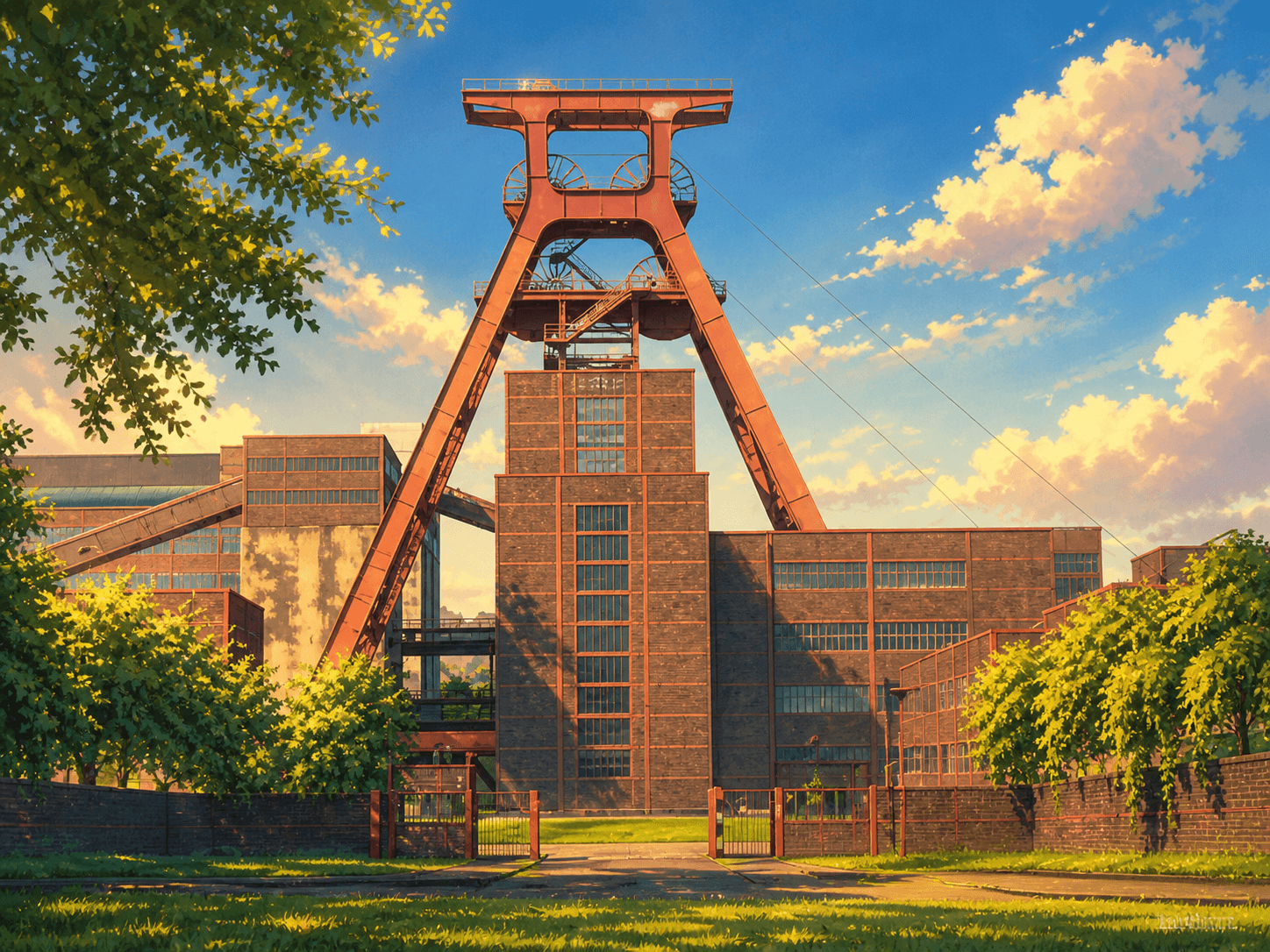
March 2026 marked significant developments in the field of mobility in Essen. With the reconstruction of Heisinger Street, the evaluation of 30 km/h zones, and the implementation of the Mobility Plan 2035, the city has set a clear course for a sustainable transport policy.
Mobility in the Metropolis: Essen Focuses on Safety, Climate Protection, and Cycling
In recent years, the city of Essen has emerged as a pioneer in sustainable mobility. In March 2026, several key decisions were made that are intended to sustainably change the city's traffic landscape. Particularly notable is the emphasis on cycling, the expansion of public transport, and the enhancement of quality of life in the districts. A central focus was the Heisinger Street, a key project that is considered a pilot for future traffic measures.
Reconstruction of Heisinger Street: A Milestone for Cycling
The reconstruction of Heisinger Street between Elsaßstraße and Petzelsberg marks a milestone in Essen's transport policy. The plan includes a one-way physically separated cycle lane, with cyclists going uphill being separated in the side area. Downhill, cyclists will remain in mixed traffic. This approach follows international examples and aims to increase traffic safety without completely excluding motorized individual transport.
The cost of the reconstruction is approximately 7 million euros, with 75% funded by grants (FöRi-kom-Stra). The start of construction is planned for early 2027, with an estimated construction period of two years. With this project, Essen not only aims to improve the traffic situation but also to save 9,300 tons of CO₂eq per year – a significant step towards the city's climate protection goals.
At the same time, bus traffic will not be affected, which is particularly important as Heisinger Street is located along a heavily used connecting route. The removal of 69 parking spaces will be offset by the planting of 12 additional trees, which also contributes to improved air quality.
30 km/h Zones and the Protection of Vulnerable Road Users
Another central topic in the meetings was the evaluation of 30 km/h zones in particularly sensitive areas. In the Langerber Straße, where there have been 23 traffic accidents in recent years, a reduction of speed to 30 km/h is being discussed. This measure is intended to protect students and residents of care facilities in particular.
At the Kampmann Bridge, it is also being examined whether a 30 km/h zone can be introduced during the closure of the railway bridge. Such measures are part of a comprehensive strategy to increase road safety while simultaneously improving the living environment for pedestrians and cyclists.
Parking Management and Digital Solutions
Parking management is another key issue. In Kupferdreh, a digital parking guidance system is being examined that would use LED displays on streetlight poles to reduce the search for parking spaces. This system could reduce search traffic and optimize traffic flows.
In the Hofstraße, a closure with signposting is planned, with alternative routes and digital supplements also being considered. For disabled parking spaces, it must be ensured that a sufficient number is available around the Kupferdreher Markt. At the same time, a clear boundary is being set for the parking ban signs in the Vaestestraße – parking is no longer permitted from house number 5 due to insufficient clearance.
Mobility Plan 2035: An Integrated Concept for the Future
The Mobility Plan 2035 is a central instrument for achieving Essen's transport and climate goals. The goal is a modal split of 25% MIV (motorized individual transport) and 75% environmental integration (public transport, cycling, walking). The current status shows that the share of MIV in Essen is still at 52%, while cycling has already increased slightly to 10%.
The city is relying on push measures such as 30 km/h zones, physically separated cycle paths, and improved pedestrian crossings. In the long term, push+ measures are also planned to further accelerate the switch to environmentally friendly modes of transport.
Another project is COMO (Connected Mobility Essen), which aims to digitize traffic management. With intelligent guidance systems, real-time data, and coordinated traffic control, Essen wants to counter traffic volumes and at the same time increase efficiency.
Conclusion: A City in Transition
With these measures, Essen is demonstrating that it is ready to meet the challenges of the future. The focus on cycling, road safety, and the digitization of transport planning shows that the city is not only pursuing climate goals but also improving the quality of life for its citizens.
The next few years will be crucial in implementing the plans. With projects such as the reconstruction of Heisinger Street, the evaluation of 30 km/h zones, and the Mobility Plan 2035, Essen has set a clear course – away from motorized individual transport and towards a sustainable, livable city.
NeoSearch analyses public council documents, committee minutes and municipal announcements. Source references appear automatically once verified meeting data is available.
What does this mean for businesses?
Municipal council decisions are early indicators: following the council agenda surfaces projects and tenders months before the official award — before they ever reach the procurement portals.
Track similar decisions in your region
Set up monitoring for kommunale Projekte in Nordrhein-Westfalen — prefilled from this article.
Set up monitoring →More signals from Essen
Inclusion Policy in Essen: How Governance and Administration Shape an Accessible Future
In April 2026, the city of Essen engaged intensively with the further development of its inclusive governance structures. The Inclusion Council, district committees, and other bodies worked on barrier-free solutions for sports, education, administration, and climate protection.
Read more → Cultural Advisory Board Essen: How Decisions on Cultural Support are Made
In April 2026, the Cultural Advisory Board Essen will meet again. The 3rd session offers insights into the work of the advisory board, which plays a crucial role in the city's cultural development. This blog post explains how institutional support works and why the exchange between cultural actors is essential.
Read more → Climate and Environment in Essen: Progress, Challenges, and Future Pathways
In April 2026, Essen focused on key measures for climate resilience, noise protection planning, and forest development. This blog analyzes the background, conflicts, and consequences of the political decisions.
Read more →