Environment and Climate in Essen: March 2026 – Implementation Under Scrutiny
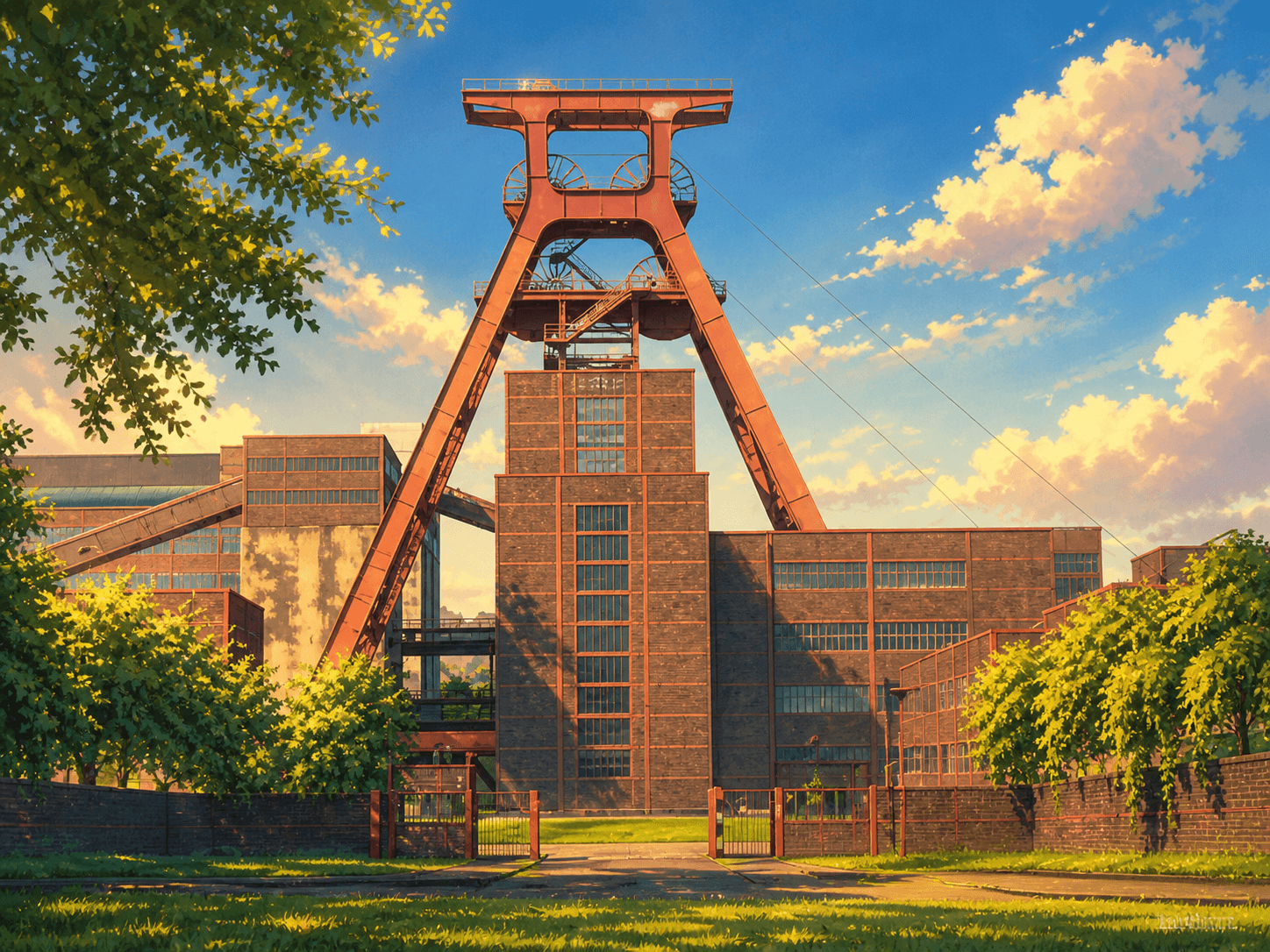
In March 2026, Essen focused on key progress in the area of environment and climate. The city is pursuing climate neutrality, protecting natural spaces, and planning forward-looking heating supply. The deep-dive explores the background, challenges, and next steps.
Environment and Climate in Essen: March 2026 – Implementation Under Scrutiny
The city of Essen has positioned itself as a pioneer in climate protection and is focusing on concrete measures this year to achieve climate neutrality by 2040. In March 2026, numerous decisions were made that affect both environmental planning and the climate protection strategy. In addition to the renovation of heating networks, topics such as nature conservation, animal and forest compensation, and the planning of future-oriented infrastructure were in the spotlight.
Climate Neutrality through Heat Planning
Essen has set itself the goal of becoming climate-neutral by 2040. In March 2026, a decisive milestone was reached: the draft of the municipal heat plan was submitted. According to the plan, the heating supply in Essen is divided into several areas – heating network expansion areas, hydrogen test areas, and decentralized supply areas.
In central districts and at the harbor, the expansion of district and long-distance heating networks is planned. By 2045, 424 km of new pipelines are to be built. At the same time, the gas network is to be gradually converted to hydrogen – especially in the districts of Karnap, the harbor, and the Westviertel, where 240 km of the network are to be converted to hydrogen by 2037.
Another focus is the use of renewable energies. In the future, roof-mounted solar thermal systems and wastewater heat are to cover a large part of the heating demand. The city plans to commission feasibility studies for wastewater heat by 2030 and to identify sites that can be integrated into the heating networks.
Nature Conservation and Wildlife: Bats and Hedgehogs in Focus
Important decisions were also made in March in the area of nature conservation. In the course of the zoning plan process "Umbau Friedrichstraße" in the Südviertel, extensive species protection assessments were carried out. A total of 57 animal species were identified, including ten species of bats, 44 bird species, and two amphibian species. Particularly noteworthy is the discovery of bat roosts in trees on the traffic island, which meant that special protection measures were required in the construction planning.
Another important topic was the protection of hedgehogs and other small animals. In response to a motion by the Greens, a night-time ban on lawn mowers was proposed to protect hedgehogs and other nocturnal animals from accidents caused by the devices. This shows that Essen not only focuses on large-scale climate protection measures, but also on the protection of small animal species.
Forest Compensation and Compensation Measures: 69.58 ha by 2030
The city of Essen also dealt intensively with the issue of forest compensation in March 2026. Due to the expected forest use of 25.77 ha by 2030, a forest compensation requirement of 69.58 ha has arisen. In total, seven areas have been identified as potential replacement areas, including the Kaldenhoverbaum, the Kaninenberghöhe, and the area along the Ruhmbach.
The areas are not only usable within the city limits, but also in the same natural area "K01 Münsterländisches Tiefland und Westfälisches Tiefland". The city plans to implement 8.22 ha of initial afforestation by 2026 and to select the areas according to ecological criteria.
Future of Heating Supply: Digital Support and Communication Strategy
Another focus was the digital support of heat planning. The approval processes for heating networks are to be standardized, digitized, and automated in the future. At the same time, a ten-year communication campaign is planned to inform citizens about the heating transition and to create planning security. An online portal with address-specific information on heating supply options is seen as a success factor.
Essen Stadtwerke and Iqony Fernwärme GmbH are working closely together to make district heating supply climate-neutral by 2040. The expansion plan provides for an extension of 10 km per year. In addition, infrastructure operators are to cooperate closely in a coordination forum to bundle projects and exploit synergies.
Outlook: Climate Neutrality as a Challenge and Opportunity
March 2026 marks a decisive milestone in Essen's climate protection policy. The city has clear ideas about the future of heating supply, is relying on innovations such as hydrogen and waste heat, and is taking into account the protection of animal and plant life as well as the preservation of urban nature in its planning.
The coming months will show how well the implementation of the measures is progressing and whether climate neutrality can actually be achieved by 2040. The involvement of citizens, business, and science remains crucial – because only together can Essen achieve its climate goals.
NeoSearch analyses public council documents, committee minutes and municipal announcements. Source references appear automatically once verified meeting data is available.
What does this mean for businesses?
Municipal heat planning, photovoltaics and climate measures create early project indicators. Following council decisions surfaces sites and tenders before they are publicly advertised.
Track similar decisions in your region
Set up monitoring for environment & climate in Nordrhein-Westfalen — prefilled from this article.
Set up monitoring →More signals from Essen
Inclusion Policy in Essen: How Governance and Administration Shape an Accessible Future
In April 2026, the city of Essen engaged intensively with the further development of its inclusive governance structures. The Inclusion Council, district committees, and other bodies worked on barrier-free solutions for sports, education, administration, and climate protection.
Read more → Cultural Advisory Board Essen: How Decisions on Cultural Support are Made
In April 2026, the Cultural Advisory Board Essen will meet again. The 3rd session offers insights into the work of the advisory board, which plays a crucial role in the city's cultural development. This blog post explains how institutional support works and why the exchange between cultural actors is essential.
Read more → Climate and Environment in Essen: Progress, Challenges, and Future Pathways
In April 2026, Essen focused on key measures for climate resilience, noise protection planning, and forest development. This blog analyzes the background, conflicts, and consequences of the political decisions.
Read more →