Mobility in Duisburg: What Changed in January 2026
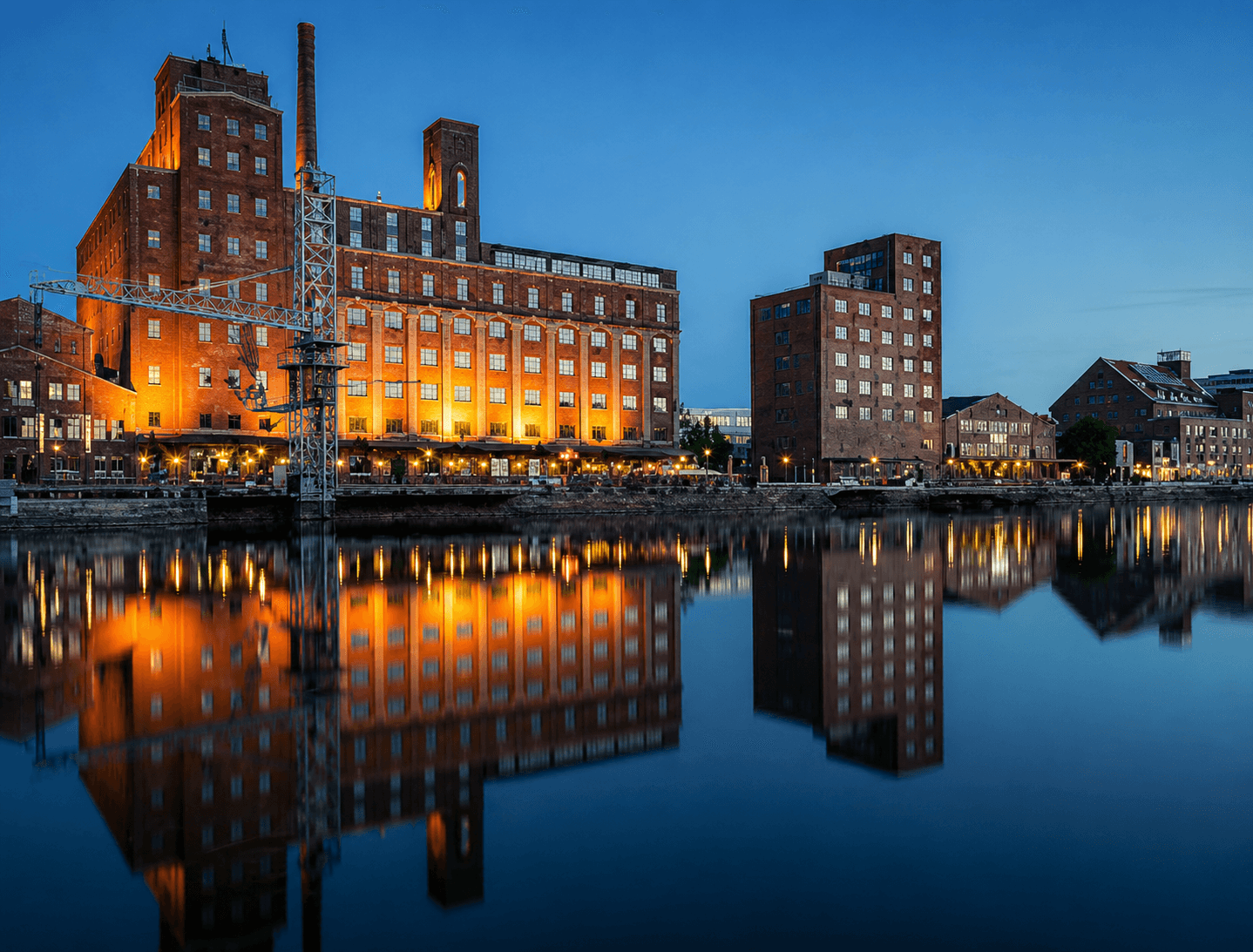
In January 2026, Duisburg focused on decisions regarding public transport, cycling promotion, and traffic calming. This deep dive highlights the key developments and their backgrounds.
Duisburg's Mobility Policy in January 2026: Change in Motion
In January 2026, Duisburg made key decisions in the realm of mobility and transport. The city addressed the future of public transport, safety in school traffic, the rehabilitation of transport infrastructure, and the introduction of new forms of mobility such as e-scooters. This blog post analyzes the most important decisions and their backgrounds.
Public Transport Planning: Intensifying the Frequency and Extending Routes
The Bus Line 928 remains a central topic in Duisburg's local transport planning. Although the proposal to increase the service frequency to every 30 minutes was unanimously supported, the necessary financial resources are currently lacking. In addition, the extension of Line 928 toward Moers is being evaluated—an initiative that has generated interest from the DVG and the district of Wesel.
At the same time, Line 940 has been re-planned. The connection between Großenbaum and Rahm via Sittardsberg has been optimized, resulting in an adjusted route from September 2026. The stop at Norbert-Spitzer-Platz will be eliminated. These measures are part of a comprehensive optimization in the southern district, aiming to improve local transport accessibility.
Infrastructure: Rehabilitation and Renovations Underway
Duisburg is investing significantly in the rehabilitation of its transport infrastructure in 2026. In the southern district, 14 streets will be resurfaced with 17,855 m² of new asphalt. Further projects include the rehabilitation of the Kalkweg car park (6,225 m²) and the Schwanentor lift bridge, whose renovation is planned in two construction phases with replacement bus services.
Another central project is the rehabilitation of Großenbaumer Allee, where 825,000 € will be invested in renewing road surfaces, cycle paths, and barrier-free bus stops. The construction period is planned for 2026.
Cycling and E-Mobility: Expanding the Infrastructure
Duisburg is promoting cycling more intensively. The "Dein Radschloss" (Your Bike Lock) project is being expanded, with new and existing facilities at public transport interchanges. In addition, a cycling route A59 is planned between the city center and Meiderich.
In the area of e-mobility, Duisburg is promoting the use of e-scooters and is planning stationary parking facilities and flexible parking zones to reduce parking problems. Furthermore, the city has applied for funding for 55 hydrogen fuel cell buses, representing a step toward emission-free mobility.
Traffic Calming and Safety: Measures for School Streets
Safety in school traffic was another central topic. In the Hitzestraße (Habichtstraße Primary School), measures such as 30 km/h restrictions and traffic-calming elements like speed displays and LSA (Local Speed Adaptation) have been decided. In four districts (Hamborn, Süd, Rheinhausen, Homberg), traffic trials are planned to monitor critical situations such as parking in intersection areas or reversing on sidewalks.
In addition, the one-way regulation in Bissingheimer Straße has been lifted, which should improve traffic flow.
What's Next?
Mobility development in Duisburg is in motion. In 2026, further rehabilitation and renovation projects will be completed, public transport will be optimized, and cycling and pedestrian traffic will be promoted. Crucial will be how the city can mobilize the financial resources needed to increase the frequency of Line 928. In addition, the expansion of cycling infrastructure and the integration of e-mobility into the urban landscape will gain increasing importance.
NeoSearch analyses public council documents, committee minutes and municipal announcements. Source references appear automatically once verified meeting data is available.
What does this mean for businesses?
Municipal council decisions are early indicators: following the council agenda surfaces projects and tenders months before the official award — before they ever reach the procurement portals.
Track similar decisions in your region
Set up monitoring for kommunale Projekte in Nordrhein-Westfalen — prefilled from this article.
Set up monitoring →More signals from Duisburg
Youth Policy in Duisburg: Development, Support, and Future Perspectives
In April 2026, Duisburg made key decisions in several meetings of the youth delegate, shaping the future viability and well-being of the city's younger generation. This blog article analyses the current youth policy, from funding models through structural development to inclusive leisure opportunities.
Read more → Duisburg's Urban Development in April 2026: Urban Transformation, Mobility, and Heritage Conservation
In April 2026, Duisburg made significant strides in urban development. Zoning plans, barrier-free mobility, and the restoration of historical sites were the main focus. This blog provides insights into the key decisions and their impact on the city's structure.
Read more → Duisburg's Social Policy in Focus: Health, Prevention, and Housing in April 2026
In April 2026, Duisburg focused on social policy with an emphasis on health promotion, addiction support, early intervention, and municipal assistance. An overview of the most important decisions, projects, and debates.
Read more →