Duisburg's Urban Development in April 2026: Urban Transformation, Mobility, and Heritage Conservation
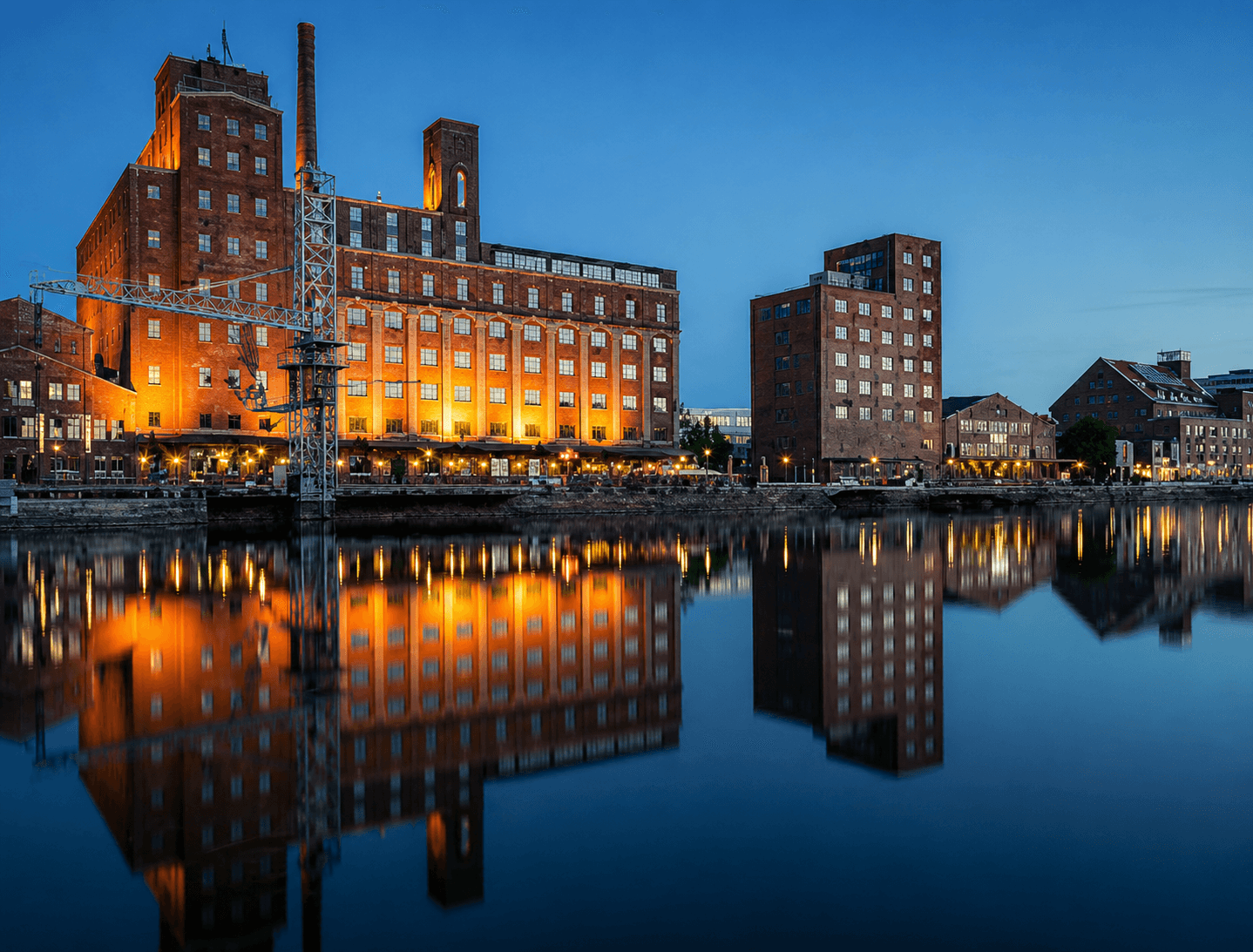
In April 2026, Duisburg made significant strides in urban development. Zoning plans, barrier-free mobility, and the restoration of historical sites were the main focus. This blog provides insights into the key decisions and their impact on the city's structure.
Urban Change and Architectural Culture in Duisburg
Duisburg is not only a port city but also a vivid example of urban transformation. In April 2026, the Committee for Urban Development and Transport laid the groundwork for future-oriented neighborhood development, barrier-free mobility, and the preservation of historical structures. The decisions reflect a clear trend toward sustainable urban planning, which takes ecological, social, and cultural aspects into account.
Zoning Plans: Urban Mix and Central Locations
Zoning plans are a crucial component for shaping Duisburg's future. In April 2026, three important zoning plans were approved or added to the priority list, which will shape the development of the districts of Rheinhausen-Mitte, Wanheim-Angerhausen, and Vierlinden.
Zoning Plan 1308 for Rheinhausen-Mitte aims to create an urban mixed-use area (MU) with a high proportion of residential and commercial space. Covering an area of about 12 hectares, this plan ranks third on the priority list, indicating its high political relevance. Similarly important is Zoning Plan 1301 for Wanheim-Angerhausen, which was unanimously approved and is intended to strengthen the central services of the districts of Wanheimerort and Buchholz.
A central issue was the approval of retail. Supermarkets with more than 3,500 m² of sales area were excluded to protect local retail. Instead, clearly relevant central retail assortments were promoted, while entertainment venues in the southern area were completely excluded. This decision underlines the goal of creating vibrant, yet not overloaded, city centers.
Mobility: Barrier-Free Accessibility as the Standard
Mobility in Duisburg is changing rapidly. In April 2026, it was unanimously decided to expand 40 bus stops to be barrier-free – a milestone in the city's inclusion policy. With costs of 4.287 million euros and a funding of around 2.277 million euros from the state program, the expansion will be implemented by 2027. Tactile guidance elements, seating, and waiting shelters will facilitate access to public spaces for people with disabilities.
Another project is the redesign of bus line 940, which will be newly planned starting in September 2026 to better connect the districts of Großenbaum and Rahm. At the same time, the maximum speed on Großenbaumer Allee will be reduced to minimize noise pollution. These measures show how Duisburg is striving to harmonize mobility and quality of life.
Heritage Conservation and Restoration: Historical Structures in Focus
Duisburg is rich in industrial history and historical buildings. The restoration of the Königstraße lift bridge in Walsum is an impressive example of the balance between preservation and modernization. With costs of over 10 million euros – significantly above the original budget – the bridge will be restored in a manner consistent with its heritage status. Funding from the federal government and industrial companies contributes over 5 million euros.
The cost increases, mainly due to rising steel prices and pandemic-related consequences, highlight the challenges of such restoration projects. Nevertheless, restoration remains a central element of urban development, which not only preserves historical structures but also strengthens the city's tourist and cultural appeal.
Funding and Support: Key to Implementation
Without clear funding concepts, even the best plans remain on paper. April brought decisions to revise the guidelines of the "Social Cohesion Duisburg-Hochheide" grant fund, which supports urban development projects. In addition, an urgent decision was made for the construction of a new ice sports hall – a signal of the value Duisburg places on sports and health.
The funding of the barrier-free bus stop expansion from municipal funds and the planning of the Ottostraße / Moerser Straße intersection in Hochheide show how Duisburg is planning long-term investments in infrastructure and inclusion. The costs for the intersection planning alone amount to 700,000 euros, with 80% covered by urban development support.
Outlook: A City in Transition
Duisburg is on an exciting path. The decisions of April 2026 show a city consciously choosing sustainable, inclusive, and vibrant urban development. Zoning plans, barrier-free mobility, and heritage conservation are not isolated topics, but part of a larger plan that puts the quality of life of citizens at the center.
The challenges – such as rising costs or political differences – are undeniable. Yet the unanimous decisions in several areas also show that the politics in Duisburg are capable of finding consensus and implementing long-term measures. Looking ahead to the coming years, it will be exciting to observe how these projects are implemented in reality and what new impulses urban development will receive.
NeoSearch analyses public council documents, committee minutes and municipal announcements. Source references appear automatically once verified meeting data is available.
What does this mean for businesses?
Town halls, fire stations, depots and administrative buildings create early construction and refurbishment opportunities. Following council agendas reveals projects before they go to tender.
Track similar decisions in your region
Set up monitoring for public buildings & administration in Nordrhein-Westfalen — prefilled from this article.
Set up monitoring →More signals from Duisburg
Youth Policy in Duisburg: Development, Support, and Future Perspectives
In April 2026, Duisburg made key decisions in several meetings of the youth delegate, shaping the future viability and well-being of the city's younger generation. This blog article analyses the current youth policy, from funding models through structural development to inclusive leisure opportunities.
Read more → Duisburg's Social Policy in Focus: Health, Prevention, and Housing in April 2026
In April 2026, Duisburg focused on social policy with an emphasis on health promotion, addiction support, early intervention, and municipal assistance. An overview of the most important decisions, projects, and debates.
Read more → Education Policy in Duisburg: Expansion of Full-Day Schools, Digitalization, and New Infrastructure
In April 2026, Duisburg made key decisions in the areas of education and public institutions. The School Committee took steps toward the structural expansion of full-day schools, digitalized teaching conditions, and the modernization of schools. This blog post analyzes the background, political tensions, and long-term implications for Duisburg's education policy.
Read more →