Duisburg in Focus – February 2026
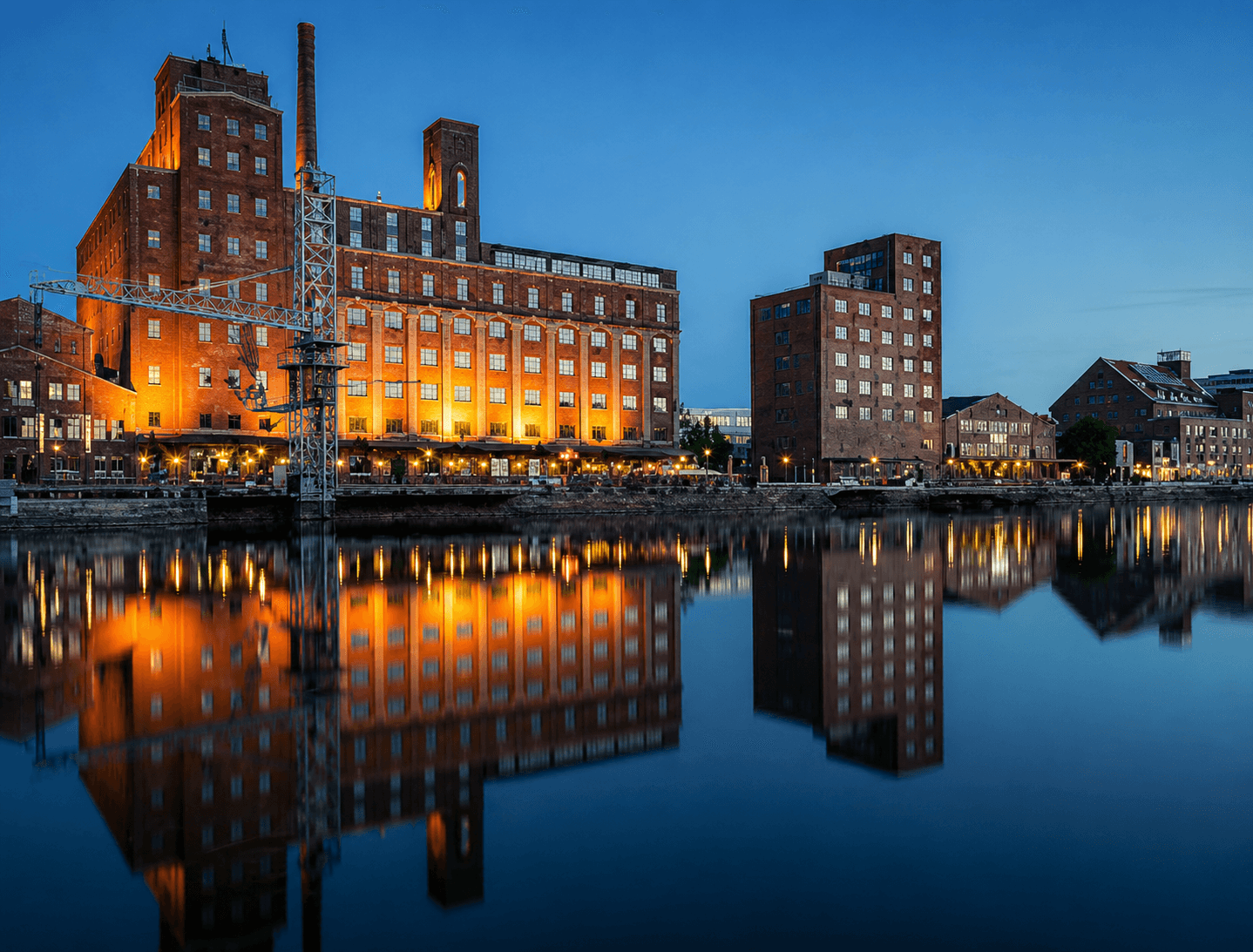
In February 2026, Duisburg focused on important decisions in the areas of equality, climate, economy, culture, and administration. Here is a monthly overview of the central topics.
Inclusion and Equality – Key Areas of Work
This month, the Committee for Equality intensively addressed the development of inclusive participation structures. Unanimously, a feasibility request was approved to create a set of criteria and guidelines for barrier-free citizen participation, taking into account the UN Convention on the Rights of Persons with Disabilities and EU guidelines.
Another important topic was the integration of women's history into the city's historical presentation. Additionally, a motion from the AfD faction regarding women's shelters was postponed, indicating a broad consensus.
Important Decisions for Residents:
- Barrier-free Participation: Feasibility request for the development of a criteria catalog
- Women's History: Integration into the city's presentation
- Women's Shelters: Inquiry postponed – Discussion continued
- „Connected-United“: Ongoing workshops and support for refugees
Climate and Heat Planning – Duisburg is Facing the Future
The Committee for Environment, Climate, and Nature Conservation set important milestones in February. The municipal heat planning is largely completed, with the final plan scheduled for the end of 2026. In conjunction with this, information events for residents are planned.
In addition, the expanded planning decision ISEK Hochheide, which includes the renovation of Ottostraße in Homberg, was discussed. In Alt-Homberg, plans for the Zoning Plan "Bruchstraße" were debated.
Key Developments:
- Municipal Heat Planning: Completion by 2026
- ISEK Hochheide: Renovation of Ottostraße
- Zoning Plan Alt-Homberg: Bruchstraße under discussion
- Information Events: Citizen participation in focus
Economy, Innovation and Tourism – Duisburg Remains Fair
The Committee for Economy, Innovation, and Tourism decided this month that Duisburg may continue to hold the title of "Fairtrade City" for another two years. This is a strong signal for fair trade relations and the implementation of the Sustainable Development Goals (SDGs).
Eight open shopping Sundays for 2026 were approved, including an Advent Sunday for the Christmas market. In addition, inquiries regarding the gas shortage and the hydrogen filling station were answered in writing.
Important Economic Decisions:
- Duisburg remains a Fairtrade City until 2028
- Eight open shopping Sundays approved
- Gas shortage: Written response to the AfD faction
- Economic Ordinance: Discussion on opening hours
Culture and Education – Duisburg Combines Tradition with Innovation
In the Culture Committee, the new performance schedule of the Duisburger Philharmoniker was the focal point. With the performance of Beethoven's "Fidelio" in cooperation with the Duisburg Opera, the city will remain culturally present in the coming years.
In addition, Philipp Braun was introduced as the new head of the city libraries, who aims to further develop the libraries as a "third place." The discussion on street and square names as well as the cultural landscape remains a central topic.
Culture in Focus:
- Philharmoniker: New performance season until 2027
- City Libraries: New head Philipp Braun
- Street Names: Discussion ongoing
- Cultural Landscape: Further development planned
Administration and Staff – Duisburg Invests in the Future
The Committee for Personnel and Administration decided in February that trainees will be centrally equipped with laptops and headsets. In addition, the employee survey 2024 was evaluated, which will serve as a basis for future personnel policy.
Administrative Decisions:
- Trainees: Central provision of IT equipment
- Staff Development: Survey results evaluated
- Time Tracking: Discussion initiated
- Staffing Plan 2025/26: Monitoring available
Cross-Topics: Climate, Inclusion and Economy
A central topic affecting multiple committees is the municipal heat planning, which is planned in combination with inclusion policy and economic strategy. In addition, digitalization in administration and training is a recurring theme.
Citizen participation is strengthened in various forms, whether through workshops, participation platforms, or public events. At the same time, cultural promotion remains a central pillar of urban development, including international cooperation.
Conclusion and Outlook
February 2026 was a month of broad thematic scope in Duisburg. From inclusion policy through climate protection to culture and economic strategy – the city is relying on sustainability, inclusion, and citizen participation.
In March, further steps in heat planning, urban development, and cultural promotion are expected. In addition, administrative reforms and citizen initiatives are under discussion.
Duisburg is moving further toward becoming a future-proof, inclusive, and creative city.
NeoSearch analyses public council documents, committee minutes and municipal announcements. Source references appear automatically once verified meeting data is available.
What does this mean for businesses?
Town halls, fire stations, depots and administrative buildings create early construction and refurbishment opportunities. Following council agendas reveals projects before they go to tender.
Track similar decisions in your region
Set up monitoring for public buildings & administration in Nordrhein-Westfalen — prefilled from this article.
Set up monitoring →More signals from Duisburg
Youth Policy in Duisburg: Development, Support, and Future Perspectives
In April 2026, Duisburg made key decisions in several meetings of the youth delegate, shaping the future viability and well-being of the city's younger generation. This blog article analyses the current youth policy, from funding models through structural development to inclusive leisure opportunities.
Read more → Duisburg's Urban Development in April 2026: Urban Transformation, Mobility, and Heritage Conservation
In April 2026, Duisburg made significant strides in urban development. Zoning plans, barrier-free mobility, and the restoration of historical sites were the main focus. This blog provides insights into the key decisions and their impact on the city's structure.
Read more → Duisburg's Social Policy in Focus: Health, Prevention, and Housing in April 2026
In April 2026, Duisburg focused on social policy with an emphasis on health promotion, addiction support, early intervention, and municipal assistance. An overview of the most important decisions, projects, and debates.
Read more →