Wolfburg's Education Policy: Focusing on Remembrance Work and Democratic Education
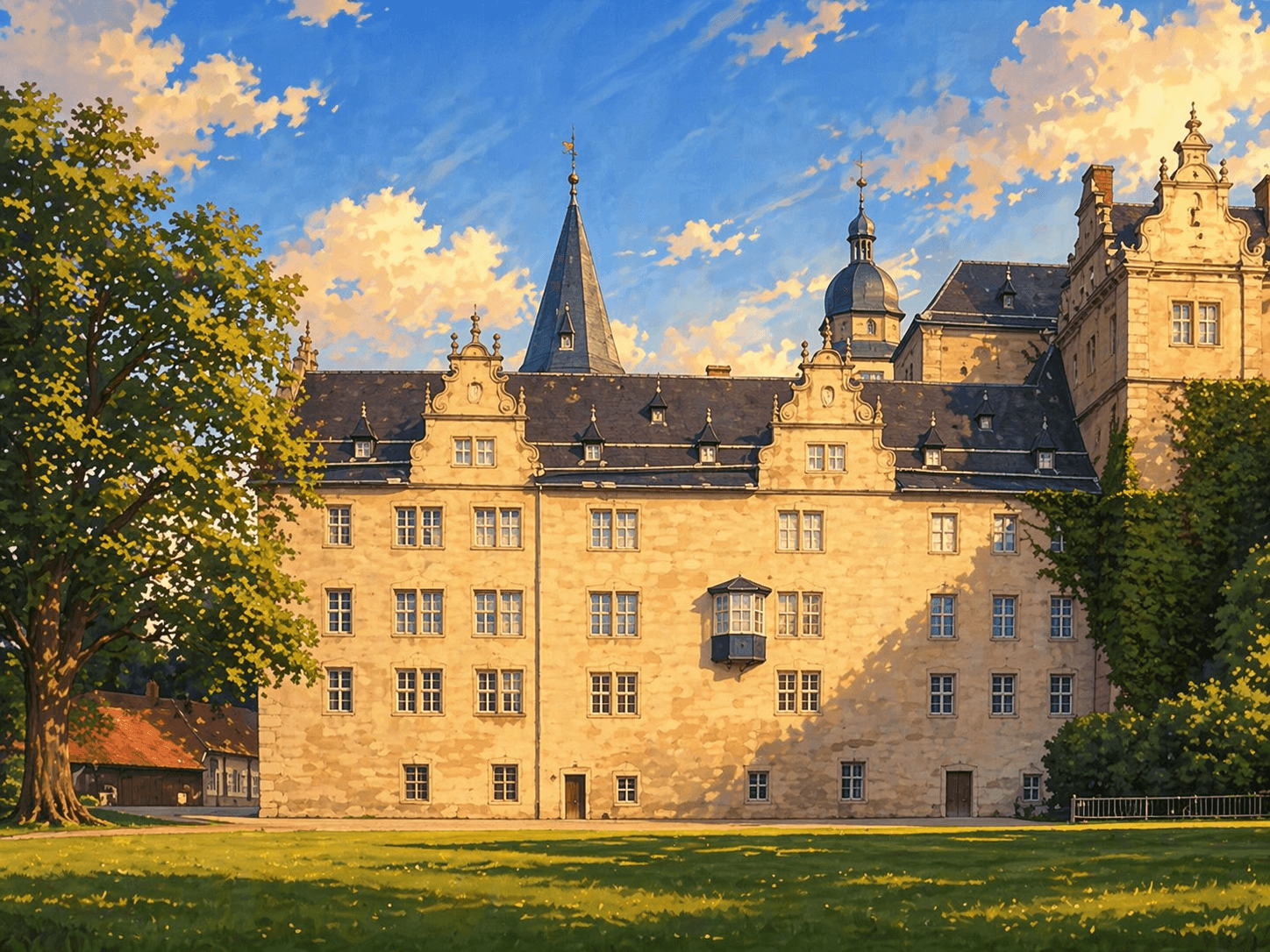
In March 2026, the topics of democratic education and remembrance work were at the center of Wolfburg's education policy. The Committee for Schools and Education discussed a comprehensive concept that combines resilience, remembrance, and democratic values. This blog report analyzes the background, decisions, and potential impacts of these political priorities.
Remembrance Work and Democratic Education: A New Milestone in Wolfburg's Education Policy
In a time when political polarization and global crises increasingly shape the social mood, strengthening democratic values and historical awareness in education is crucial. In March 2026, Wolfburg decided to take a clear political course toward remembrance work and democratic education. The Committee for Schools and Education discussed a concept known as V 2025/1378, titled "Democracy, Remembrance, Resilience: Concept for Remembrance Work and Democratic Education in Wolfburg."
Background: Why Remembrance Work Is Important Today
The debate on remembrance work is gaining increasing relevance in Germany, especially in the face of challenges such as populism, disinformation, and societal division. In Wolfburg, a city with a strongly industrialized past and a young demographic structure, it is particularly important to reflect on historical identity and sensitize the next generation to democratic coexistence.
The concept aims to anchor remembrance work not only at sites such as the Volkswagen plant or memorials, but also actively integrate it into everyday educational life. In this process, schools, youth centers, and educational institutions are to serve as key actors, cooperating with places of remembrance such as museums or memorials.
How Is the Concept Being Implemented?
The discussion in the Committee for Schools and Education on 03.03.2026 was part of a broader process that has been ongoing since 2024. During the public session, which ran from 17:00 to 18:08, specific measures were presented:
Curriculum Development: A new curriculum for secondary levels I and II is being developed, which will more strongly embed topics such as democracy, historical responsibility, and resilience into the subjects of history, ethics, and politics.
Partnerships with Places of Remembrance: Schools are to establish partnerships with regional memorials over the next three years to enable learning projects that go beyond regular classroom instruction.
Training for Teachers: A central aspect of the concept is the qualification of teachers who deal specifically with remembrance work. Planned workshops and seminars are part of this effort.
Youth Participation: Young people are to be involved in the development of projects and events in order to actively engage them in remembrance work.
Challenges and Criticism
Despite the broad agreement within the committee, there are also critical voices. Some concerns relate to the resources needed to sustainably implement the concept. Funding and the staffing of schools and educational institutions remain challenges.
Moreover, it is critically questioned whether remembrance work and democratic education are too abstract to be integrated into everyday school life. There is a risk that such topics could be pushed aside in practice if they are not explicitly included in performance assessments.
Outlook: An Opportunity for Wolfburg's Education
The project, however, also offers an opportunity to position Wolfburg as an educational city—not only regionally, but also beyond the region. With a focus on remembrance work and democratic education, the city can build a bridge between historical awareness and forward-looking educational policy.
In April 2026, a pilot project will be launched in several schools to yield initial results. These can then be incorporated into the final implementation of the concept. For the future, it remains to be seen whether politics is able to ensure the necessary continuity and financial support—and whether remembrance of the past can indeed contribute to the stabilization of the future.
NeoSearch analyses public council documents, committee minutes and municipal announcements. Source references appear automatically once verified meeting data is available.
What does this mean for businesses?
Schools, daycare centres and public buildings create early planning and construction opportunities. Following council agendas surfaces tenders for refurbishment, new builds and fit-out months before the official award — from shell construction to specialist planning to furnishing.
Track similar decisions in your region
Set up monitoring for education & public facilities in Niedersachsen — prefilled from this article.
Set up monitoring →More signals from Wolfsburg
Wolfburg's Health Policy in April 2026: Integration, Care, and Senior Involvement in Focus
In April 2026, Wolfburg focused on central topics in health policy: the integration of employable asylum seekers into the health sector, the future of senior involvement, and the further development of care provision. The Social and Health Committee discussed concrete measures and initiatives that could shape the future of healthcare in the city.
Read more → Wolfenbüttel's Cultural Promotion in April 2026: Digitalization, Space Planning, and Democratic Transparency
In April 2026, Wolfenbüttel set new standards in cultural and community policy with concrete steps. The focus was on digitalization projects, space utilization in the cultural context, and strengthening democratic transparency in administration and cultural work. Here is an analysis of the most important developments.
Read more → Wolfsburg's Climate Protection: Feasibility Study for Allersee Heat Pump and Further Environmental Measures in April 2026
In April 2026, decisive debates took center stage in Wolfsburg's Environment and Climate Protection Committee. A feasibility study on using the Allersee for a heat pump, the Masterplan 100% Climate Protection, and initiatives for land de-sealing and the promotion of renewable energy show how the city plans to concretely achieve its climate goals – and where boundaries exist.
Read more →