Wolfsburg's Urban Development in March 2026: From the Bau-Turbo to the Nordkopf Quarter
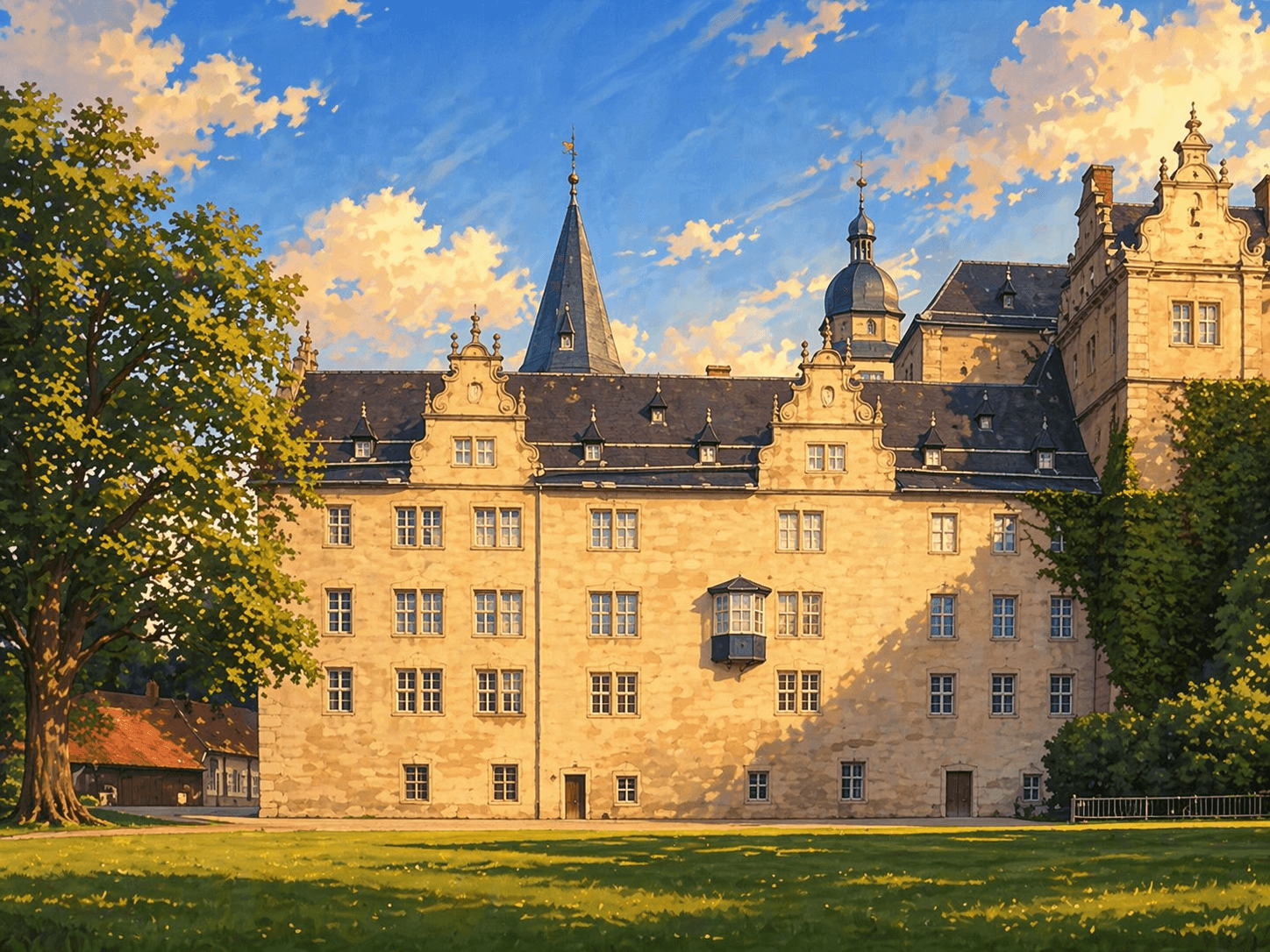
In March 2026, the city of Wolfsburg set key priorities in urban development and city planning. From the implementation of the Wolfsburg 2035+ site concept through the Bau-Turbo to neighborhood developments and infrastructure measures – the focus was on future-oriented planning and sustainable execution.
Urban Development and Construction Projects in March 2026
In the third week of the first quarter of 2026, Wolfsburg was highly active in urban development. Numerous construction decisions were approved, new neighborhoods and projects initiated, and digital innovations such as the Bau-Turbo under § 36a BauGB were launched. The focus was on future-oriented developments aimed at making Wolfsburg more attractive and livable in the long term.
Nordkopf District and Neighborhood Development
The Nordkopf District Center is one of the central project areas in Wolfsburg and reached an important milestone in March 2026. The Zoning Plan with Local Building Regulation was approved with a draft and publication decision. The city of Wolfsburg is pursuing an integrated neighborhood development that combines not only housing, but also jobs and leisure opportunities.
Within the framework of the Wolfsburg 2035+ site concept, the Nordkopf District is a key project. The plan is to create not only residential space, but also commercial areas, office space, and mobility hubs. Another highlight is the preparation of an autonomous shuttle service, which will be integrated into the existing public transport system. The city is closely cooperating with Volkswagen to shape the district as an innovative urban living space.
Bau-Turbo and Digital Planning
Another focus of the month was the application of the approval process under § 36a BauGB, also known as the "Bau-Turbo". With the basic decision, it is possible to implement certain construction projects faster and with less bureaucracy. The goal is to shorten approval times and relieve both investors and private developers.
This measure is part of the strategic goal to position Wolfsburg as a digital model city. The city is relying on modern planning tools and cloud-based IT solutions, such as the switch to SAP S/4HANA and SuccessFactors. The transition to modern ERP systems is expected to create efficiency benefits and reduce long-term costs. Although the investment amounts to around 4 million euros, the savings from phasing out old systems and harmonizing the IT architecture are considered sustainable.
Infrastructure and Public Space
In March, several infrastructure measures were also approved to improve public space and road safety. Thus, the bike lane on Schillerstraße was revised after an evaluation, the roofs on Heinrich-Nordhoff-Straße were renovated, and the renovation of Schachtweg Süd was planned as part of the "Handwerkerviertel" renovation process.
Another project is the interdisciplinary open space planning of the train station passage, which aims to redesign and make the station area more attractive. The city is relying on an integrated planning approach that combines architecture, landscape planning, and mobility.
Neighborhood Associations and BIDs
In the context of urban development, Wolfsburg has also begun the founding of a neighborhood association according to the Lower Saxony Neighborhood Act (NQG). The goal is to strengthen private initiatives in urban areas with functional losses. The city plans to establish a Business Improvement District (BID) focusing on the downtown area. Measures include event organization, marketing, security, and cleanliness.
This is financed through voluntary contributions or compulsory levies according to the bylaws. Establishing such a community is a long-term project to be implemented in several phases: concept development, association founding, public participation, and finally a council decision.
Outlook and Challenges
In March 2026, the city of Wolfsburg is showing itself as a driver of urban development, combining traditional and digital innovations. The implementation of the Wolfsburg 2035+ site concept and the establishment of neighborhood associations are central elements. In addition, the digitalization of administration and planning is a key factor in preparing the city for the future.
The challenges lie in financial planning, citizen participation, and cooperation with companies like Volkswagen. The city must also ensure that infrastructure can keep pace with the rapid developments. Nevertheless, the March program shows that Wolfsburg is on the right track to position itself as an attractive, livable, and modern city.
NeoSearch analyses public council documents, committee minutes and municipal announcements. Source references appear automatically once verified meeting data is available.
What does this mean for businesses?
Urban development, zoning plans and commercial settlements create early construction and supply opportunities. Following council decisions reveals projects before they go to tender.
Track similar decisions in your region
Set up monitoring for economic development in Niedersachsen — prefilled from this article.
Set up monitoring →More signals from Wolfsburg
Wolfburg's Health Policy in April 2026: Integration, Care, and Senior Involvement in Focus
In April 2026, Wolfburg focused on central topics in health policy: the integration of employable asylum seekers into the health sector, the future of senior involvement, and the further development of care provision. The Social and Health Committee discussed concrete measures and initiatives that could shape the future of healthcare in the city.
Read more → Wolfenbüttel's Cultural Promotion in April 2026: Digitalization, Space Planning, and Democratic Transparency
In April 2026, Wolfenbüttel set new standards in cultural and community policy with concrete steps. The focus was on digitalization projects, space utilization in the cultural context, and strengthening democratic transparency in administration and cultural work. Here is an analysis of the most important developments.
Read more → Wolfsburg's Climate Protection: Feasibility Study for Allersee Heat Pump and Further Environmental Measures in April 2026
In April 2026, decisive debates took center stage in Wolfsburg's Environment and Climate Protection Committee. A feasibility study on using the Allersee for a heat pump, the Masterplan 100% Climate Protection, and initiatives for land de-sealing and the promotion of renewable energy show how the city plans to concretely achieve its climate goals – and where boundaries exist.
Read more →