Wolfburg's Youth Policy in March 2026: Investments in Daycare Centers, Digital Future, and Youth Participation
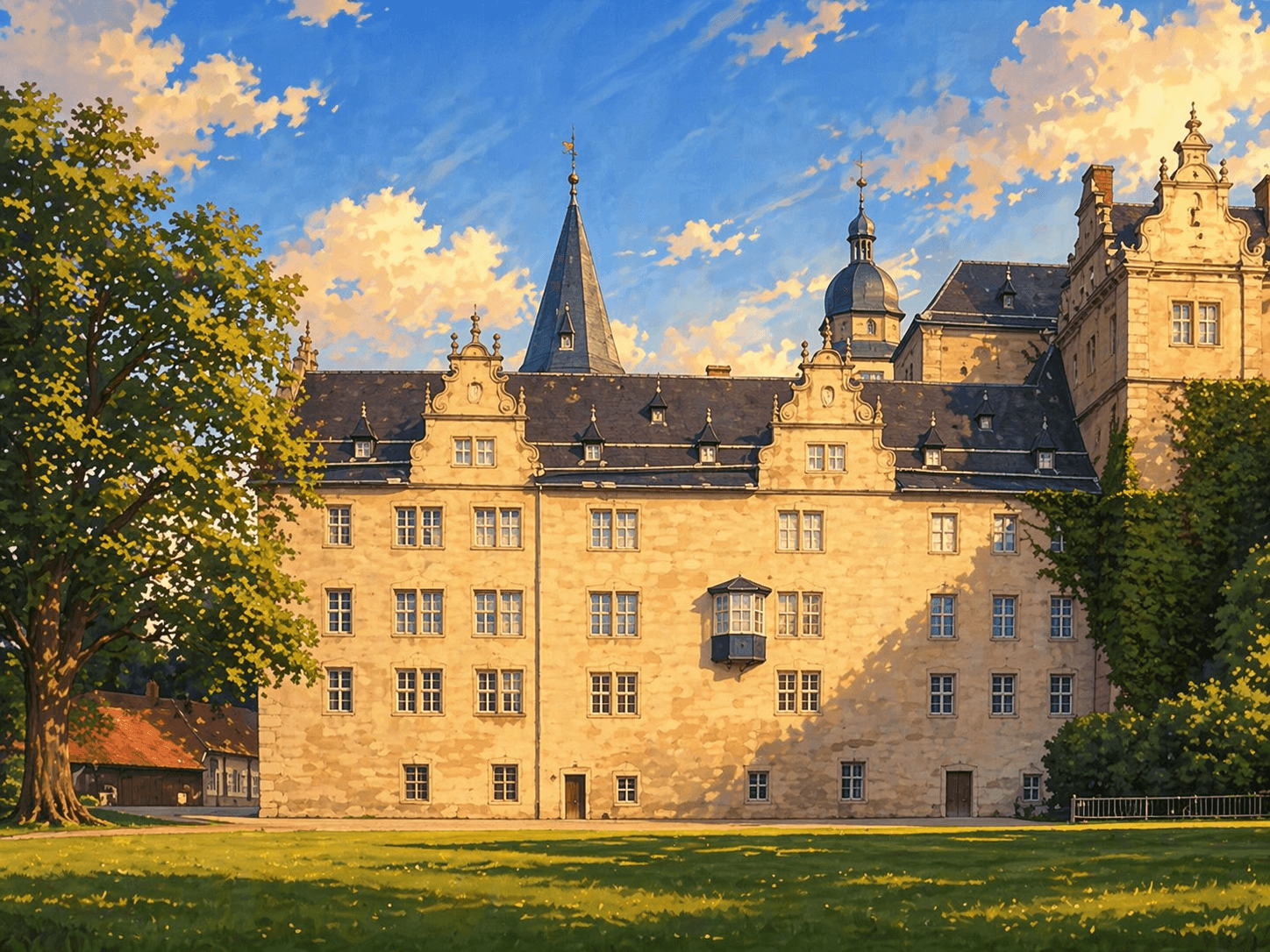
In March 2026, Wolfburg's Youth Welfare Committee took important steps toward the future of daycare centers, integration support for children under 18, and youth participation. The focus was on renovations, personnel development, and strengthening the City's Youth Commission.
Wolfburg Invests in the Future-Readiness of Youth Policy
In mid-March 2026, the Youth Welfare Committee of the City of Wolfburg met to discuss central topics of youth policy. Among other issues, the meeting addressed measures for the renovation and renewal of municipal daycare centers (Kitas), developments in integration support for children under 18, and strategies for strengthening youth participation. The discussions reflect a clear trend: Wolfburg aims to secure the future-readiness of its youth policy—through investments in infrastructure, digital processes, and a stronger inclusion of young people in political decision-making.
Renovations and New Construction in Kitas: An Investment in the Future
A central topic of the committee meeting was the report on the structural condition of the city's daycare centers. As the building owner, Wolfburg is responsible for several Kitas, many of which urgently require renovations or even replacement construction. In some Kitas, roof repairs, window and façade renovations, and structural adaptations to meet pedagogical needs are planned. Other facilities have a remaining useful life of only 5–10 years, making replacement a consideration.
The city has submitted funding applications to help reduce the costs of these measures. At the same time, it is examining whether future additions or expansions will be necessary to meet the increasing demand for childcare places. These investments are not only a matter of structural safety but also a signal of the stability and quality of early childhood education in Wolfburg.
Integration Support for Under 18: Staffing, Budgets, and Digital Future
Another important topic was the report on integration support for children under 18. The number of cases rose to 970 in 2025, with a focus on school accompaniment, autism therapy, and outpatient/inpatient support. Transfer payments increased by 11.6 percent to 29.19 million euros. Integration support was transferred to the Youth Department on August 1, 2025, and since then, Erika Plaß has been the new department head.
In the future, digital processes and systems will be further developed to increase efficiency and transparency. At the same time, work is underway to clarify interfaces and stabilize carrier structures. These measures aim not only to ensure the quality of support but also to stabilize costs—a challenge that is gaining in importance amid rising demand.
Youth Participation: From the Commission to Social Media
The Children and Youth Commission was another focal point discussed in the meeting. The aim is to strengthen the reach and relevance of the commission. This includes, among other things, a stronger presence on social media, the inclusion of political topics through faction reports and visits to local councils, and increasing visibility in the Youth Welfare Committee through commission proposals.
New young experts were elected to develop measures for strengthening the commission. The youth center "Haltestelle" at the central bus station was presented, and there were discussions on the establishment of child representatives in local councils as well as the "Child-Friendly Community" certification. These steps show how Wolfburg wants to anchor youth participation not only at the political level but also in the everyday lives of young people.
Outlook: A City Investing in the Future
The decisions and reports of the Youth Welfare Committee in March 2026 underline that Wolfburg is a city that actively invests in the future of its youngest citizens. Whether through structural renovations, digital processes, or the stronger inclusion of young people in political decisions, the city shows itself open to innovation and responsibility. The coming months will show how these strategies perform in practice and whether they lead to a sustainable strengthening of youth policy.
NeoSearch analyses public council documents, committee minutes and municipal announcements. Source references appear automatically once verified meeting data is available.
What does this mean for businesses?
Schools, daycare centres and public buildings create early planning and construction opportunities. Following council agendas surfaces tenders for refurbishment, new builds and fit-out months before the official award — from shell construction to specialist planning to furnishing.
Track similar decisions in your region
Set up monitoring for education & public facilities in Niedersachsen — prefilled from this article.
Set up monitoring →More signals from Wolfsburg
Wolfburg's Health Policy in April 2026: Integration, Care, and Senior Involvement in Focus
In April 2026, Wolfburg focused on central topics in health policy: the integration of employable asylum seekers into the health sector, the future of senior involvement, and the further development of care provision. The Social and Health Committee discussed concrete measures and initiatives that could shape the future of healthcare in the city.
Read more → Wolfenbüttel's Cultural Promotion in April 2026: Digitalization, Space Planning, and Democratic Transparency
In April 2026, Wolfenbüttel set new standards in cultural and community policy with concrete steps. The focus was on digitalization projects, space utilization in the cultural context, and strengthening democratic transparency in administration and cultural work. Here is an analysis of the most important developments.
Read more → Wolfsburg's Climate Protection: Feasibility Study for Allersee Heat Pump and Further Environmental Measures in April 2026
In April 2026, decisive debates took center stage in Wolfsburg's Environment and Climate Protection Committee. A feasibility study on using the Allersee for a heat pump, the Masterplan 100% Climate Protection, and initiatives for land de-sealing and the promotion of renewable energy show how the city plans to concretely achieve its climate goals – and where boundaries exist.
Read more →