Governance and Administration in Stuttgart: Focus on Plieningen in February 2026
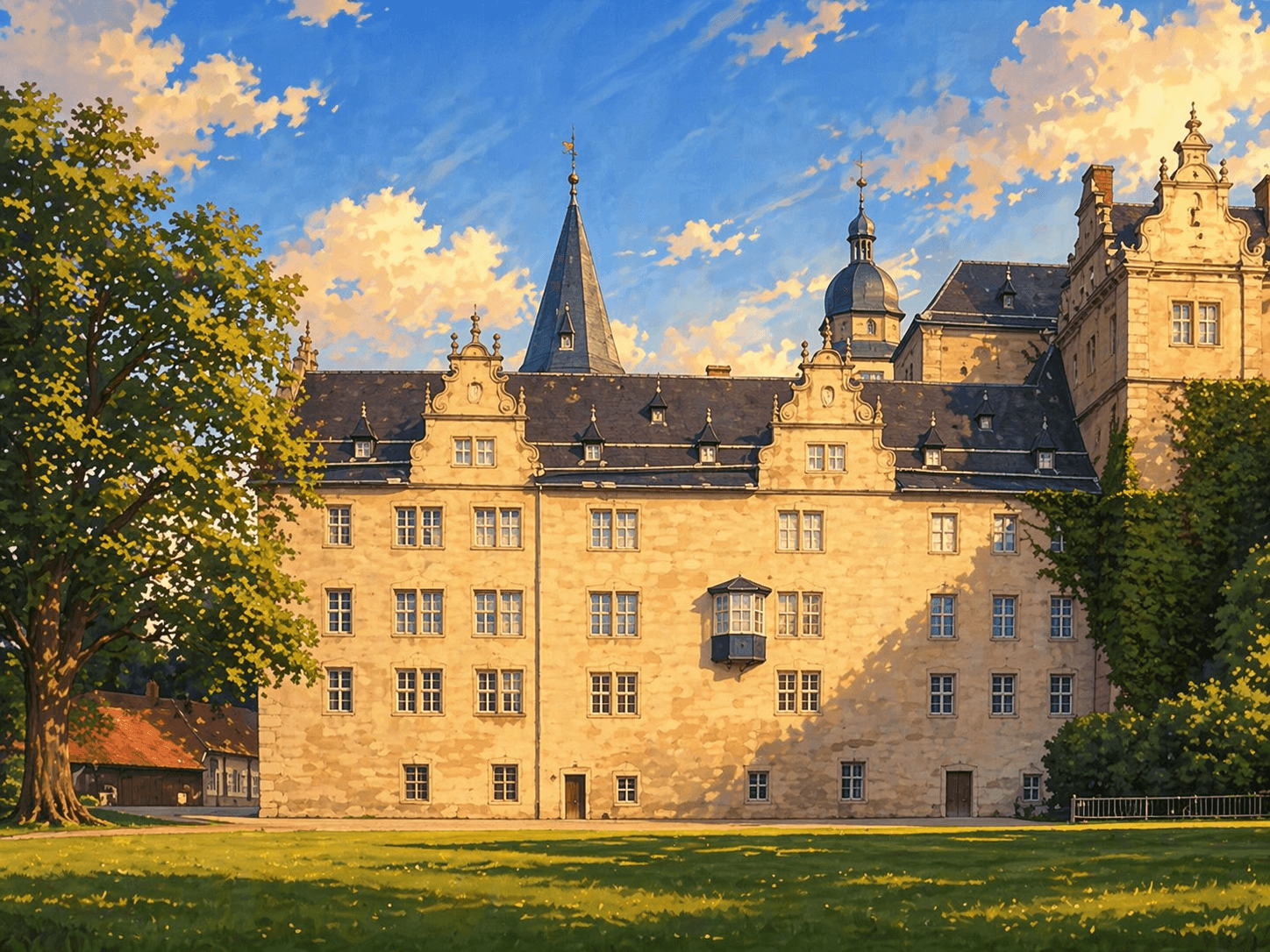
In February 2026, the District Advisory Board of Plieningen was marked by significant decisions and debates in the areas of governance and administration. From applications for energy preparedness to inquiries about transparency and resources in the municipal authority – the month brought exciting discussions and political tensions.
Governance and Administration in the Spotlight: The District Advisory Board of Plieningen in February 2026
Governance structures and administrative processes in cities like Stuttgart are crucial for implementing citizen-oriented policy. In February 2026, several topics from this field were at the center of attention in the District Advisory Board of Plieningen, affecting both political work and administration. From changes in the advisory board and budget discussions to applications for energy preparedness and transparency – the month brought a wide range of decisions and debates.
Decisions and Debates: Applications and Inquiries in February
The public meeting of the District Advisory Board of Plieningen on February 2, 2026, was characterized by political applications and inquiries that directly addressed the topic of governance. One of the central issues was the application by Bündnis 90/Die Grünen (Alliance 90/The Greens) on preparedness against potential widespread power outages. This was ultimately approved by a majority, showing that political forces in Plieningen want to respond to potential energy crises.
Opposing this were applications and inquiries from the AfD, which also targeted governance and administration. For example, the AfD demanded transparent information for associations regarding funding opportunities and meeting dates. This application was rejected. Likewise, inquiries regarding support for low-income senior citizens and a comparison of responsibilities and staffing resources of the municipal authority remained unanswered, as they were also rejected.
The discussions show the tensions between demands for transparency, citizen-oriented politics, and the complexity of state tasks. While Bündnis 90/Die Grünen focused on preparedness and crisis management, the AfD pursued a stronger emphasis on civic participation and administrative clarity.
The Role of the Municipal Authority: Responsibilities and Challenges
Another central topic was the comparison of tasks, responsibilities, and resources of the municipal authority in the district of Plieningen. The municipal authority is responsible for a wide range of issues, including:
- Traffic monitoring
- Inspections of pedestrian and crosswalk areas
- Monitoring special uses of public space
- Measures for cleanliness and littering
- Noise complaints
- Inspections in the vicinity of restaurants and events
- Implementation of parking management
- Leash requirements for dogs in public green spaces
These tasks demonstrate how diverse and challenging the work of the municipal authority is. At the same time, the discussion also addressed usage conflicts and impairments to traffic safety. The AfD's inquiry, which requested a comparison of responsibilities and resources, remained unanswered, indicating possible bottlenecks in the administrative structure.
Governance as a Challenge: Evolving Structures
The District Advisory Board of Plieningen itself is a central actor in municipal governance. Sarah Steck, the district councilor, played an active role in the debates. The discussions showed that governance is not only a matter of structures, but also of personnel resources, political priorities, and the exchange between administration and politics.
The voting on applications and inquiries in February 2026 underlines the importance of political transparency and accountability. At the same time, it becomes clear that not all demands for greater insight into administrative work are being addressed – a challenge for future governance strategies in Plieningen.
Outlook: Governance in the Future
The debates in February 2026 should not be viewed in isolation, but as part of a broader discussion about the future of governance in cities like Stuttgart. The question of how politics and administration can work more effectively and transparently together remains pressing. In Plieningen, it will be important in the future to create structures that are both citizen-oriented and efficient.
The current discussion on energy preparedness, transparency, and resource management in the municipal authority is a step in this direction – even though not all questions were answered. For the future, it remains to be hoped that governance structures not only react to political priorities, but also actively develop solutions for the challenges of urban development.
NeoSearch analyses public council documents, committee minutes and municipal announcements. Source references appear automatically once verified meeting data is available.
What does this mean for businesses?
Town halls, fire stations, depots and administrative buildings create early construction and refurbishment opportunities. Following council agendas reveals projects before they go to tender.
Track similar decisions in your region
Set up monitoring for public buildings & administration in Niedersachsen — prefilled from this article.
Set up monitoring →More signals from Wolfsburg
Wolfburg's Health Policy in April 2026: Integration, Care, and Senior Involvement in Focus
In April 2026, Wolfburg focused on central topics in health policy: the integration of employable asylum seekers into the health sector, the future of senior involvement, and the further development of care provision. The Social and Health Committee discussed concrete measures and initiatives that could shape the future of healthcare in the city.
Read more → Wolfenbüttel's Cultural Promotion in April 2026: Digitalization, Space Planning, and Democratic Transparency
In April 2026, Wolfenbüttel set new standards in cultural and community policy with concrete steps. The focus was on digitalization projects, space utilization in the cultural context, and strengthening democratic transparency in administration and cultural work. Here is an analysis of the most important developments.
Read more → Wolfsburg's Climate Protection: Feasibility Study for Allersee Heat Pump and Further Environmental Measures in April 2026
In April 2026, decisive debates took center stage in Wolfsburg's Environment and Climate Protection Committee. A feasibility study on using the Allersee for a heat pump, the Masterplan 100% Climate Protection, and initiatives for land de-sealing and the promotion of renewable energy show how the city plans to concretely achieve its climate goals – and where boundaries exist.
Read more →