Mobility in Lüneburg: Sustainability, Digitization, and Infrastructure in Focus
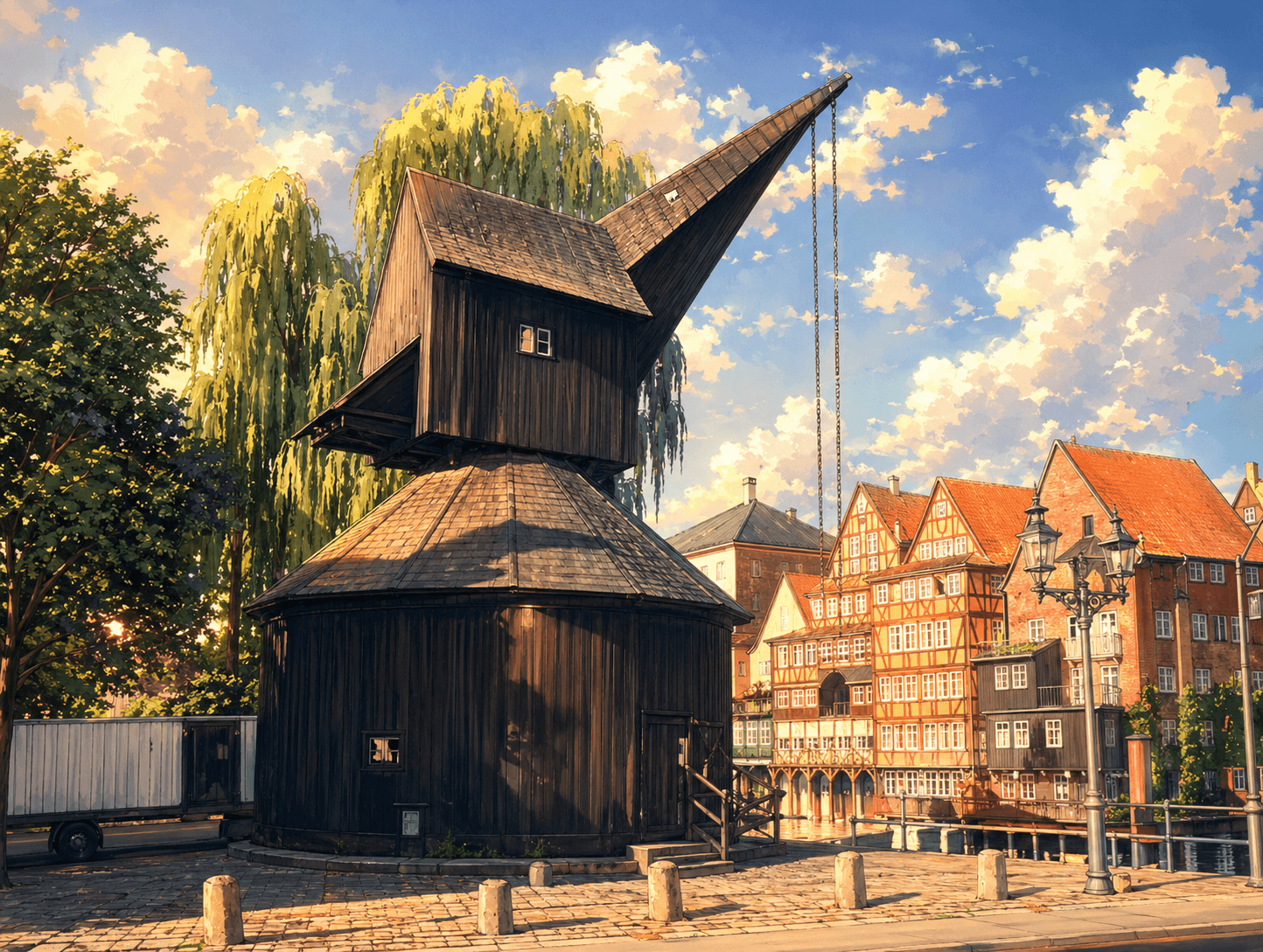
In February 2026, Lüneburg set clear priorities in its mobility policy: the Sustainable Urban Mobility Plan (NUMP), the expansion of cycling infrastructure, the digitization of public transport, and the barrier-free development of stops are central. The city has a clear goal: more safety, more sustainability, and an efficient transportation network for all.
Mobility Development in Lüneburg: Focus in February 2026
Lüneburg's mobility policy has undergone significant changes in recent years. With a focus on sustainability, safety, and digitization, the city is promoting a modern, inclusive, and climate-friendly transportation network. In February 2026, several key measures were decided and advanced, which could shape the future of mobility in the region.
Sustainable Mobility Planning and Safety
The Sustainable Urban Mobility Plan (NUMP) was at the center of discussions in the Mobility Committee. Measures such as "Safe School Zones" and the creation of 50 junctions and crossings by 2035 are part of a broad plan aimed at increasing safety and accessibility in the urban area. Particularly noteworthy is the planned redesign of the Sternkreuzung intersection, where pedestrian and cycling paths will be expanded, green strips integrated, and the road surface renewed. This measure will not only improve road safety but also strengthen cycling. The renovation is well financially secured: 2.9 million euros will be invested, with 60% funded by third-party resources.
Cycling Infrastructure Optimization: Strategy and Implementation
The Cycling Strategy until 2035 is another key focus. In total, 59 measures have been planned, including 44 structural and 15 traffic-related ones. By 2025, 18 structural and 16 traffic-related measures had already been implemented. Examples such as the widening of cycle paths between Bögelkreisel and Sternkreuzung or the redesign between Pulverweg and Horst-Nickel-Straße demonstrate how the city is gradually building a safe and continuous cycling network. The goal is to make Lüneburg a city of short distances, where cycling is safe, convenient, and attractive.
Public Transport and Digital Transformation
Public transport is undergoing a fundamental transformation. MOIN GmbH takes over the bus operations as of January 2026, which has led to technical and organizational challenges. For example, prepaid cards were initially unavailable, and there were disruptions in the schedule. However, the city is actively working on solutions – real-time data is now integrated into apps and portals, and the barrier-free development of bus stops is well under way. 139 out of 318 stops have already been renovated, and an annual budget of 400,000 euros ensures the continuation of these measures.
School Travel Plans and Safety in the School Environment
Another focus was on school travel plans, which aim to increase the safety of children in the school environment. Each year, 1–2 school travel plans are developed, with schools on the city outskirts given priority. The collaboration with schools, parents, the police, and disability organizations is central. The city plans to allocate 100,000 euros annually for these measures starting in 2027. Specifically, schools like the Igelschule or the Hermann-Löns-Schule are already in the implementation phase.
Outlook for the Future
With these measures, Lüneburg is demonstrating how a modern city must think and design mobility: sustainable, inclusive, and digitally connected. The implementation of the cycling strategy, barrier-free public transport, and the creation of safe school environments are not only technical challenges but also political decisions that change the daily lives of citizens. Although there are points of criticism – for example, regarding digitization or the implementation of the commuter portal – the city is actively working on solutions. The coming years will show whether Lüneburg will actually achieve its goals: more safety, more sustainability, and more mobility for all.
NeoSearch analyses public council documents, committee minutes and municipal announcements. Source references appear automatically once verified meeting data is available.
What does this mean for businesses?
Urban development, zoning plans and commercial settlements create early construction and supply opportunities. Following council decisions reveals projects before they go to tender.
Track similar decisions in your region
Set up monitoring for economic development in Niedersachsen — prefilled from this article.
Set up monitoring →More signals from Lueneburg
Lüneburg's Path into the Future of Care – April 2026
In April 2026, Lüneburg sets key impulses for a forward-looking design of care. The Hospital St. Nikolaihof Foundation presents the Senior and Care Support Center (SPN) and provides insights into the implementation of funding applications. An overview of current developments in the field of health and public health.
Read more → Lüneburg's Urban Development: Between Renovation, New Construction, and Climate Protection
In April 2026, Lüneburg has taken decisive steps in urban development and construction planning – from the renovation of the IGS Kreideberg to the redesign of the Wagenplatz in the northwest of the city. An overview of the most important topics, backgrounds, and consequences.
Read more → Education Policy in Lüneburg: School Development and Full-Day Schools in April 2026
In April 2026, Lüneburg made significant progress in education policy. The joint school development process of the Hanseatic city and the district, as well as the implementation of the legal entitlement to full-day care at primary schools, were central topics. These measures demonstrate how Lüneburg is responding to future challenges in education.
Read more →