Lüneburg in the Spotlight: Mobility, Education, and Urban Development in February 2026
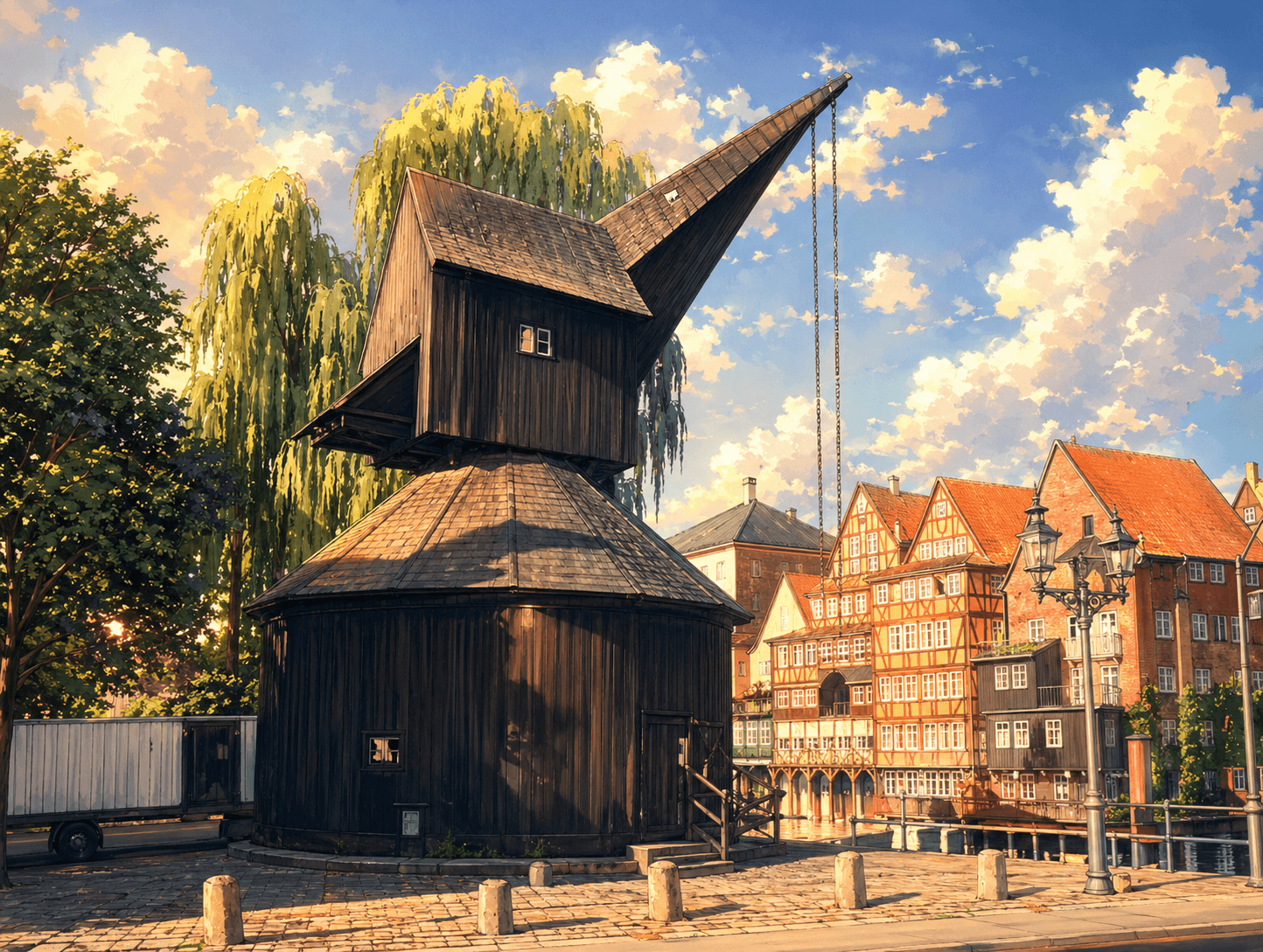
In February 2026, Lüneburg took decisive steps toward sustainable mobility, educational support, and urban development. Here are the most important developments of the month.
Rethinking Mobility – Investments in Infrastructure and Accessibility
In February 2026, Lüneburg made a significant advancement in the field of mobility. The Mobility Committee decided to plan for more than 650,000 euros per year in the coming years to improve pedestrian and cycling infrastructure. This includes:
- 250,000 euros for crossings and structural renovations,
- 250,000 euros for the enhancement of main pedestrian routes,
- 50,000 euros for equipping locations with tactile paving for the visually impaired,
- 100,000 euros for the development of school route plans.
Another focus was the modernization of the bus network, which has been taken over by MOIN GmbH since 2026. The city plans to equip up to 8 bus stops with 75% state funding, and to put 139 barrier-free stops and 90 new buses into operation.
Education as an Investment in the Future
Investments in educational infrastructure were a central topic in several committees. The local council of Ochtmissen and Oedeme unanimously decided to allocate 20 million euros from the special fund for infrastructure and climate neutrality until 2040 for the expansion and modernization of schools and kindergartens. Overall, 230 million euros in educational investments are planned until 2040.
The administration is tasked with developing master plans for school locations and establishing transparent criteria for prioritizing projects. Additionally, more staff resources will be provided in the construction and school administration departments to ensure the implementation of these projects.
Urban Development and Neighborhood Planning
The Committee for Construction and Urban Development decided to expand the renovation area "Western Water District" by including the town hall. The redevelopment regulation will be adjusted, and the administration is tasked with examining measures for public participation, neighborhood management, and public communication.
Important projects such as the facade renovation of the town hall (4 million euros), the revitalization of the Kaltenmoor sports facility (900,000 euros), and the construction of the new eastern fire station (40 million euros) were highlighted. In addition, a model project for a socially acceptable leasehold right will be introduced to support financially burdened households.
Sports and Integration – Working Together for an Inclusive City
The Sports Committee supported local clubs with 27,649 euros from the 2026 sports support fund, and a new artificial turf field built by VfL Lüneburg is being heavily used. In the long term, the city plans to develop a Bilmer Berg Sports Park (19.9 million euros) and to expand municipal sports funding.
The Integration Advisory Board presented the draft of the rules of procedure and emphasized the importance of public communication, migrant sensitivity, and networking. The project "Lüneburger Weeks Against Racism 2026" will continue with a workshop in March.
Public Participation and Citizen Involvement in Focus
In February it became clear that citizen participation and transparency were central to municipal work. The administration is tasked with examining possibilities to strengthen neighborhood work, and the Sports Advisory Board will be included in planning processes. In addition, a supplementary review of the Hospital Foundations' asset portfolios will be conducted to make them more sustainable.
Conclusion and Outlook
February 2026 in Lüneburg was characterized by clear decisions in the areas of mobility, education, urban development, and integration. The city is investing in sustainable projects that are intended to bear fruit not only today but also in the future. In the coming months, further renovation projects, personnel decisions, and integration initiatives will be on the agenda – and citizens will be actively involved in the process.
NeoSearch analyses public council documents, committee minutes and municipal announcements. Source references appear automatically once verified meeting data is available.
What does this mean for businesses?
Schools, daycare centres and public buildings create early planning and construction opportunities. Following council agendas surfaces tenders for refurbishment, new builds and fit-out months before the official award — from shell construction to specialist planning to furnishing.
Track similar decisions in your region
Set up monitoring for education & public facilities in Niedersachsen — prefilled from this article.
Set up monitoring →More signals from Lueneburg
Lüneburg's Path into the Future of Care – April 2026
In April 2026, Lüneburg sets key impulses for a forward-looking design of care. The Hospital St. Nikolaihof Foundation presents the Senior and Care Support Center (SPN) and provides insights into the implementation of funding applications. An overview of current developments in the field of health and public health.
Read more → Lüneburg's Urban Development: Between Renovation, New Construction, and Climate Protection
In April 2026, Lüneburg has taken decisive steps in urban development and construction planning – from the renovation of the IGS Kreideberg to the redesign of the Wagenplatz in the northwest of the city. An overview of the most important topics, backgrounds, and consequences.
Read more → Education Policy in Lüneburg: School Development and Full-Day Schools in April 2026
In April 2026, Lüneburg made significant progress in education policy. The joint school development process of the Hanseatic city and the district, as well as the implementation of the legal entitlement to full-day care at primary schools, were central topics. These measures demonstrate how Lüneburg is responding to future challenges in education.
Read more →