Graal-Müritz: Urban Development in the Era of the Energy Transition – A Monthly Analysis for February 2026
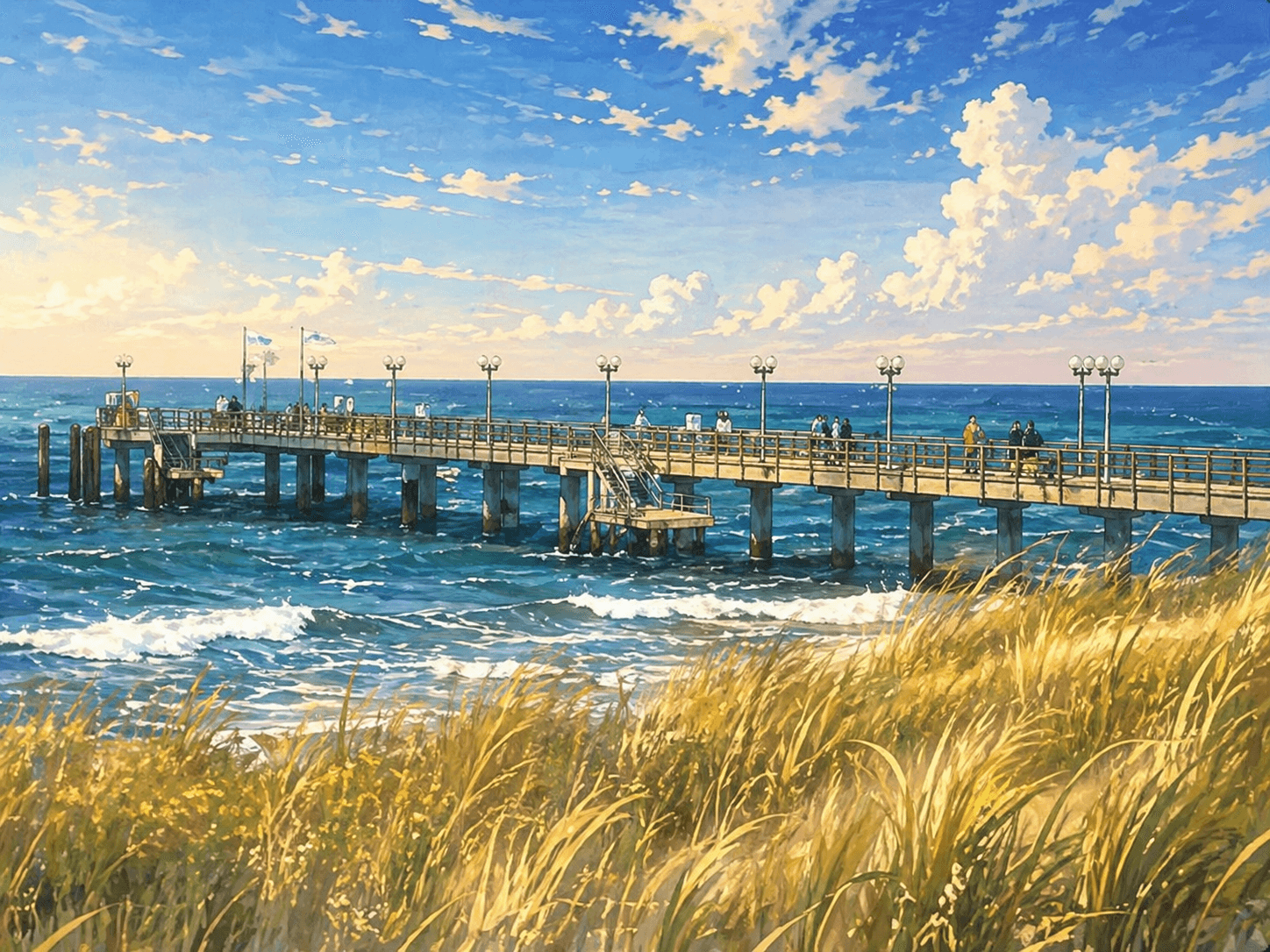
In February 2026, Graal-Müritz focused on key topics of urban development and construction planning. The municipality has made decisive regulations on beach use, dune protection, and the future of heating supply. This blog post provides an analysis of the most important political decisions, their background, and their implications.
Graal-Müritz: Urban Development in Transition – Regulations and Visions
In February 2026, the municipality of Ostseeheilbad Graal-Müritz engaged intensively with issues of urban development and construction planning on multiple levels. Alongside the preservation of natural heritage such as dunes and beach areas, the alignment of the city's energy supply toward climate neutrality was central. The political decisions illustrate how sensitive and precise urban action must be in a tourism-oriented municipality to balance ecological, economic, and social interests.
Redefining Beach Use: Rules for Coastal Protection
At the center of attention was the revised Beach Regulation, which regulates a wide range of aspects—from the use of dogs and surf zones to special uses and sales facilities. The new regulation replaces the one in effect since 2012 and introduces clear provisions that strengthen the protection of the coast and the safety of users.
A central point is the ban on entering and driving on dunes, with exceptions only for authorized persons and institutions. Access to the coast is more strictly regulated, promoting the protection against environmental pollution and the overuse of the sensitive ecosystem. In addition, the unauthorized setting up of tents, campers, and vehicles is prohibited, which increases order and strengthens the protection of natural resources.
The regulations on special uses include, for example, the sale from mobile facilities, the operation of beach loungers, and the use of electric vehicles. Particularly notable is the requirement for biodegradable tableware, aligning with single-use plastic bans and underscoring the protection of the marine environment.
Dune Protection as a Central Component of Nature Conservation Policy
The Dune Protection Agreement with the State Office for Agriculture and the Environment (StALU MM) has been updated. Entering dunes and salt marshes is generally prohibited to ensure protection against erosion, damage to wildlife and vegetation. Exceptions can be applied for, but they must comply with nature conservation requirements.
These rules show how Graal-Müritz is responding to the challenges of climate change and tourist pressure with sensitive, yet necessary action. Dune protection is not only an ecological concern but also a tourism resource—after all, the coastal landscape is a central image of the municipality.
Energy Transition as the Key to Climate Neutrality
In the area of energy and heating transition, Graal-Müritz has made a decisive step forward. The Municipal Heating Plan, completed in January 2026, lays the foundation for a climate-neutral heating supply by 2045. The plan provides for a technology mix of decentralized heat sources such as air-source heat pumps (75%), biomass (24%), and a small share of direct electric heating (1%).
A central aspect is the decentralization of the heating supply, which is particularly sensible in Graal-Müritz due to the landscape and building conditions. Central heating networks are not feasible due to the density of buildings and the lack of space for production parks. Therefore, the municipality is relying on technologies that integrate well into the existing infrastructure—such as heat pumps or solar thermal systems.
In addition, funding programs and financial strategies have been defined to make the heating transition financially viable. The municipality plans to use funding from the BEW program (Federal Program for Efficient Heat) for feasibility studies and investments.
Future of Housing Allocation and Housing Development
Alongside energy and nature conservation policy, topics of housing development were also in focus. The guidelines for the allocation of rental housing were adjusted, for example, to better accommodate shared housing or mobile work. In addition, a balcony extension for certain apartments was decided, seen as a measure to increase living quality and improve energy efficiency.
The costs for the balcony extension were estimated at around 148,674 euros, with the municipality covering the majority. The modernization surcharge for tenants is 166 or 123 euros per month, depending on their social situation. The measure is evaluated as economically sound and increasing living quality, with no significant environmental burdens expected.
Conclusion: Urban Development as a Balancing Act
The decisions and regulations of February 2026 show how Graal-Müritz is positioning itself as a modern municipality in transition. The balance between tourism interests, ecological protection, and climate-neutral energy supply is challenging, yet the municipality proves that it can act sustainably with clear guidelines and long-term planning.
The future of urban development in Graal-Müritz will depend on how well these political decisions are implemented—not only in the administration but also among the residents. With the heating plan and the new beach regulation, the municipality has created two central pillars on which development can build up to 2045 and beyond.
NeoSearch analyses public council documents, committee minutes and municipal announcements. Source references appear automatically once verified meeting data is available.
What does this mean for businesses?
Urban development, zoning plans and commercial settlements create early construction and supply opportunities. Following council decisions reveals projects before they go to tender.
Track similar decisions in your region
Set up monitoring for economic development in Mecklenburg-Vorpommern — prefilled from this article.
Set up monitoring →More signals from Graal-Mueritz
Traffic Policy in Graal-Müritz: Modernization, Safety, and Sustainability in Focus
In April 2026, traffic policy was at the center of attention in Graal-Müritz. The municipality decided on measures for energy efficiency, safety, and infrastructure development. The focus was on the conversion of street lighting, the designation of new streets, and the renovation of drainage systems.
Read more → Urban Development in Graal-Müritz – Focus on Infrastructure, Finance, and Sustainability
In April 2026, the municipality of Graal-Müritz made important decisions in the fields of urban development and construction. Road designations, energy efficiency measures, and budget planning illustrate a community actively preparing for future challenges.
Read more → Retrospective on April 2026 in Graal-Müritz
In April 2026, Graal-Müritz made key decisions regarding street designations, energy efficiency, and budget planning. Here is an overview.
Read more →