Climate Adaptation and Sustainability in Graal-Müritz: How the Baltic Sea Spa Town is Responding to Climate Change
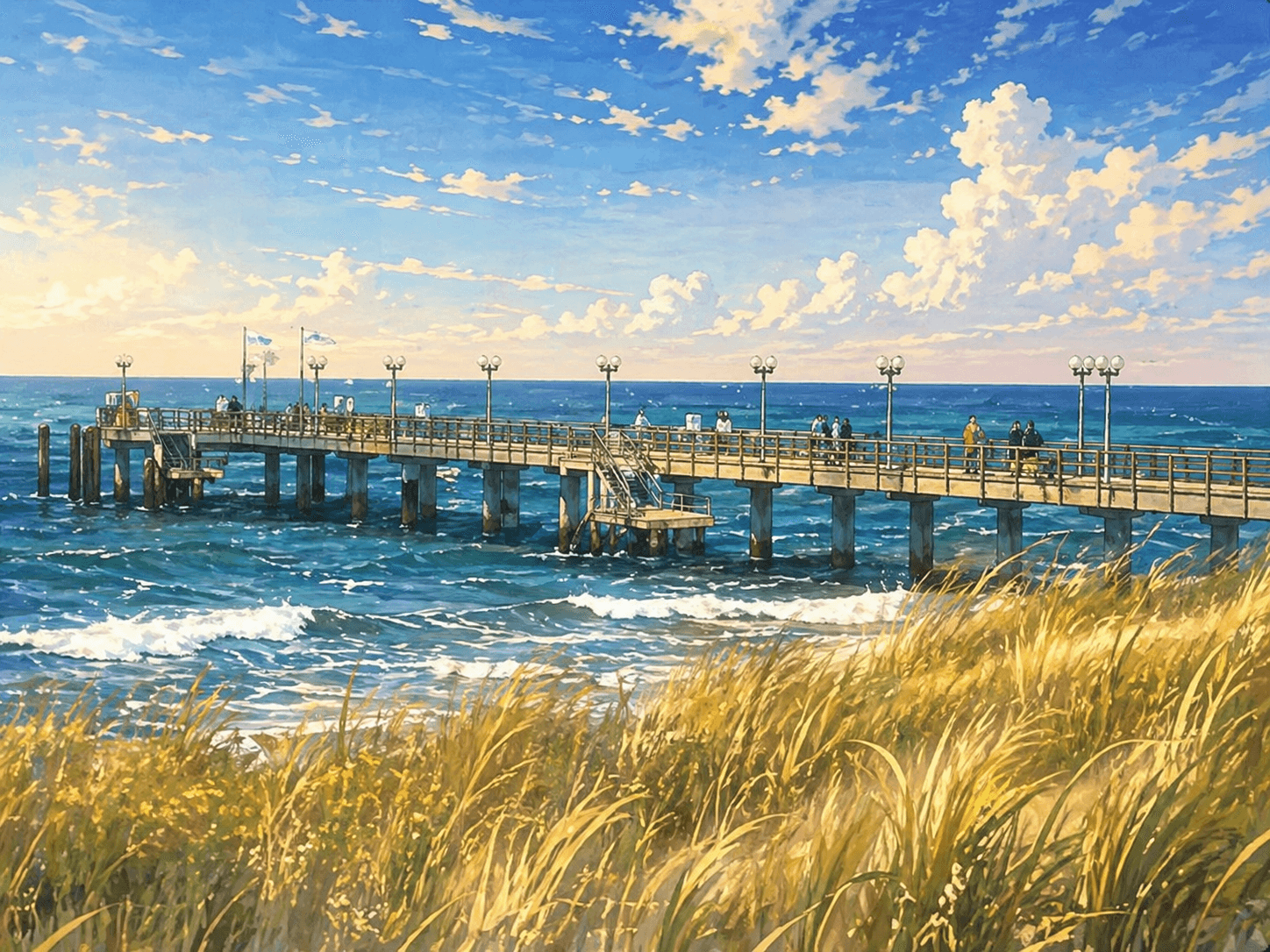
In March 2026, Graal-Müritz took decisive steps toward climate adaptation and sustainable tourism development. The community is implementing a comprehensive beach use concept, investing in ecologically compatible infrastructure, and strengthening the healing forest as a central recreational area.
Climate Adaptation and Sustainability in Graal-Müritz: A Community in Transition
The municipality of Graal-Müritz, known for its unique location on the Mecklenburg Baltic Sea coast, faces the challenge in March 2026 of actively combating climate change while ensuring the long-term attractiveness of tourism. Through an intensive period of planning and decision-making, the municipal council has adopted several key measures with both ecological and economic implications.
Beach Use Concept: Legally Compliant and Future-Proof
A central aspect of the March decisions is the development of a beach use concept, to be implemented by 2027. This concept aims to ensure that the use of the beach and dune landscape remains legally compliant, sustainable, and resilient to the effects of climate change.
The requirements of the Mecklenburg-Vorpommern Water Resources Act (LWaG), the Federal Water Management Act, and the Nature Conservation Implementation Act (NSAG) must be strictly adhered to. In particular, § 84 Abs. 5 LWaG states that uses that impair the protective function of the dunes are generally prohibited. Only when an exception is granted and the protective function is not affected is use permitted.
For example, structures such as kiosks and beach chair rentals must be dismantled within 12 hours during storm surge warnings. Minimum beach heights and distances from the base of the dunes must also be observed. The municipality will present a concept by 2027 that harmonizes climate adaptation, dune protection, nature conservation, and storm surge preparedness.
Tourism Concept 2025–2035: Sustainability as a Strategic Goal
In March 2026, the Tourism Concept 2025–2035 was also adopted and established as a strategic framework for future development. Particular emphasis is placed on climate adaptation, sustainability, and year-round tourism as key action areas.
The municipality plans to expand nature-based offerings such as moor and forest experiences to extend the tourist season. At the same time, sustainability is used as a unique selling point: LED lighting, e-mobility, climate-resilient infrastructure, and the preservation of ecological resources are integral to the strategy.
Another focus is the health tourism strategy, which centers on preventive, regenerative, and holistic offerings. The healing forest plays a central role in this. It is being established as a certified healing forest and offers experiences such as forest bathing (Shinrin-Yoku), breathing therapy, or stress prevention.
The Healing Forest as a Central Recreational Area
The healing forest is not only a natural conservation area but also a key component of the tourism development plan. In the March decisions, a healing forest center is planned to serve as an information and event venue. Guided health programs, barrier-free paths, digital monitoring, and a tree canopy walkway are intended to strengthen the healing forest as a year-round attraction.
Another project is the certification of the healing forest, which enhances the municipality’s tourism reputation and attracts investors. In addition, nature education programs for children and youth are to be expanded to utilize the forest as an educational and recreational space.
Investments in Climate and Environmental Measures
The municipality plans numerous investments in sustainable infrastructure, including:
- Renovation of the pier with environmentally friendly materials, LED lighting, and barrier-free design
- Modernization of the Rhododendron Park with professional maintenance systems, Wi-Fi, picnic areas, and irrigation
- Expansion of the cycling network with ecological considerations in mind
- New approaches in the beach promenade: natural materials, green spaces, waste separation, and waste management
These measures are part of a broader plan to position Graal-Müritz as a modern, climate-friendly destination. The municipality is focusing on year-round tourism to not only increase tourist value creation but also to secure jobs in the health and tourism sectors.
Outlook: Graal-Müritz as a Model for Sustainable Coastal Tourism
The decisions of March 2026 demonstrate how strongly Graal-Müritz is responding to climate change. Through the development of a beach use concept, the strengthening of the healing forest, and investments in climate-resilient infrastructure, the municipality is setting standards in sustainable tourism development.
In the long term, the municipality aims to position itself as a model for modern, nature-connected, and health-oriented coastal tourism. With a clear focus on nature, health, and sustainability, Graal-Müritz is well-prepared to meet the challenges of climate change while increasing its tourism attractiveness.
NeoSearch analyses public council documents, committee minutes and municipal announcements. Source references appear automatically once verified meeting data is available.
What does this mean for businesses?
Municipal heat planning, photovoltaics and climate measures create early project indicators. Following council decisions surfaces sites and tenders before they are publicly advertised.
Track similar decisions in your region
Set up monitoring for environment & climate in Mecklenburg-Vorpommern — prefilled from this article.
Set up monitoring →More signals from Graal-Mueritz
Traffic Policy in Graal-Müritz: Modernization, Safety, and Sustainability in Focus
In April 2026, traffic policy was at the center of attention in Graal-Müritz. The municipality decided on measures for energy efficiency, safety, and infrastructure development. The focus was on the conversion of street lighting, the designation of new streets, and the renovation of drainage systems.
Read more → Urban Development in Graal-Müritz – Focus on Infrastructure, Finance, and Sustainability
In April 2026, the municipality of Graal-Müritz made important decisions in the fields of urban development and construction. Road designations, energy efficiency measures, and budget planning illustrate a community actively preparing for future challenges.
Read more → Retrospective on April 2026 in Graal-Müritz
In April 2026, Graal-Müritz made key decisions regarding street designations, energy efficiency, and budget planning. Here is an overview.
Read more →