Monthly Review Frankfurt (Oder): Culture, Education, and Administration in Focus
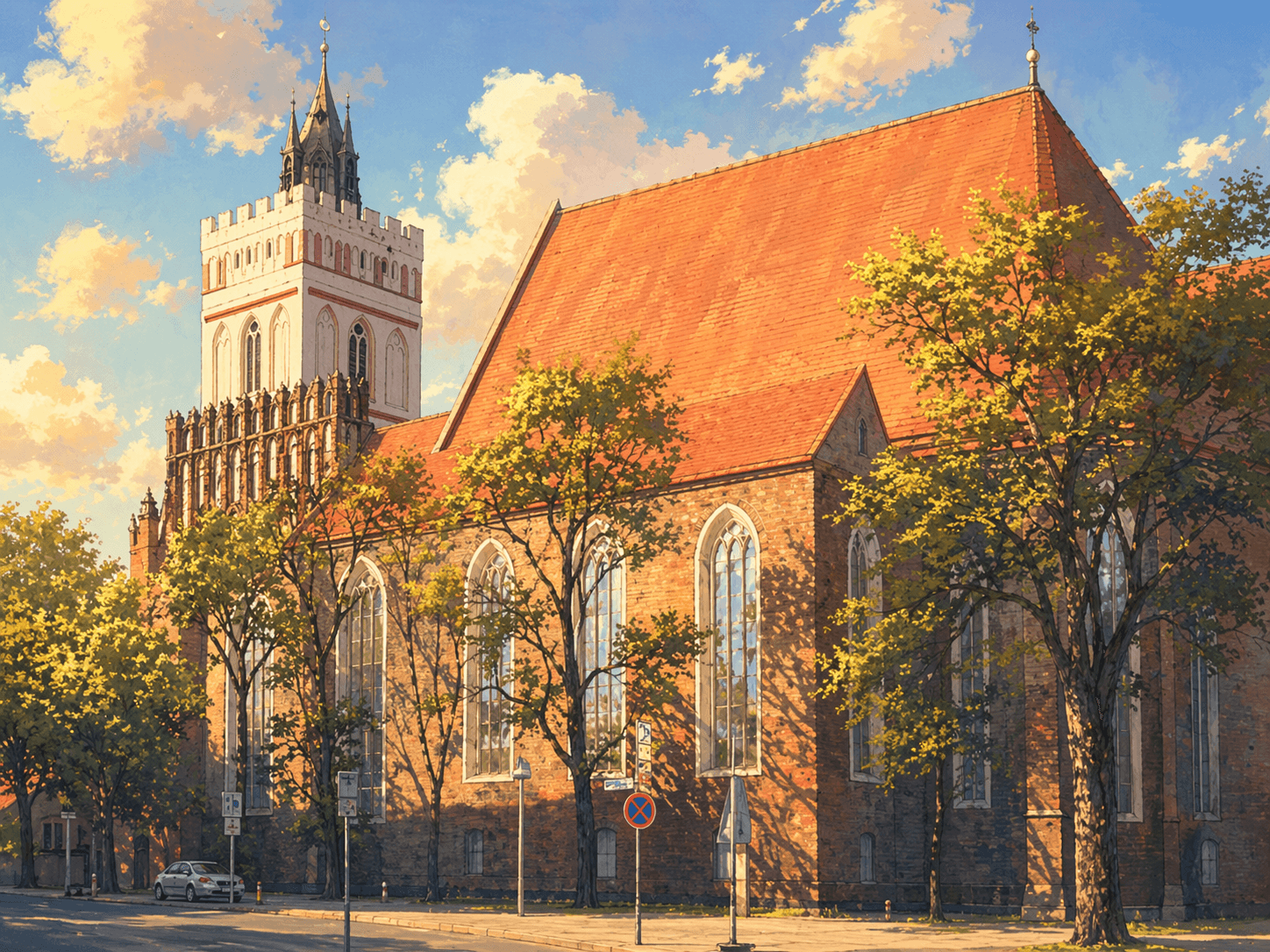
February 2026 brought important decisions in the areas of culture, education, and administrative structure in Frankfurt (Oder). Here is an overview.
Culture, Education, and Administration in Focus
What Was Important This Month
- Kindergarten Law Reform and Full-Day Childcare Entitlement: Brandenburg's kindergarten law reform is moving into implementation. The full-day childcare entitlement will apply from August 2026.
- Unfixed Contracts at the Music School: To ensure the long-term stability of course offerings, fixed-term contracts at the music school will be made permanent from January 2026.
- Cost Reduction for the Museum of Young Art: The construction costs of the project have been reduced by 13 million euros to minimize financial risks.
- Restructuring of the Administration: The administration will be divided into four departments to streamline processes.
- European Twin City Frankfurt (Oder) – Slubice: The Action Plan 2020–2030 is moving towards implementation. Educational projects and cross-border cooperation are advancing the collaboration.
- New Regulation of the Parking Ordinance: The parking ordinance will be adjusted to current legal and economic standards.
Culture: Securing the Course Offer and Investments
The municipal enterprise KULTURBETRIEBE has taken decisive steps in February to secure the cultural offerings. Fixed-term employment contracts at the Frankfurt (Oder) Music School will be made permanent from 01.01.2026 to ensure the stability of the teaching program. This decision also responds to the "Herrenberg ruling," which strengthens the rights of freelance staff. The process of making contracts permanent is expected to be completed by 31.03.2026.
In addition, it was decided to renovate the Museum of Young Art. The construction costs had risen from originally 23 million euros to 46.25 million euros. To cushion financial risks, it was decided to reduce the costs by 13 million euros. The city is also contributing 5.2 million euros as risk provision.
Education: New Perspectives and Cross-Border Cooperation
The kindergarten law reform in Brandenburg is a milestone for childcare in Frankfurt (Oder). The full-day childcare entitlement will apply from 01.08.2026. Additional costs are planned: 2.62 million euros for 2027 and 5.24 million euros annually from 2030, with the costs being covered by the state of Brandenburg. Another focus was the kindergarten "Am Kliestower See", which will remain closed until 31.07.2026. The FRÖBEL team is preparing for the continued care of children from 01.08.2026.
In the area of the European Twin City Frankfurt (Oder)–Slubice, educational projects such as "Learning the Twin City" and "Border Compass" were presented. In addition, work is underway on a Twin City app with tourism and communication goals. The Twin City is also applying to be the European Capital of Culture 2029.
Administration: Structure, Finance, and Processes
The Municipal Council has decided to restructure the administration into four departments. A restructured Department II for Construction and Environment is being created to optimize processes. A 2027 single budget with a special fund of 32.6 million euros is planned. The investments include, among others, the construction of a new swimming pool and a sports hall, and the renovation of the school on the eastern market side.
In the Audit Committee, the parking ordinance was reviewed. It is considered outdated and will be replaced by a dynamic calculation model. In the future, parking lot fees will be calculated based on the plot, taking into account the land value index and the construction costs.
Overarching Trends
February 2026 was marked by change and planning. In cultural and educational policy, Frankfurt (Oder) focused on long-term security and investment, while in the administration, structural and financial reforms were implemented. The European Twin City demonstrates how cross-border cooperation in education, culture, and tourism can open up new perspectives.
Conclusion and Outlook
February 2026 was a month of clear decisions and planning steps in Frankfurt (Oder). The securing of cultural offerings, investments in education, and a modern administrative structure show how the city is responding to change. March will show whether the planned projects and reforms can be consistently implemented.
NeoSearch analyses public council documents, committee minutes and municipal announcements. Source references appear automatically once verified meeting data is available.
What does this mean for businesses?
Schools, daycare centres and public buildings create early planning and construction opportunities. Following council agendas surfaces tenders for refurbishment, new builds and fit-out months before the official award — from shell construction to specialist planning to furnishing.
Track similar decisions in your region
Set up monitoring for education & public facilities in Brandenburg — prefilled from this article.
Set up monitoring →More signals from Frankfurt-Oder
Youth Policy in Frankfurt (Oder): Challenges, Developments, and Perspectives in April 2026
In April 2026, Frankfurt (Oder) focused on numerous youth policy issues – from childcare provision and child protection to educational and prevention programs. The Youth Welfare Committee extensively discussed developments, risks, and potential measures.
Read more → Governance and Administration in Frankfurt (Oder) – April 2026 in Focus
In April 2026, Frankfurt (Oder) saw numerous meetings of local advisory boards and administrative decisions in the areas of governance and administration. The city recorded both structural and communicative progress, while also facing challenges such as staff shortages and slow construction planning.
Read more → Frankfurt (Oder) in the Cultural Spotlight: Jubilee, Music, and Community in April 2026
In April 2026, Frankfurt (Oder) was entirely focused on cultural impulses and social connections. From jubilee preparations to the future of the Brandenburg State Orchestra and educational projects to cross-border cooperation – the month demonstrated how diverse the city shapes its cultural identity.
Read more →