Youth Policy in Frankfurt (Oder): Challenges, Developments, and Perspectives in March 2026
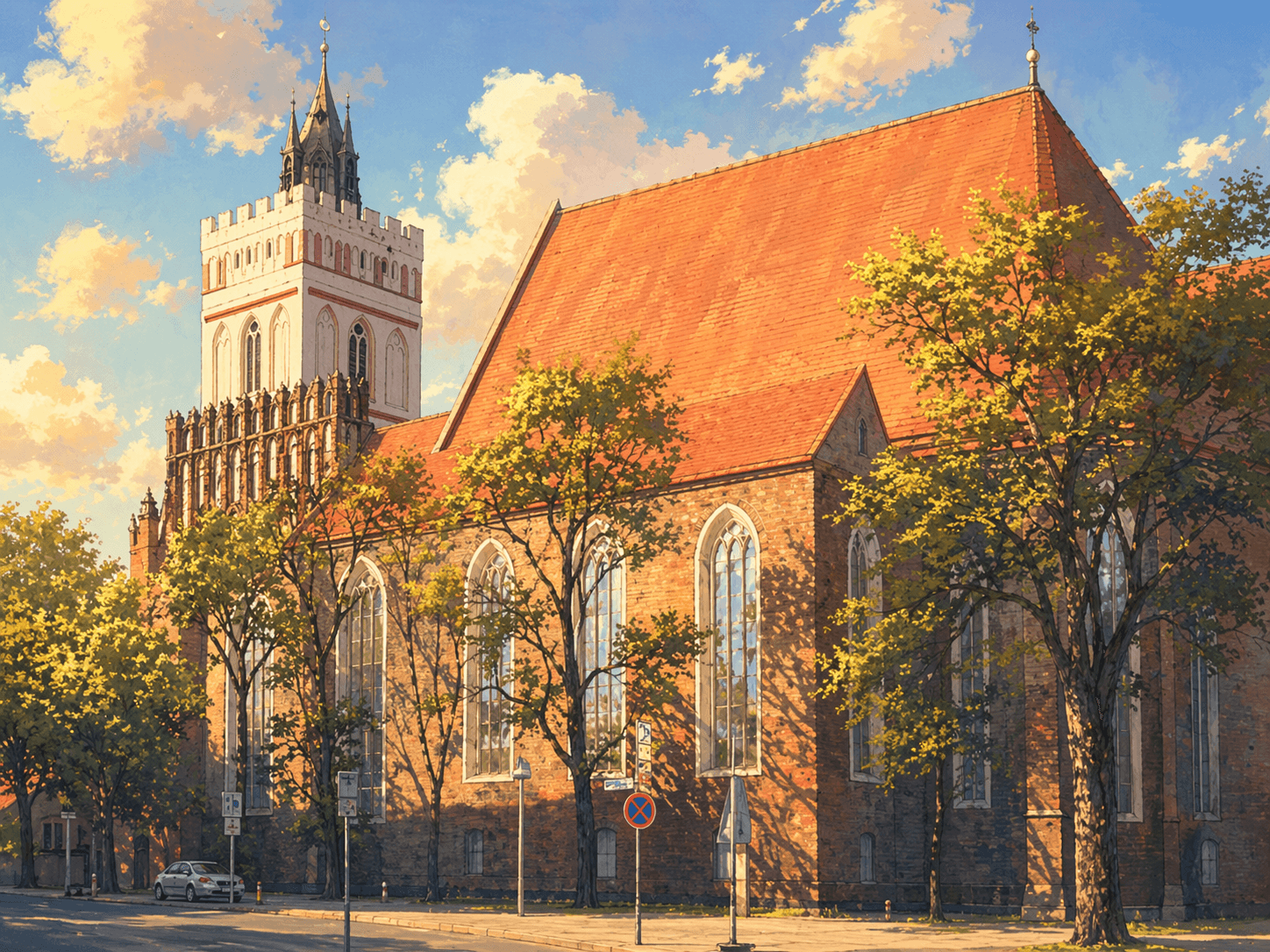
In March 2026, youth policy issues were in focus in Frankfurt (Oder) – from childcare in kindergartens through inclusive child and youth welfare to educational and integration projects. An overview of the most important developments, decisions, and background information.
Living and Childcare: Daycare Centers in Transition
The situation of daycare centers (Kindertagesstätten or Kitas) in Frankfurt (Oder) is in flux. The number of children in care has decreased compared to previous years – from 5,477 (2023) to 5,215 (2025). A particularly noticeable decline is evident in daycare centers (-12.7%) and kindergartens (-4.3%). In some districts such as Beresinchen, the occupancy rate has dropped from 83.9% to 76.3%.
The Youth Welfare Committee introduced a proposal on the handling of unused capacity. The goal is to utilize vacant spaces for other municipal purposes, such as senior care or district work. A workshop in the second quarter of 2026 will discuss possible scenarios. These steps demonstrate how the city is responding to demographic and spatial developments – with the aim of using resources more efficiently.
Inclusive Child and Youth Welfare: A New Model from 2028
Child and youth welfare in Frankfurt (Oder) is facing a fundamental restructuring. With the amendment of the SGB VIII through the Children and Youth Strengthening Act (KJSG), a model of "overall responsibility" will be implemented by 2028. This means: children with and without disabilities will be supported under one roof in the future. The goal is to achieve better, equal participation and a simplified administration.
The city is relying on the International Classification of Functioning (ICF-CY) for assessing needs. In addition, the role of procedural guides (Verfahrenslotsen), who support young people with disabilities and their families in administrative procedures, will be expanded. These guides work according to §§ 52 ff Brandenburg Youth and Children's Act (BbgKJG) and are key to overcoming barriers within the system.
Education and Poverty Prevention: Daycare Centers as Social Integration Hubs
Poverty prevention in Frankfurt (Oder) has received a new impetus: more than 850 children and young people were surveyed within the framework of the poverty prevention concept. The results will be included in the planning of measures aimed at social participation and educational opportunities.
A central project is the state program "Kiez-Kita – Opening Educational Opportunities," which supports up to 8 daycare centers with additional staffing resources. In addition, two new daycare centers – "Hans and Hanka" and "Coole Kiste" – will be established as of August 2026. These facilities are intended to be located primarily in socially disadvantaged districts and to improve access to education and childcare.
In addition, the "Family Guide" has been revised to help parents navigate the range of services. The printed version will be published before the summer holidays in 2026.
Youth Promotion and Democracy: Projects as Bridges
Frankfurt (Oder) is investing in youth projects to promote social participation and political education. Projects such as the "3rd Children's Conference," "Klangfarben der Vielfalt" (Sounds of Diversity), or the theater project "Theater as an Empathy Bridge" have been supported using funds from the "Partnership for Democracy" Youth Fund.
Another highlight is the "Oder-Kunst-Promenade" project, which combines cultural and social integration. In addition, the city supports qualification measures such as the training of student mediators – a step to involve young people more closely in school development.
Outlook: Structural Adjustments and Participation
Youth policy in Frankfurt (Oder) is undergoing a process of adaptation. The challenges range from demographic changes and legal innovations to new forms of participation. The city is relying on inclusive structures, flexible funding, and close networks with schools, day-care centers, and social organizations.
In 2026, it will be crucial whether the planned measures – such as the restructuring of youth welfare or the expansion of Kiez-Kitas – can be implemented sustainably. At the same time, it is important to involve young people more strongly in political and societal shaping.
NeoSearch analyses public council documents, committee minutes and municipal announcements. Source references appear automatically once verified meeting data is available.
What does this mean for businesses?
Schools, daycare centres and public buildings create early planning and construction opportunities. Following council agendas surfaces tenders for refurbishment, new builds and fit-out months before the official award — from shell construction to specialist planning to furnishing.
Track similar decisions in your region
Set up monitoring for education & public facilities in Brandenburg — prefilled from this article.
Set up monitoring →More signals from Frankfurt-Oder
Youth Policy in Frankfurt (Oder): Challenges, Developments, and Perspectives in April 2026
In April 2026, Frankfurt (Oder) focused on numerous youth policy issues – from childcare provision and child protection to educational and prevention programs. The Youth Welfare Committee extensively discussed developments, risks, and potential measures.
Read more → Governance and Administration in Frankfurt (Oder) – April 2026 in Focus
In April 2026, Frankfurt (Oder) saw numerous meetings of local advisory boards and administrative decisions in the areas of governance and administration. The city recorded both structural and communicative progress, while also facing challenges such as staff shortages and slow construction planning.
Read more → Frankfurt (Oder) in the Cultural Spotlight: Jubilee, Music, and Community in April 2026
In April 2026, Frankfurt (Oder) was entirely focused on cultural impulses and social connections. From jubilee preparations to the future of the Brandenburg State Orchestra and educational projects to cross-border cooperation – the month demonstrated how diverse the city shapes its cultural identity.
Read more →