Culture and Community in Frankfurt (Oder): March 2026 in Focus
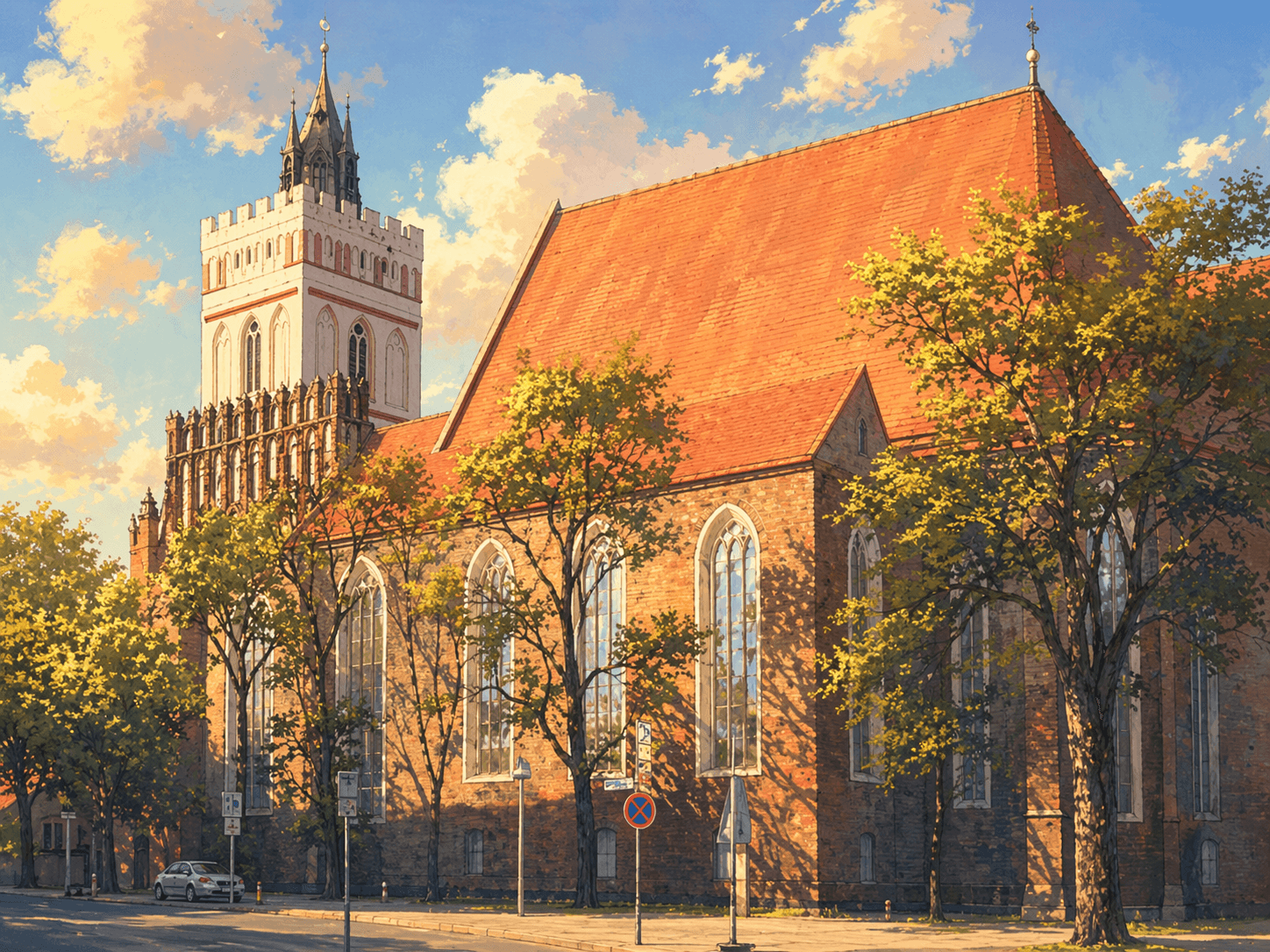
In March 2026, Frankfurt (Oder) set clear impulses in cultural and community policy. From the digitalization of citizen participation to investments in barrier-free infrastructure and sports facilities – the city is actively shaping its cultural future.
Culture, Digitalization, and Inclusion: Frankfurt (Oder) in March 2026
Frankfurt (Oder) has, in recent years, established itself as a crossroads between Germany and Poland as well as a culturally vibrant city. In March 2026, it became evident that the city is not only strengthening this role through its geographical position but also through targeted political measures. Three central topics were in focus: the digitalization of cultural and civic processes, the creation of barrier-free spaces, and the maintenance of social infrastructure – particularly in the area of sports.
Digitalization of Citizen Participation and Administration
In March 2026, the City Council decided on several measures to accelerate and simplify municipal processes through digital tools. A central element was the development of an online platform for digital citizen services. The goal is to centrally offer inquiries, documents, and services to increase transparency and efficiency in administration.
Another project introduced in March is the Smart-City Chatbot. This tool is intended to enable a bilingual, barrier-free citizen participation within the German-Polish context. The chatbot will not only optimize communication between residents and the administration but also save costs through automated translation and transcription. For a city that traditionally benefits greatly from its German-Polish relationship, this is a strategic step towards a modern, inclusive administration.
Barrier-free Design as a Central Theme for the Future
In March 2026, the Council for the Disabled vigorously advocated for the implementation of barrier-free infrastructure. It welcomed the investment of 32.6 million euros from the federal special fund, but demanded clear measures for the use of these funds. Its proposals range from the establishment of a "Model School for Barrier-free Design" to the creation of a multi-year program to eliminate barriers at schools and in municipal infrastructure.
A concrete project that emerged from these discussions is the expansion of the "Frankfurt App." In the future, this app will not only serve as an information platform but also allow residents to report and document barriers in the city. In addition, the city plans to improve guidance systems at intersections, make sidewalks level, and install elevators. These measures are not only a signal for inclusion but also a step towards a more livable city for all citizens.
Sports and Leisure Infrastructure: Challenges and Opportunities
The renovation of sports fields and leisure facilities was another topic discussed in March 2026. For instance, the City Council was urged to include sports facilities such as "Fritz-Lesch" or the Baumschulenweg in its planning. Although the sports fields are recognized as central elements of social infrastructure, no concrete renovation plans have been made so far. The city argues that renovations within the framework of the special fund "Infrastructure and Climate Neutrality" are not eligible for funding.
Despite these challenges, the cooperation with sports clubs such as "Red Cocks" continues. These close ties are a guarantee for a vibrant sports culture in the city. The City Council has also decided to regularly inspect the condition of sports facilities and consider new measures when necessary.
Outlook: A City in Transition
Frankfurt (Oder) has shown in March 2026 that it is actively involved in shaping the future. The digitalization of the administration, the creation of barrier-free spaces, and the maintenance of a vibrant sports and leisure culture are central pillars of this policy. At the same time, the city remains sensitive to the challenges arising from infrastructure, funding, and citizen participation.
In the coming months, it is expected that the planned measures will move into concrete implementation. The inclusion of citizens, particularly through digital channels, will play a decisive role. Frankfurt (Oder) proves that culture and community can not only be tradition, but also the future.
NeoSearch analyses public council documents, committee minutes and municipal announcements. Source references appear automatically once verified meeting data is available.
What does this mean for businesses?
Municipal council decisions are early indicators: following the council agenda surfaces projects and tenders months before the official award — before they ever reach the procurement portals.
Track similar decisions in your region
Set up monitoring for Culture and Community in Brandenburg — prefilled from this article.
Set up monitoring →More signals from Frankfurt-Oder
Youth Policy in Frankfurt (Oder): Challenges, Developments, and Perspectives in April 2026
In April 2026, Frankfurt (Oder) focused on numerous youth policy issues – from childcare provision and child protection to educational and prevention programs. The Youth Welfare Committee extensively discussed developments, risks, and potential measures.
Read more → Governance and Administration in Frankfurt (Oder) – April 2026 in Focus
In April 2026, Frankfurt (Oder) saw numerous meetings of local advisory boards and administrative decisions in the areas of governance and administration. The city recorded both structural and communicative progress, while also facing challenges such as staff shortages and slow construction planning.
Read more → Frankfurt (Oder) in the Cultural Spotlight: Jubilee, Music, and Community in April 2026
In April 2026, Frankfurt (Oder) was entirely focused on cultural impulses and social connections. From jubilee preparations to the future of the Brandenburg State Orchestra and educational projects to cross-border cooperation – the month demonstrated how diverse the city shapes its cultural identity.
Read more →