Nuremberg January 2026: Mobility, Digitalization, and Urban Development in Focus
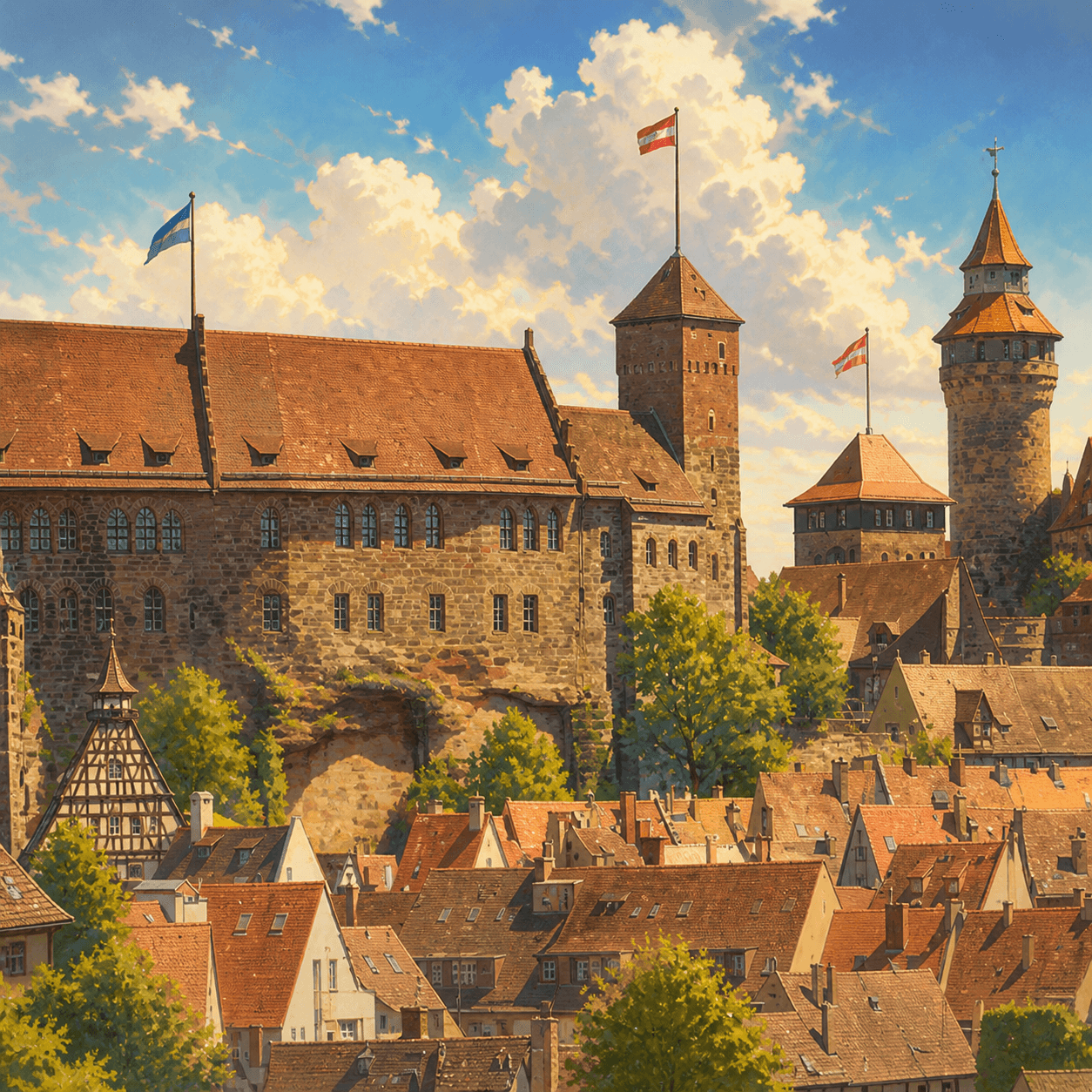
In January 2026, Nuremberg focused on topics such as traffic optimization, digital transformation, and urban renewal. Here is the monthly review of the most important developments.
Rethinking Mobility – From 30 km/h Zones to Tram Extensions
Traffic Committee Focuses on 30 km/h Zones and Cyclist-Friendly Measures
In January, the Traffic Committee discussed important proposals to improve road safety and promote sustainable mobility. Particularly notable are the plans to convert Schloßstraße into a bicycle street and to designate Appoldstraße as a 30 km/h zone. Both measures aim to provide greater safety for pedestrians and cyclists while also reducing motorized traffic.
Pedestrian safety on the way to school was also a focus. In several districts, including Reutleser Straße, Pirckheimerstraße, and Spittlertorgraben, proposals were discussed to introduce 30 km/h zones to protect children. The results of the 2025 traffic count also showed that overall traffic volume has decreased by 10–20% – a sign of changing mobility patterns post-pandemic.
Tram Extension to Brunecker Straße: Preliminary Measures Approved
The City Council began deliberating on the tram extension to Brunecker Straße. The preliminary measures for site clearance and land preparation amount to 4.96 million euros gross. This step is a crucial milestone in the expansion of public transport and will significantly improve mobility in the northern part of the city.
Digitalization of the City Administration: A Cultural Shift in Focus
Personnel and Organization Committee Discusses Digital Future
The Personnel and Organization Committee intensively addressed the digitalization of the city administration. While technical infrastructure was a topic of discussion, the focus was primarily on the cultural shift within the administration. The goal is to make processes more transparent and citizen-oriented. For this purpose, the city has already established the Directorate of Citizen Services, Digital Affairs, and Law since 2020.
Digitalization is seen as an opportunity to enable participation for all groups of people. The city is pursuing a user-centered approach, taking into account the needs and barriers of citizens. Although exact costs are not yet fully known, the city is steadily advancing the digital transformation step by step.
Urban Renewal and Daycare Reform: Sustainable Development in Practice
City Planning Committee Discusses Redevelopment Areas and Solar Parks
In the City Planning Committee, several redevelopment areas were dissolved, including in Südstadt – Galgenhof/Steinbühl, Gleißhammer/St. Peter, and Langwasser. This marks the completion of long planning phases and opens the door for new developments in these districts.
In addition, changes to land use plans and building regulations were discussed, including for the Katzwang Solar Park and the „Tiefes Feld Süd“ area. These projects are part of the energy transition and contribute to making Nuremberg more sustainable and climate-friendly.
Daycare Ordinance: Reform in Progress
Another important topic was the revision of the ordinance for childcare facilities. Two motions – one from Alliance 90/The Greens and one from the CSU – were submitted and will be discussed in the coming weeks. The reform aims to improve the quality and accessibility of childcare and to meet the demands of a changing society.
Energy Saving and Climate Protection: The 2025 Energy Report
The 2025 Energy Report of the City of Nuremberg is another central document that was discussed in January. It provides an overview of energy and water consumption as well as CO₂ emissions in municipal properties and enterprises. The report highlights where savings potential exists and where progress has already been made.
What Was Important This Month
- Traffic safety in several districts was improved with 30 km/h zones and bicycle streets.
- The tram extension to Brunecker Straße is moving forward – with preliminary measures in the seven-figure euro range.
- Digitalization of the city administration is advancing – with a focus on cultural change and user-friendliness.
- Redevelopment areas in several districts were dissolved – a milestone for urban renewal.
- The daycare reform is in full swing – with new motions from both major city council factions.
Overview and Outlook
January 2026 in Nuremberg was characterized by a clear orientation toward sustainable mobility, digital transformation, and innovative urban planning. The discussions in the Traffic Committee and City Council show that the city is actively responding to changing mobility needs – with 30 km/h zones, bicycle streets, and tram extensions. At the same time, digitalization is seen as an opportunity to make the administration more transparent and citizen-oriented.
In the area of urban development, Nuremberg is taking clear action: redevelopment areas are being dissolved, solar parks are being created, and the daycare ordinance is being reformed. These developments show that the city is capable of acting both in the present and in the future.
Conclusion and Outlook
January 2026 was a month of clear decisions and planning for the future of Nuremberg. The city is moving toward sustainable mobility, digital modernization, and social inclusion. Particularly noteworthy is the fact that many proposals are already moving into concrete implementation – whether in the case of the tram extension or the digitalization of the administration.
In the coming months, it will be interesting to observe how the approved projects develop in practice. With the daycare reform, digitalization, and energy-saving measures, Nuremberg is sending a clear signal for a future-oriented urban development.
NeoSearch analyses public council documents, committee minutes and municipal announcements. Source references appear automatically once verified meeting data is available.
What does this mean for businesses?
Urban development, zoning plans and commercial settlements create early construction and supply opportunities. Following council decisions reveals projects before they go to tender.
Track similar decisions in your region
Set up monitoring for economic development in Bayern — prefilled from this article.
Set up monitoring →More signals from Nuernberg
Youth Policy in Nuremberg: Outlook, Sustainability, and Digital Opportunities in April 2026
In April 2026, Nuremberg focused on key decisions and initiatives in youth policy. The Youth Welfare Committee reflected on the past council period, presented plans for the future, and promoted sustainability and digital opportunities in youth organizations.
Read more → Social Policy in Nuremberg: Focus on Violence Prevention and Senior Policy in April 2026
In April 2026, Nuremberg made significant progress in implementing the Istanbul Convention, gender equality work, and senior policy. The Social Committee discussed comprehensive measures to combat domestic violence and to enhance the quality of life for older people.
Read more → Governance and Administration in Nuremberg – April 2026 in Focus
In April 2026, Nuremberg focused on a range of decisions in the areas of governance and administration. From citizen initiatives to personnel and financial measures, to urban structural projects – the city is setting impulses for transparency, efficiency, and future viability.
Read more →