Education Policy in Nuremberg: Focus on Inclusion, International Projects, and Swimming Lessons
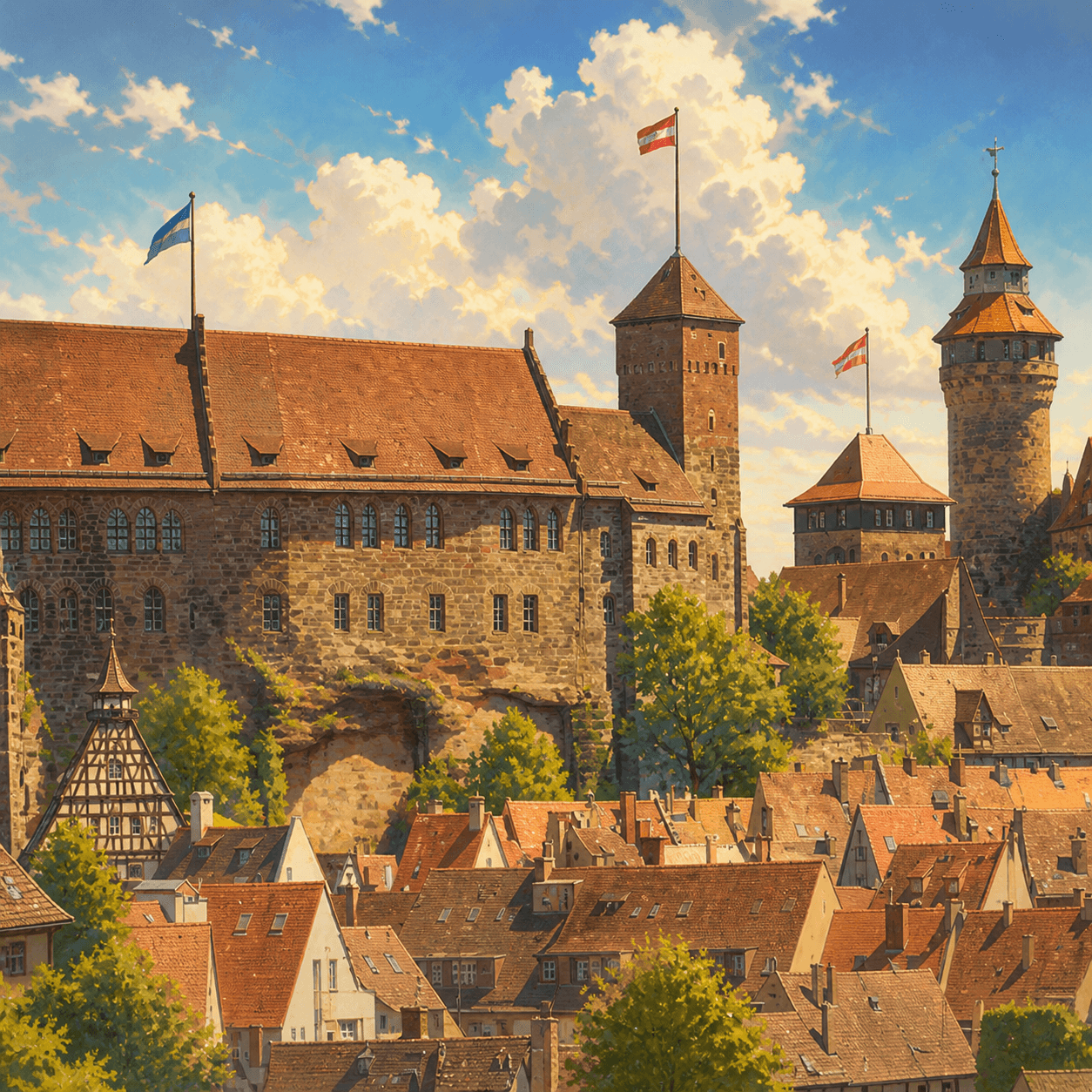
In February 2026, various educational policy topics were at the center of attention in Nuremberg – from international school development projects and inclusion initiatives to concepts for strengthening swimming skills. The School Committee discussed these topics intensively. This blog highlights the most important developments.
Education Policy in Nuremberg: How International Cooperation, Inclusion, and Swimming Lessons Shape the Future
The city of Nuremberg's education policy has come into the spotlight more than ever in recent years. In February 2026, the School Committee addressed a range of issues that affect not only the local educational landscape, but also international partnerships and social inclusion. From humanitarian projects in Senegal to inclusion concepts and swimming lessons – the discussions demonstrated how multifaceted and forward-looking the education policy is in this Bavarian metropolis.
International Cooperation: Education as a Bridge
A central topic was the project "Shining for tomorrow" by Nuremberg's Vocational School B1, implemented in Senegal. In collaboration with French schools and the Energy Assistance France (EAF), four trainees and a teacher installed solar pumps at two primary schools in the region of Kaffrine. The goal was to improve the energy and water supply at these schools.
Beyond the technical implementation, another focus was on developing the intercultural and practical skills of the participating young people. The project was financially supported by the Bavarian State Chancellery, the Foundation for Youth Exchange, and the Rotary Club Nuremberg-Reichswald.
The Nuremberg student group has already been nominated for the volunteer reception of the Bavarian Ministry of Education and Culture – a clear signal of the importance of such projects in the educational context.
Inclusion: More than Just a Buzzword
Another key focus was inclusion in the school and sports sectors. The administration's report showed that Nuremberg pursued a comprehensive inclusion approach in 2025. Emphasis was placed not only on school structures, but also on cooperation with institutions such as the Office for General Education Schools, IPSN (Inclusive Pedagogical Service), HVE (Special Needs Preschool), and the SportService.
In Nuremberg, inclusion is not only understood as supporting children with disabilities, but as a process of raising awareness of diversity, digital participation, and barrier-free conditions. Particularly noteworthy is the multiprofessional cooperation that enables specific individual needs to be addressed.
Swimming Lessons: A Pilot Project with a Future
Another project discussed was the pilot project "Sport Vernetzt – Schwimmen" ("Sport Connects – Swimming"). The goal was to counter the high proportion of non-swimmers in the city. Through an optimized organization and the use of multiprofessional teams, it was possible to significantly increase the time spent in water per class. The results showed a significant reduction in the non-swimmer rate and progress among children with high support needs.
Findings from this project are now being incorporated into a city-wide school swimming concept. Particularly impressive is that the improvements were achieved with minimal financial costs and through good networking. This shows how important structural solutions are in education policy.
Outlook: Education as a Central Building Block of Urban Development
The developments in February 2026 show that Nuremberg is deliberately aligning its education policy towards inclusion, internationalization, and practical skill development. At the same time, challenges such as the search for new school locations or the provision of hygiene materials remain part of the political debate.
In the future, it will be crucial not only to evaluate these projects theoretically, but also to integrate them sustainably into the city's structures. Education is more than just teaching – it is the key to a more inclusive, connected, and resilient society in Nuremberg.
NeoSearch analyses public council documents, committee minutes and municipal announcements. Source references appear automatically once verified meeting data is available.
What does this mean for businesses?
Schools, daycare centres and public buildings create early planning and construction opportunities. Following council agendas surfaces tenders for refurbishment, new builds and fit-out months before the official award — from shell construction to specialist planning to furnishing.
Track similar decisions in your region
Set up monitoring for education & public facilities in Bayern — prefilled from this article.
Set up monitoring →More signals from Nuernberg
Youth Policy in Nuremberg: Outlook, Sustainability, and Digital Opportunities in April 2026
In April 2026, Nuremberg focused on key decisions and initiatives in youth policy. The Youth Welfare Committee reflected on the past council period, presented plans for the future, and promoted sustainability and digital opportunities in youth organizations.
Read more → Social Policy in Nuremberg: Focus on Violence Prevention and Senior Policy in April 2026
In April 2026, Nuremberg made significant progress in implementing the Istanbul Convention, gender equality work, and senior policy. The Social Committee discussed comprehensive measures to combat domestic violence and to enhance the quality of life for older people.
Read more → Governance and Administration in Nuremberg – April 2026 in Focus
In April 2026, Nuremberg focused on a range of decisions in the areas of governance and administration. From citizen initiatives to personnel and financial measures, to urban structural projects – the city is setting impulses for transparency, efficiency, and future viability.
Read more →