Weimar: Economic Impulses and Budget 2026 – An Overview
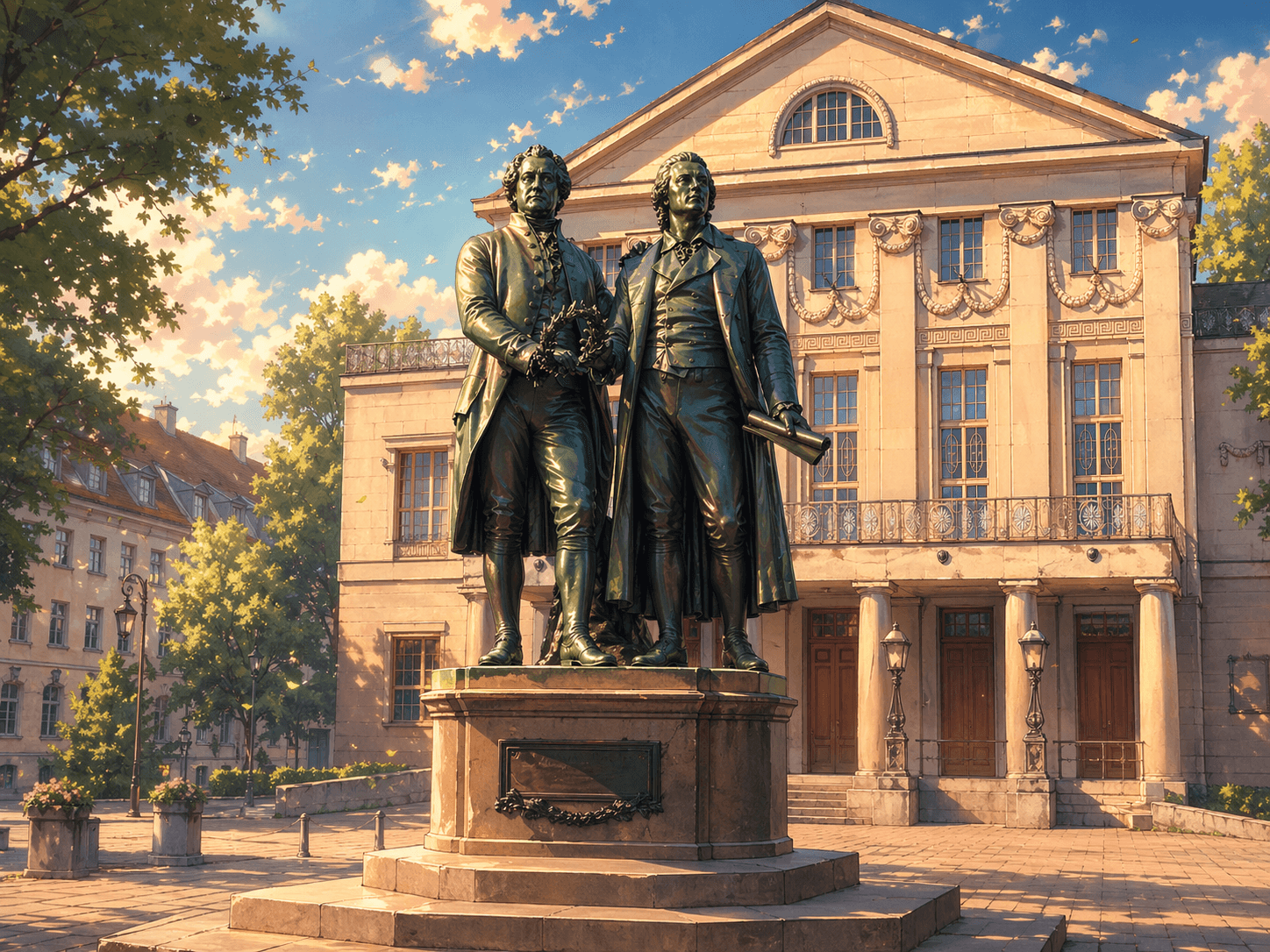
In March 2026, Weimar focused on crucial economic and financial topics. The Economic and Tourism Committee and the City Council approved important measures in the budget and discussed the development of the business and tourism sectors. The city is investing in infrastructure, supporting entrepreneurs, and promoting tourism.
Weimar invests and promotes: Economic impulses in March 2026
In the past weeks, the city of Weimar has been intensively dealing with its economic future. The Economic and Tourism Committee and the City Council addressed the 2026 budget, the utilization of commercial and industrial areas, and the development of the tourism industry. The decisions show that Weimar is focusing on investments, sustainability, and innovation to remain economically competitive.
Budget 2026: Investments and Consolidation
The 2026 budget of Weimar provides for investments amounting to 45 million euros. These funds will be used, among other things, for road construction, the renovation of public buildings, the modernization of the Weimarhalle, and other infrastructure measures. Particularly noteworthy is the fact that the city does not plan to take on new debt and instead focuses on consolidating its existing obligations.
In the course of the budget discussions, plan corrections were made, for example, due to lost sponsorship funds or higher tender results. In addition, funding from the KfVV program (Climate Protection in Administration and Transport) and other federal programs contributes to financial stability.
Economic Development: Utilization of Commercial and Industrial Areas
A central topic was the utilization of commercial, industrial, and service areas in Weimar. The City Council decided that the municipal administration will report annually on the marketing and utilization of these areas. The goal is to take early action to make land available in a targeted manner and create jobs.
In the debate, the need for start-up spaces was also emphasized. The city plans measures to support entrepreneurs, which is particularly significant in the current economic situation. The weimar GmbH, a subsidiary of the city, plays a central role here—for example, with the planned new concept for the Seebühne, which will be tested in 2026 and will include up to 4,000 standing places and a promenade area.
Tourism Industry: Successes and Challenges
Weimar remains an important tourist destination in Thuringia in 2026. The tourism industry achieved impressive results in 2024 with 1.3 million overnight stays, 3.9 million day visitors, and a turnover of 297.7 million euros. Particularly the Buchenwald memorial site, the Goethe House, and the Bauhaus Museum are among the top attractions.
Despite the positive figures, there is room for improvement in the accommodation sector, especially in terms of high-quality accommodations and camping. The city therefore plans to further develop the motorhome parking area and split the accommodation statistics to create better planning possibilities.
Another project that was in the focus was the expansion planning of the Industrial and Outlying Areas (IAB). This area will be increasingly used for economic activities in the future to create jobs and diversify the economic structure.
Outlook: Economic Stability and Innovation
In March 2026, Weimar has set a clear course for its economic development. The combination of investments in infrastructure, the focus on supporting entrepreneurs, and the strengthening of tourism is a solid foundation for the future. With a stable financial situation, a positive development in business tax revenues, and an engaged economic policy, the city of Weimar shows that it is ready to face the challenges of the future.
NeoSearch analyses public council documents, committee minutes and municipal announcements. Source references appear automatically once verified meeting data is available.
What does this mean for businesses?
Urban development, zoning plans and commercial settlements create early construction and supply opportunities. Following council decisions reveals projects before they go to tender.
Track similar decisions in your region
Set up monitoring for economic development in Thüringen — prefilled from this article.
Set up monitoring →More signals from Weimar
Culture and Community in Weimar: April 2026 in the Spotlight
April 2026 in Weimar was marked by crucial steps in the city's cultural development. From the Weimar Onion Market to the commemoration of Margarethe Geibel, cultural values, preservation, and remembrance were at the heart of the Cultural Committee's discussions.
Read more → Weimar in Transition: Economic Development and Structural Development in April 2026
In April 2026, Weimar is focusing on innovation, cooperation, and structural adaptation in its economic development – with a focus on tourism, commerce, and urban marketing.
Read more → Weimar in April 2026: Culture, Economy, and Youth in Focus
In April 2026, Weimar focused on decisions in the areas of economy, culture, and youth support. The city created momentum in tourism, approved important cultural projects, and strengthened youth policy. Here is the monthly review.
Read more →