Weimar in Transition: Economic Development and Structural Development in April 2026
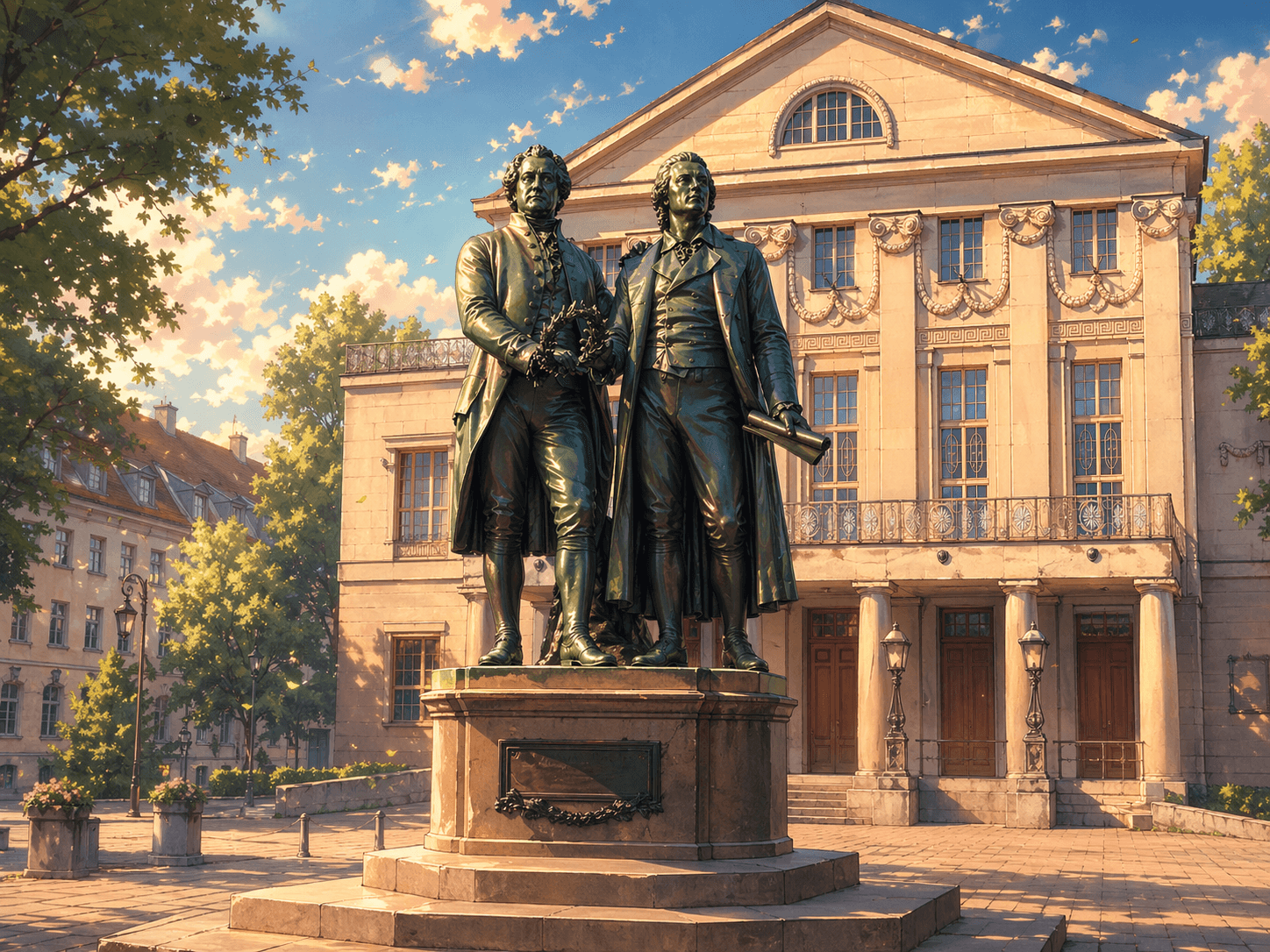
In April 2026, Weimar is focusing on innovation, cooperation, and structural adaptation in its economic development – with a focus on tourism, commerce, and urban marketing.
Weimar and the Challenges of Economic Policy
The city of Weimar is in a challenging phase of economic development. With increasing digitalization, changes in retail, and competition from larger cities like Erfurt, new approaches must be found to ensure the city's economic stability and attractiveness. In April 2026, Weimar is relying on a combination of tourism initiatives, investments in industrial infrastructure, and a close collaboration between public and private actors.
The Role of weimar GmbH in Economic Development
weimar GmbH is a central actor in the city's economic development. As a 100% subsidiary of the city, it is responsible for urban marketing, tourism promotion, and the operation of Weimarhalle. In April 2026, weimar GmbH will continue to be entrusted with public service obligations until 2036, with the mandate agreement revised and made compliant with European law.
weimar GmbH receives state compensation, which is subject to strict guidelines. These include a separation accounting between competitive and public service activities, as well as a cap on subsidies of 20 million euros per year. The city regularly reviews whether the compensation payments meet legal requirements to avoid overcompensation.
weimar GmbH is only allowed to offer services in the competitive sector on a cost-covering basis, while simultaneously acting as an undertaking of general economic interest (DAWI) for event spaces, tourism, and urban marketing. This dual approach ensures financial stability while promoting the city's economy.
Industrial Development and Land Availability
Another focus of economic development is the industrial and commercial infrastructure. In April 2026, the city of Weimar plans to publish an annual report on the occupancy of commercial, industrial, and service areas as well as on the creation of jobs. At the same time, the shortage of land is emphasized, underscoring the need for new industrial areas.
A concrete project is the expansion of the Industrial and Business Center (IAB) in Tröbsdorf, scheduled to begin with a groundbreaking ceremony in April 2026. This is a key step in securing jobs and strengthening the region's economic competitiveness. Discussions about potential expansion on the Galgenberg show that Weimar is thinking long-term about expanding its industrial infrastructure.
In addition, the city supports start-up companies through a program subsidizing the net cold rent, which is considered a strategic approach to creating an innovative economic landscape. However, land availability in urban centers remains a problem, particularly in the city center, where vacancies and changes in retail are noticeable.
Event Economy and Tourism Initiatives
The event economy plays a central role in Weimar's economic policy. The Weimarhalle, operated by weimar GmbH, serves as a platform for cultural, social, and economic events. In April 2026, the planned performance of "Everyman" on the marketplace is another example of the use of public spaces to enhance the city's appeal. This event will be carried out without affecting outdoor dining, which is interpreted as a sensitive approach to the interests of the local economy.
In addition, the city plans a new motorhome parking area that will be created in combination with the closure of the Herrmann-Brill-Platz. This project will be realized without investment or operating costs for the city, showing that Weimar is also relying on cooperative models for tourism infrastructure.
Outlook: Weimar and the Future of Economic Policy
Weimar is in a phase of adaptation and innovation. The city is relying on a wide range of measures to ensure its economic stability – from supporting start-up companies and expanding the industrial infrastructure to tourism initiatives that position the city as a vibrant event location.
The role of weimar GmbH as a central actor in the tourism and urban marketing strategy is particularly noteworthy. At the same time, the city remains responsible for shaping economic development in a transparent and sustainable way – not least by complying with EU regulations and monitoring compensation payments.
NeoSearch analyses public council documents, committee minutes and municipal announcements. Source references appear automatically once verified meeting data is available.
What does this mean for businesses?
Urban development, zoning plans and commercial settlements create early construction and supply opportunities. Following council decisions reveals projects before they go to tender.
Track similar decisions in your region
Set up monitoring for economic development in Thüringen — prefilled from this article.
Set up monitoring →More signals from Weimar
Culture and Community in Weimar: April 2026 in the Spotlight
April 2026 in Weimar was marked by crucial steps in the city's cultural development. From the Weimar Onion Market to the commemoration of Margarethe Geibel, cultural values, preservation, and remembrance were at the heart of the Cultural Committee's discussions.
Read more → Weimar in April 2026: Culture, Economy, and Youth in Focus
In April 2026, Weimar focused on decisions in the areas of economy, culture, and youth support. The city created momentum in tourism, approved important cultural projects, and strengthened youth policy. Here is the monthly review.
Read more → Youth Policy in Weimar: Outlook and Developments in April 2026
In April 2026, important decisions and discussions on youth policy were at the center of attention in Weimar. The Youth Welfare Committee dealt with budgetary issues, the Youth Support Plan and the future of the youth centers were specified. The blog provides an overview of the latest developments.
Read more →