Culture and Community in Weimar: April 2026 in the Spotlight
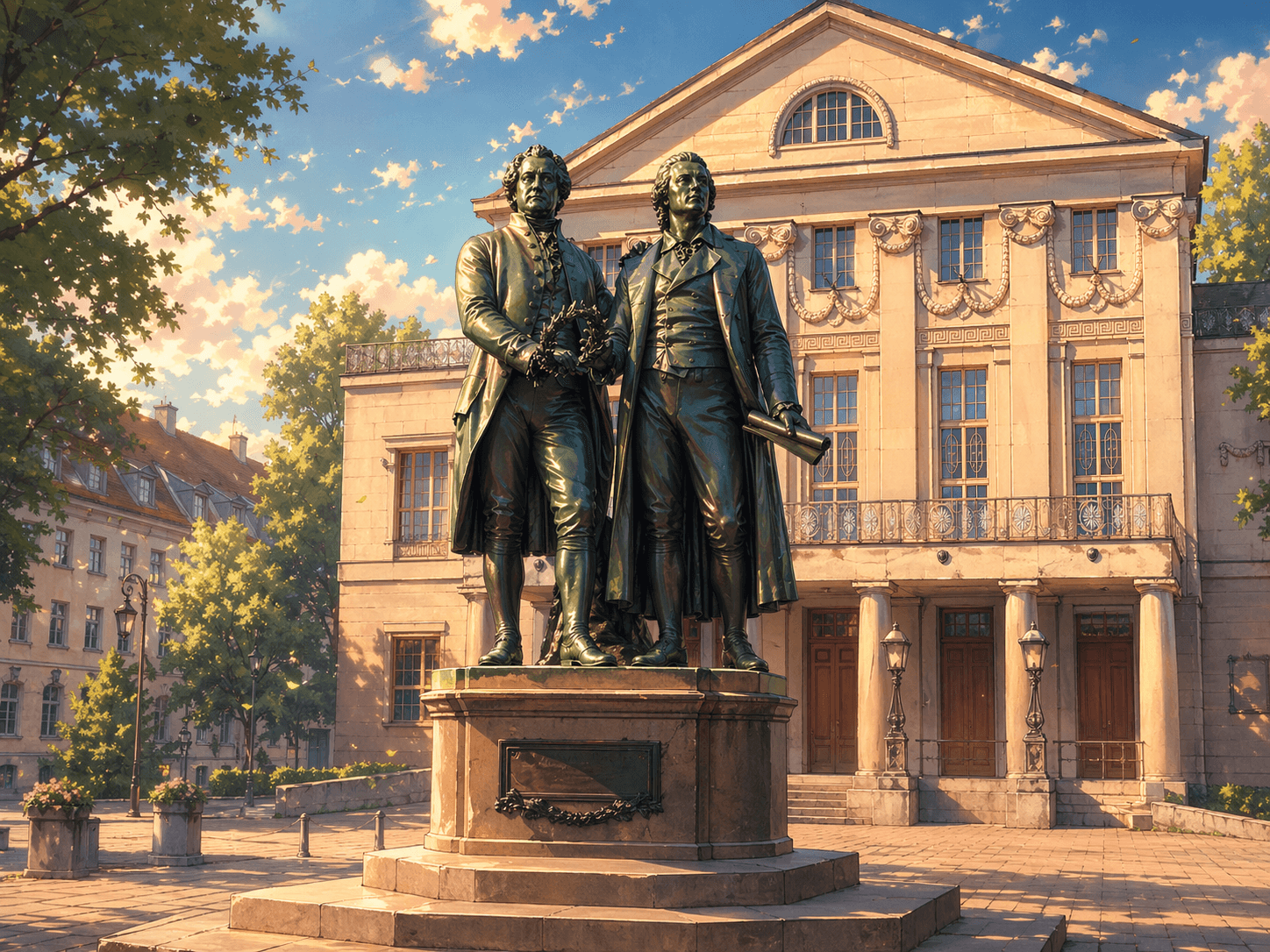
April 2026 in Weimar was marked by crucial steps in the city's cultural development. From the Weimar Onion Market to the commemoration of Margarethe Geibel, cultural values, preservation, and remembrance were at the heart of the Cultural Committee's discussions.
Culture as a Mirror of Identity: Weimar in April 2026
Weimar is more than a UNESCO World Heritage Site – the city is a living forum for cultural memory, artistic innovation, and social debate. April 2026 brought numerous decisions and discussions in cultural policy in Weimar, addressing both the historical and contemporary role of the city. The focus was on the preservation of intangible cultural assets, the support of cultural projects, and the sensitive balance between artistic freedom and political context.
Cultural Heritage and Identity: The Weimar Onion Market
One of the central topics of the Cultural Committee in April 2026 was the discussion about the Weimar Onion Market. The administration submitted a request for the traditional market to be included in the Thuringian Inventory of Intangible Cultural Heritage. This step is not only a recognition of the market's historical significance, but also a commitment to preserving regional traditions in the face of globalization.
The debate in the committee emphasized that such initiatives are not only culturally, but also economically significant. The Onion Market attracts thousands of visitors every year – a factor that positively impacts the cityscape and local economy. At the same time, it conveys a symbolic value: the memory of Weimar's rural roots and the city's development into a modern cultural metropolis.
Artistic Remembrance: Memorial Plaque for Margarethe Geibel
Another milestone was the approval for the installation of a memorial plaque for the artist Margarethe Geibel at her former residence at Falkenburg 3. Geibel, an important figure in Weimar's artistic landscape, was known for her woodcut prints of the city's classical sites. The plaque is not only a tribute to her work, but also a symbol of the appreciation for female artists in Weimar's cultural memory.
The initiative comes from Dorothea Schmeißner-Lösch, Geibel's great-niece, and is made possible through cost coverage and the support of the property owner. The discussion about the location of the memorial plaque – Falkenburg 3 or alternatives such as Frauenplan 1 or Bauhausstraße 8 – shows how sensitive the engagement with cultural memory is in Weimar. The ultimately made decision underlines the historical and artistic significance of the house.
Artistic Freedom in a Tension Field: The Russian State Ballet
A controversial debate arose about the planned performance of the Russian State Ballet in the Weimarhalle. A proposal by the Greens to boycott the performance was discussed in the Cultural Committee and ultimately rejected. The administration emphasized that the Weimarhalle acts according to objective and legal criteria and that the rental cannot be interpreted as approval of political actions.
The decision to rent out the venue was based on artistic freedom and the principle of equal treatment. At the same time, it was emphasized that the city of Weimar is not politically responsible for the actions of the Russian state. The debate shows how sensitive the balance between artistic freedom and political stance can be in cultural policy – especially in a city like Weimar, which has an international reputation as a forum for free art and thought.
Preparations for the Future: Project Funding and Cultural Policy
In addition to these prominent topics, project funding for independent entities, associations, and cultural institutions was also in focus. The Cultural Committee discussed the allocation of funding, which is crucial for stabilizing cultural structures in the city. Particularly smaller and independent projects benefit from such funding, which often makes the difference between success and failure.
Furthermore, it was indicated that the Weimar Prize Regulation will be revised to take into account current developments and societal values. This is another step in the continuous adaptation of Weimar's cultural policy to the challenges and opportunities of the present.
Outlook: Culture as a Bridge to the Future
April 2026 shows how closely Weimar's cultural policy is connected to its social identity. The decisions of the Cultural Committee not only reflect the appreciation of historical traditions, but also the willingness to respond critically and sensitively to social developments. The discussions about the Onion Market, the memorial plaque for Margarethe Geibel, and the Russian State Ballet show how Weimar deals with its cultural past and at the same time looks toward a future in which culture remains a bridge between tradition and modernity.
NeoSearch analyses public council documents, committee minutes and municipal announcements. Source references appear automatically once verified meeting data is available.
What does this mean for businesses?
Municipal council decisions are early indicators: following the council agenda surfaces projects and tenders months before the official award — before they ever reach the procurement portals.
Track similar decisions in your region
Set up monitoring for Culture and Community in Thüringen — prefilled from this article.
Set up monitoring →More signals from Weimar
Weimar in Transition: Economic Development and Structural Development in April 2026
In April 2026, Weimar is focusing on innovation, cooperation, and structural adaptation in its economic development – with a focus on tourism, commerce, and urban marketing.
Read more → Weimar in April 2026: Culture, Economy, and Youth in Focus
In April 2026, Weimar focused on decisions in the areas of economy, culture, and youth support. The city created momentum in tourism, approved important cultural projects, and strengthened youth policy. Here is the monthly review.
Read more → Youth Policy in Weimar: Outlook and Developments in April 2026
In April 2026, important decisions and discussions on youth policy were at the center of attention in Weimar. The Youth Welfare Committee dealt with budgetary issues, the Youth Support Plan and the future of the youth centers were specified. The blog provides an overview of the latest developments.
Read more →