Weimar in Focus – Monthly Review February 2026
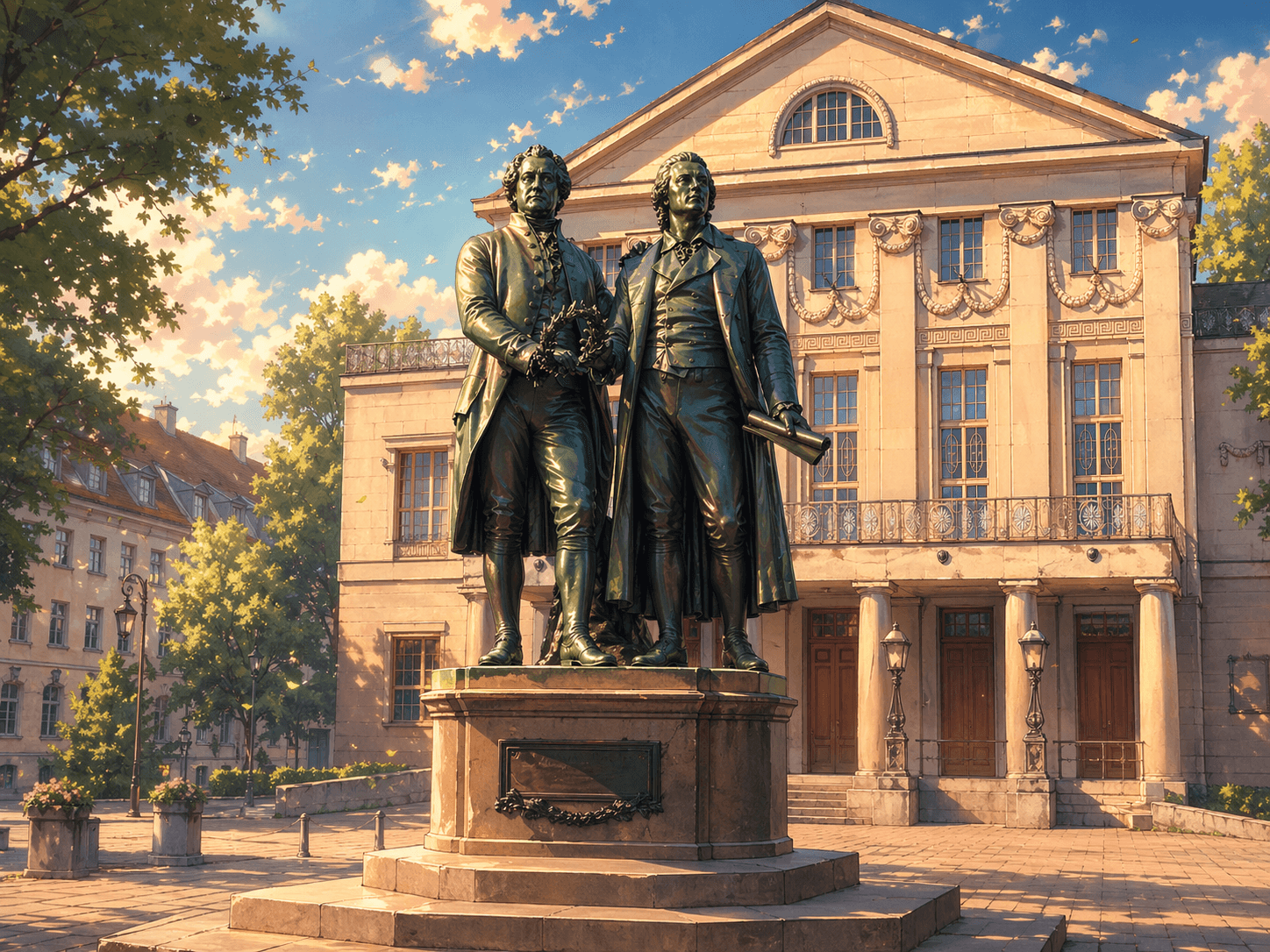
In this monthly review, we highlight the most important decisions and developments in Weimar in February 2026 – from the renovation of the Humboldthalle to climate adaptation and cycling. Find out what is directly relevant for residents.
Sport, Mobility, and Climate: The Most Important Developments in Weimar
What Was Important This Month
- Renovation of the Humboldthalle: The City Council unanimously approved participation in the federal program for the renovation of municipal sports facilities. The Humboldthalle will be renovated, remain city property, and be leased to the university sports association.
- Extension of the City Bus Contract: The public service obligation for city bus operations was extended by five years in order to ensure long-term planning security.
- Climate Protection Advanced: The Climate Advisory Board reviewed the final draft of the municipal heat plan and is preparing public discussion forums.
- Cemetery Fees Updated: The cemetery fee regulation was re-examined and remains valid in its current form.
- Cycling Becomes Concrete: The Cycling Advisory Board approved a budget of 50,000 euros for measures in the cycling concept.
Sport and Culture: Humboldthalle Gets Ready for the Future
The Weimar City Council has approved, with broad support, the renovation of the Humboldthalle as part of the federal program "Renovation of Municipal Sports Facilities." This measure is a milestone for sports development in the region. After the renovation, the hall will be leased to the University Sports Association (HSV), which will operate it with support from state funds. The city will cover a share of 370,000 euros, while the federal and state governments each bear 45% of the costs. This step not only secures the use of the hall for university sports but also for events and cultural offerings in Weimar-West.
Mobility: City Bus Contract Extended
The public service obligation (öDA) for city bus operations has been extended by five years – from an original ten years to a total of 15 years. The extension was awarded directly to Stadtwirtschaft Weimar GmbH, saving resources and creating planning security. The öDA includes eight lines with fixed routes and is a central component of the local transport plan for 2026–2030. The decision was made for economic and legal reasons, as investments in public transport are long-term in nature.
Climate: Weimar Adapts – With Public Participation
The Advisory Board for Climate Protection and Climate Change Adaptation focused intensively on the municipal heat plan and the urban climate analysis in February. During the 4th meeting, the final draft of the heat plan was presented, and preparations were made for a public presentation on February 12. In addition, a kick-off event for the climate adaptation concept has been planned for March. These steps are part of Weimar's forward-looking climate protection concept, which emphasizes both sustainability and public participation.
Cemeteries and Social Affairs: Fees and Action Plan Against Loneliness
The cemetery fee regulation remains valid in its current form. The focus was on fees for urn selection graves and additional services. In addition, the City Council decided to develop a municipal action plan against loneliness. This plan will address both older and younger residents and use funding from the state program "Solidary Coexistence." Furthermore, the Mayor was asked to work with the Disability Advisory Board to influence Stadtwirtschaft Weimar to make access to the Schwansee-Bad easier for people with disabilities.
Cycling: Weimar Gains Momentum
The Cycling Advisory Board approved concrete measures for cycling in February. A budget of 50,000 euros will be used to implement safety improvements in the school route network and other measures from the cycling concept. In addition, projects such as the connecting route between Weimar-West and Weimar-North and the surface restoration of Grabenstraße were prepared. The city is thus promoting sustainable mobility that ensures both safety and comfort for cyclists.
Weimar Looks to the Future – With Planning and Public Participation
The developments in February show that Weimar is actively preparing for the future. Whether in the areas of sport, mobility, or climate protection – the city is relying on long-term planning, public participation, and sustainable solutions. The next steps will show how these plans are implemented in practice – and how far Weimar progresses as a model city for climate adaptation and social integration.
NeoSearch analyses public council documents, committee minutes and municipal announcements. Source references appear automatically once verified meeting data is available.
What does this mean for businesses?
Urban development, zoning plans and commercial settlements create early construction and supply opportunities. Following council decisions reveals projects before they go to tender.
Track similar decisions in your region
Set up monitoring for economic development in Thüringen — prefilled from this article.
Set up monitoring →More signals from Weimar
Culture and Community in Weimar: April 2026 in the Spotlight
April 2026 in Weimar was marked by crucial steps in the city's cultural development. From the Weimar Onion Market to the commemoration of Margarethe Geibel, cultural values, preservation, and remembrance were at the heart of the Cultural Committee's discussions.
Read more → Weimar in Transition: Economic Development and Structural Development in April 2026
In April 2026, Weimar is focusing on innovation, cooperation, and structural adaptation in its economic development – with a focus on tourism, commerce, and urban marketing.
Read more → Weimar in April 2026: Culture, Economy, and Youth in Focus
In April 2026, Weimar focused on decisions in the areas of economy, culture, and youth support. The city created momentum in tourism, approved important cultural projects, and strengthened youth policy. Here is the monthly review.
Read more →